2026 Best Green Ultrasonic Welder Features and Benefits?
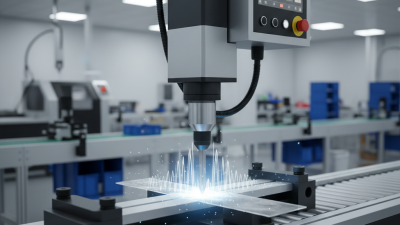
In the rapidly evolving world of manufacturing, the Green Ultrasonic Welder stands out. This innovative technology promotes eco-friendly practices while enhancing production efficiency. Renowned industry expert Dr. Sarah Lin states, "The Green Ultrasonic Welder not only reduces waste but also improves the quality of welded products."
This powerful tool merges sustainability with advanced technology. It utilizes ultrasonic waves to create strong bonds without harmful emissions. The benefits are clear; manufacturers can meet environmental regulations while delivering high-quality results. However, challenges remain. Many companies may struggle to transition from traditional methods to this greener approach.
As we explore the features and benefits of the 2026 Best Green Ultrasonic Welder, we must acknowledge ongoing improvements. There may be issues in terms of initial costs and training needs. The industry continues to adapt, highlighting both the promise and the hurdles in adopting this green technology.
Key Features of the 2026 Best Green Ultrasonic Welder
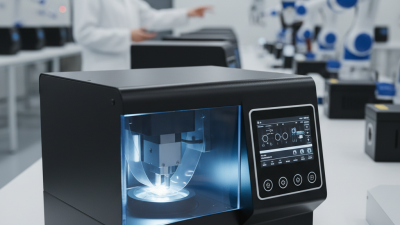
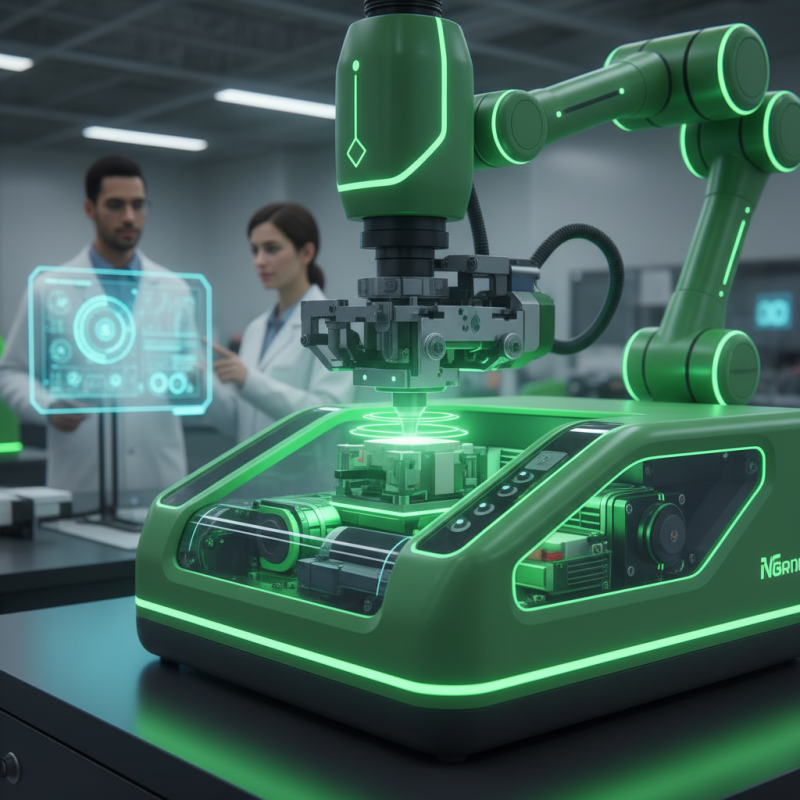
The 2026 Best Green Ultrasonic Welder comes with notable features. Its energy efficiency stands out. This welder reduces power consumption while maintaining high performance. Eco-friendly operations help meet sustainability goals. Manufacturers can minimize their environmental footprint.
Another key feature is its versatile applications. The welder can bond various materials, making it suitable for diverse industries. From textiles to plastics, it adapts well. The user-friendly interface simplifies operation, attracting both seasoned and novice users.
However, challenges remain. Some users may find the initial investment high. Training for proper use might also be necessary. Ensuring quality results can require practice. Overall, while the benefits are clear, a careful approach is essential.
Environmental Benefits of Using Green Ultrasonic Welders
Green ultrasonic welders offer numerous environmental advantages.
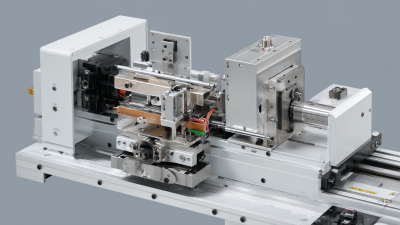
These machines utilize sound waves for joining materials, which reduces energy consumption significantly.
Traditional welding methods often generate excessive heat and waste. In contrast, ultrasonic welding creates precise bonds with minimal energy use.
This efficiency leads to lower carbon footprints.
Additionally, ultrasonic welding produces less waste than conventional techniques.
There is no need for adhesives or fillers, which often end up in landfills.
This reduction is crucial in today's world, where waste management is a significant issue.
However, the transition to ultrasonic technology can be challenging.
Many users may struggle to adapt to new processes.
Another key benefit is the reduction of harmful emissions.
Traditional welding can release fumes and gases that are harmful to the environment.
Green ultrasonic welders operate cleanly, contributing to healthier workspaces.
Users need to understand these advantages before making the switch.
There’s often a learning curve involved, but the long-term benefits are worth considering.
Comparative Analysis: Green vs. Traditional Ultrasonic Welders
When comparing green ultrasonic welders to traditional models, several key differences emerge. Green ultrasonic welders often utilize advanced technologies that reduce energy consumption by up to 30%. This efficiency not only lowers operational costs but also lessens the environmental impact. They also generate less heat, minimizing material distortion during the welding process.
On the other hand, traditional ultrasonic welders tend to be less energy-efficient. They typically operate at higher power levels, leading to increased energy usage. Reports indicate that traditional models can consume up to 50% more energy compared to their green counterparts. Users may notice longer cycle times, resulting in decreased productivity. However, some may argue that traditional models can be more straightforward to operate and maintain. They have been the industry standard for years, providing reliable results.
It's crucial to weigh these factors. While green ultrasonic welders offer better energy efficiency and environmental benefits, they may not yet match the consistency some industries require. There is still room for improvement in green technologies. Both options have their pros and cons. In industries where speed is critical, traditional welders may have an edge. Balancing efficiency with performance remains a challenge.
Applications of 2026 Best Green Ultrasonic Welder in Various Industries
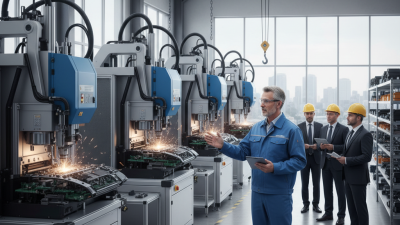
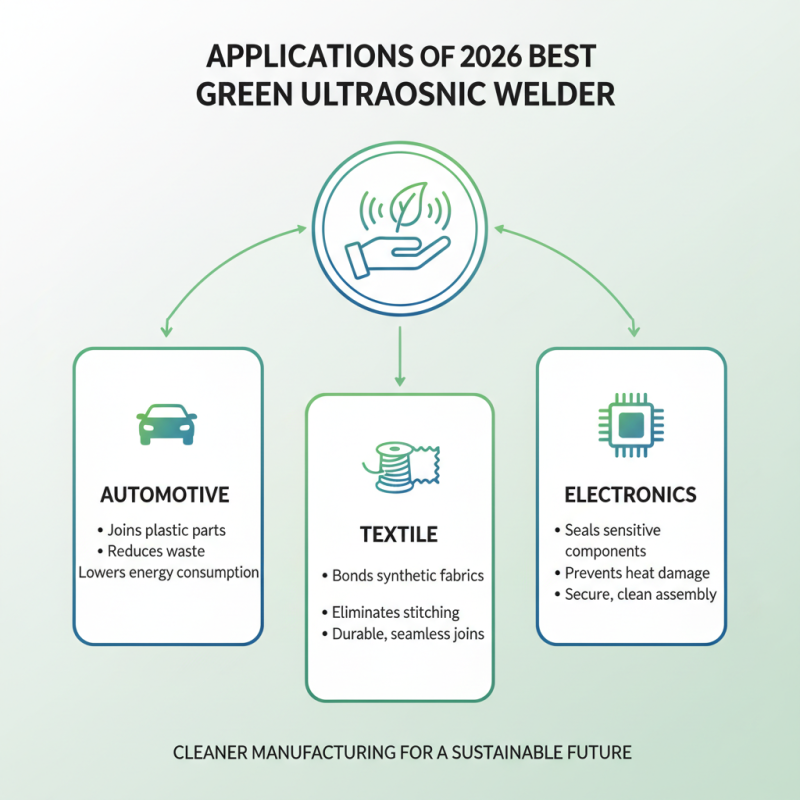
The 2026 Best Green Ultrasonic Welder stands out in many industries. Its versatility makes it useful for applications in automotive, textile, and electronics manufacturing. In automotive production, it efficiently joins plastic parts. This process reduces waste and energy consumption. It also promotes a cleaner environment.
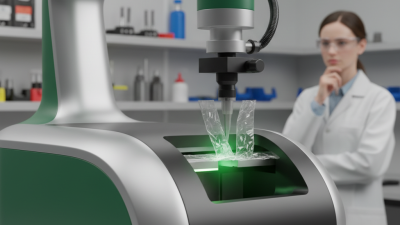
In textile manufacturing, the welder creates durable seams without stitching. Using heat and vibration, it bonds materials effectively. This approach allows brands to design innovative products. However, there are challenges. Some fabrics may react unpredictably to ultrasonic waves. Testing is crucial before large-scale implementation.
Electronics also benefit from this technology. The welder can seal components with precision. It ensures strong connections in devices. Yet, improper settings can lead to damage. Adjustments and careful calibration are necessary for success. Overall, the 2026 Best Green Ultrasonic Welder shows promise across various sectors. Its impact is significant, but there is room for improvement.
User Considerations: Choosing the Right Green Ultrasonic Welder
Choosing the right green ultrasonic welder involves several key factors. First, assess your specific application. Will you be joining plastic, fabric, or another material? Different application needs require different features. You might want a model that generates high-frequency vibrations for precision. The material thickness is also crucial. Thicker materials need more power.
Consider energy efficiency as well. A green ultrasonic welder should minimize waste and lower operational costs. Look for options that provide adjustable power settings. This ensures you can optimize power for various tasks. User-friendly interfaces enhance your ability to make adjustments quickly. Sometimes, complex settings can lead to mistakes.
Don’t overlook the maintenance aspect. Some models might require more upkeep than others. Regular maintenance is vital for efficiency. Yet, the costs associated with maintenance can add up. Reflect on that before making a choice. Check if support for troubleshooting is readily available. Accessibility to parts and service is often a hidden consideration. Balancing these factors can greatly impact your workflow and productivity.