2026 Top Ultrasonic Welder Machine Trends for Global Buyers?
The landscape of manufacturing continues to evolve, and the Ultrasonic Welder Machine stands at the forefront of this transformation. In 2026, global buyers face new trends that can enhance efficiency and product quality. Ultrasonic welding technology is becoming increasingly efficient, offering precise joining capabilities without the need for adhesives or additional materials. This innovation appeals to manufacturers seeking sustainable solutions.
As the demand for portable and versatile ultrasonic welder machines grows, companies must remain informed about emerging features. Smart technology integration, such as IoT capabilities, will likely shape buyer preferences. This evolution aims to streamline operations and reduce costs while maintaining high standards of performance.
However, with this rapid advancement, buyers must consider their unique needs. Choosing the right ultrasonic welder machine requires understanding specific applications and materials. Some machines may promise efficiency but fail in complex environments. A thoughtful evaluation can ensure the best choice for each application, preventing potential setbacks. The future of ultrasonic welding is bright, but awareness and adaptation are key to harnessing its full potential.
Emerging Technologies in Ultrasonic Welding for 2026
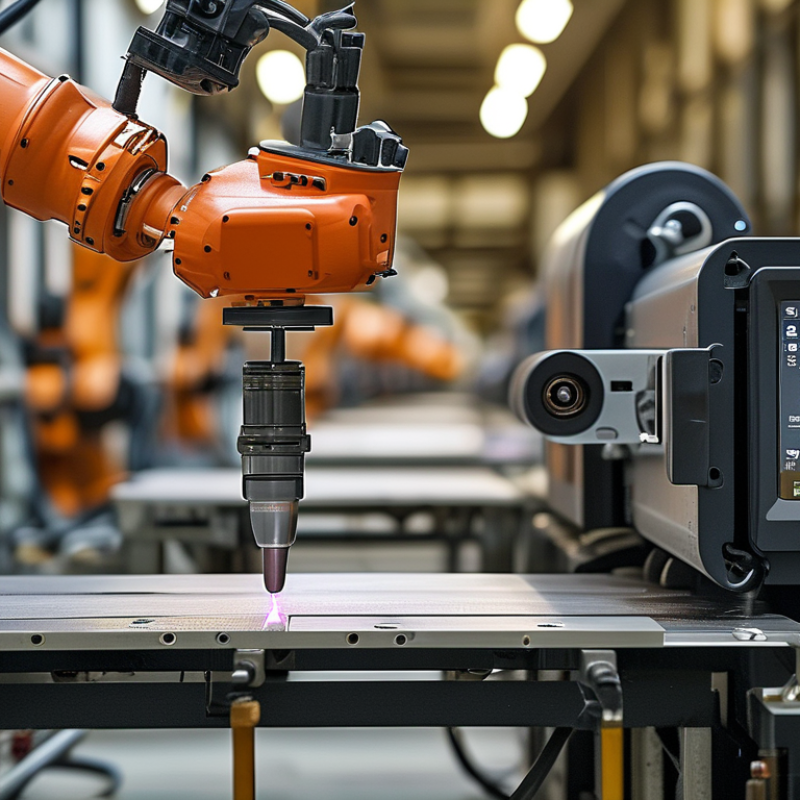
Emerging technologies in ultrasonic welding are set to transform the industry by 2026. The global ultrasonic welding market is projected to grow significantly, with a report from Research and Markets estimating a CAGR of 6.3% from 2021 to 2026. This growth is largely driven by advancements in automation and the push for more efficient manufacturing processes.
One notable trend is the integration of artificial intelligence in ultrasonic welding machines. These machines can now optimize welding parameters in real-time, improving accuracy and reducing defects. AI-enabled systems are projected to cut production costs by up to 15%, as highlighted in a recent study by Grand View Research. This technology promotes the adaptability of welders, accommodating various materials and thicknesses seamlessly.
Tips: Keep an eye on energy-efficient ultrasonic welders. They are becoming increasingly important as sustainability concerns grow. Investing in these machines can yield long-term cost savings.
Another area of development is modular ultrasonic systems. These allow for customization based on specific production needs, making them highly versatile. While this technology presents exciting prospects, manufacturers must consider training for personnel. Lack of expertise could hinder the benefits these advanced machines provide, as noted by industry analysts.
In conclusion, the landscape of ultrasonic welding is evolving rapidly. Embracing these innovations can be crucial for businesses aiming to stay competitive in an ever-changing market.
Key Features and Specifications Buyers Should Look For
When buying an ultrasonic welder, it’s crucial to understand key features and specifications. One essential factor is frequency range. Typically, machines operate between 20 kHz and 40 kHz. A higher frequency can lead to finer welds, while lower frequencies deliver more robust bonding. Buyers need to assess which range suits their specific material requirements.
Another important specification is power output. This factor directly impacts welding speed and strength. A welder with adjustable power settings provides flexibility, allowing users to tailor performance to different projects. Consider materials' thickness and composition when evaluating power options.
The machine’s welding time and cycle rate also warrant attention. Ideally, you want a model that ensures consistent performance, balancing speed and precision. However, it's important to acknowledge that faster welding times may compromise joint integrity. This trade-off must be evaluated based on your production goals and quality requirements. Balancing these features can be challenging, yet it’s vital for making informed purchasing decisions.
Market Trends Impacting Ultrasonic Welder Demand Globally
The ultrasonic welder market is evolving rapidly. Increased demand for lightweight materials in automotive and consumer electronics drives this change. Companies are looking for efficient and durable joining solutions. Ultrasonic welders provide benefits like speed and precision. They reduce waste and improve productivity. This direct impact on efficiency leads to a stronger market position for manufacturers.
Sustainability is another key trend impacting demand. Manufacturers are focusing on eco-friendly materials and processes. Ultrasonic welding aligns with these goals. It enables bonding without harmful adhesives. As industries integrate sustainability, the appeal of ultrasonic welders grows. Another factor is the rise of automation. Automated ultrasonic welding systems enhance consistency and quality. Businesses seek technology that offers competitive advantages. However, the initial investment can be daunting. Many companies juggle overall cost versus potential savings.
The global market landscape is not without challenges. Companies face varying regulations and standards. Navigating these can complicate international operations. Not all markets have the same readiness for new technology. Adaptation is crucial. While the outlook for ultrasonic welders is promising, companies must remain vigilant. They need to assess market needs continually. Understanding these dynamics ensures better positioning and informed decision-making.
Sustainability Practices in Ultrasonic Welding Manufacturing
The ultrasonic welding manufacturing sector faces evolving sustainability practices. This trend emphasizes minimizing waste and energy consumption. Businesses are now seeking methods to enhance efficiency and reduce their carbon footprints. Innovative technologies play a crucial role in this transformation. They not only improve production but also support eco-friendly goals.
Investing in renewable energy sources is becoming essential. Factories are exploring solar and wind energy to power operations. Such initiatives can lead to substantial long-term savings. Many shops still rely on traditional energy sources. This reliance may not meet future sustainability goals.
Water usage is another critical area. Businesses must manage their water consumption effectively. Implementing closed-loop systems is one way to reduce waste. However, some manufacturers struggle to adopt these systems. They face challenges like costs and resistance to change. The path to a sustainable future demands commitment and continual evaluation.
Comparative Analysis of Leading Ultrasonic Welder Brands
The ultrasonic welder market is evolving rapidly. Buyers are now focusing on efficiency and reliability. The leading brands are innovating with new technologies. This is critical for any manufacturing process.
Many brands promote unique features like energy efficiency and precision. However, some may fall short on performance. Reliability should be a key consideration. It's essential to evaluate user reviews to avoid potential pitfalls among the options. Look for brands with a solid track record and customer satisfaction ratings.
When choosing a welder, consider the technical support offered. Some brands excel in customer service while others lag behind. Getting timely assistance can save time and money. Reflect on what features truly matter for your specific applications. Not every fancy gadget translates to better performance. Analyzing real user feedback is crucial for making informed choices.