2026 Best Ultrasonic Soldering and Welding Solutions Available?
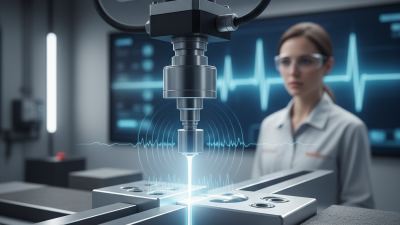
In 2026, the landscape of Ultrasonic Soldering and Welding solutions is evolving rapidly. As industries push for higher efficiency and precision, the demand for advanced techniques increases. Ultrasonic soldering and welding present a unique combination of speed and reliability. These methods use high-frequency vibrations to join materials without additional heat, making them suitable for delicate components.
Many manufacturers are exploring these technologies. Some have successfully integrated ultrasonic solutions into existing workflows. However, not all solutions meet the necessary quality standards. Professionals must carefully evaluate each option. There are numerous products on the market, showcasing both innovation and potential pitfalls. Some may lack durability or efficiency.
As industry experts assess these new solutions, they emphasize the importance of thorough testing. Selecting the right ultrasonic soldering and welding equipment requires expertise. Understanding how different units perform can save time and resources. Balancing reliability and cost is also critical. High performance may come at a premium, but investing in quality can lead to long-term success.
Overview of Ultrasonic Soldering and Welding Technology
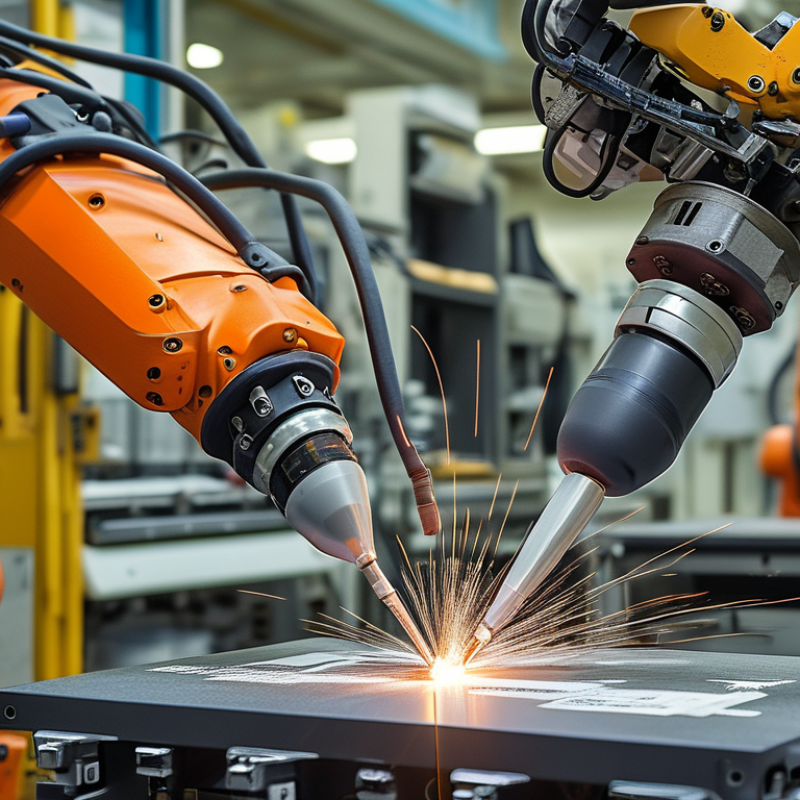
Ultrasonic soldering and welding technology has gained traction in various industries. This technique uses high-frequency ultrasonic vibrations to create heat at the interface of two materials. The result is a strong bond without the need for additional flux or adhesives. According to a recent market report, the ultrasonic welding industry is expected to grow by 6.5% annually, reaching a total market size of $3 billion by 2026.
The efficiency of ultrasonic soldering is evident in its ability to join dissimilar materials. This capability is particularly relevant in the electronics sector, where components require precise, reliable connections. It reduces the risk of thermal damage compared to traditional methods. However, it is not perfect. Variability in material properties and inconsistent machine settings can lead to weak joints or failures in performance.
Additionally, the technology requires skilled operators to adjust settings based on the materials being used. Some companies report challenges in integrating ultrasonic systems with older manufacturing lines, which can hinder productivity. Despite these hurdles, the push for cleaner and faster production processes makes ultrasonic technology an appealing option for future developments in manufacturing.
Key Advantages of Ultrasonic Soldering and Welding Solutions
Ultrasonic soldering and welding solutions are gaining traction in various industries. Their unique approach uses high-frequency sound waves to create heat. This method provides significant advantages that traditional soldering cannot match. According to a recent industry report, ultrasonics can enhance productivity by up to 50%. This efficiency is particularly advantageous in high-volume production settings.
One key advantage is the minimal thermal impact on components. Standard soldering can cause damage due to excessive heat. Ultrasonic techniques limit heat exposure, thus preserving sensitive electronic parts. A study from the International Journal of Advanced Manufacturing Technology highlighted a 30% lower risk of damage in ultrasonic processes compared to conventional methods. This reliability is essential for manufacturers aiming for high-quality products.
Another notable benefit is the reduction of soldering materials. Ultrasonic soldering often requires less filler metal, leading to cost savings and reduced waste. The same industry report revealed that companies could save up to 20% on materials. However, transitioning to ultrasonic solutions does demand careful consideration of the equipment and training needed. Familiarizing operators with the technology is crucial for achieving optimal results and avoiding initial setbacks in production.
Top Brands and Products in Ultrasonic Soldering for 2026
In 2026, ultrasonic soldering continues to gain traction in various industries. The demand for precise, efficient solutions has led to a surge in market growth. According to recent industry reports, the ultrasonic soldering systems market is projected to reach over $1.5 billion by 2026, showcasing a compound annual growth rate (CAGR) of 6.7%. This growth indicates a strong reliance on advanced technologies to enhance production quality.
Top brands in the ultrasonic soldering landscape are focusing on enhancing accuracy and durability. Many products now integrate state-of-the-art transducer designs, enabling better energy transfer and less thermal damage. This is crucial for sensitive electronic components. Users report that with these advancements, production rates can increase by nearly 30%. However, ongoing challenges exist. Not all ultrasonic systems effectively minimize stress on delicate materials. Companies must invest in training to avoid costly errors.
Feedback from professionals highlights the need for continuous monitoring of system performance. Proper maintenance is essential to ensure optimal functionality. Many users find that initial setup can be daunting, leading to underutilization of equipment. A proactive approach in understanding equipment needs can bridge this gap. Continuous innovation in ultrasonic soldering hints at a promising future, but careful evaluation remains vital.
2026 Best Ultrasonic Soldering and Welding Solutions Available
| Model |
Power (W) |
Frequency (kHz) |
Weight (kg) |
Price ($) |
| Model A |
150 |
28 |
3.5 |
2500 |
| Model B |
200 |
40 |
4.0 |
3200 |
| Model C |
120 |
30 |
3.0 |
2200 |
| Model D |
180 |
35 |
3.8 |
2900 |
| Model E |
160 |
45 |
4.2 |
3100 |
Innovative Applications of Ultrasonic Welding in Various Industries
Ultrasonic welding has found its way into various industries, showcasing innovative applications that improve efficiency. In the automotive sector, ultrasonic welding is used to bond lightweight materials, reducing vehicle weight and enhancing fuel efficiency. This method creates strong joints quickly, allowing for seamless production lines. However, users must consider the right parameters to avoid overheating delicate materials.
In the medical field, ultrasonic welding plays a crucial role in device assembly. Manufacturers use this technology to join plastics in disposable medical instruments. This ensures sterility and precision. Yet, the challenge lies in calibrating the ultrasonic equipment to maintain quality without compromising structural integrity. Attention to detail is paramount.
Tips: Always conduct a test run before full-scale production. This helps identify any potential issues early on. Regular maintenance of ultrasonic equipment is essential to uphold performance. Be cautious of the materials you are bonding, as not all plastics respond well to ultrasonic welding. Consider these factors for optimal results.
Future Trends and Developments in Ultrasonic Soldering Technologies
In recent years, ultrasonic soldering technologies have shown significant advancements. These innovations focus on improving efficiency and precision in manufacturing processes. Ultrasonic waves create vibrations that enhance the soldering process. This method offers distinct advantages over traditional soldering techniques, particularly in microelectronics.
As industries move toward automation, ultrasonic soldering will evolve. Automation reduces human error and increases consistency. However, its integration requires skilled professionals who understand the technology. Training and education will be essential for operators in this rapidly changing landscape. Companies must invest in workforce development to reap the benefits of these advanced technologies.
Sustainability is another key consideration for the future of ultrasonic soldering. The pressure for eco-friendly practices is growing in manufacturing. Ultrasonic soldering minimizes waste due to its precision. However, companies will face challenges in balancing efficiency and sustainability. Ongoing research into biodegradable materials and energy-efficient processes is vital. The path ahead is exciting but requires careful navigation to address these emerging challenges.
2026 Ultrasonic Soldering Technologies Trends