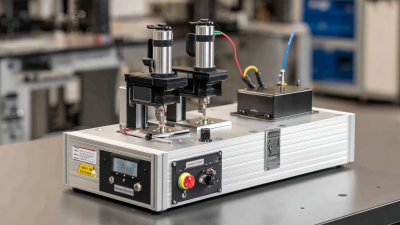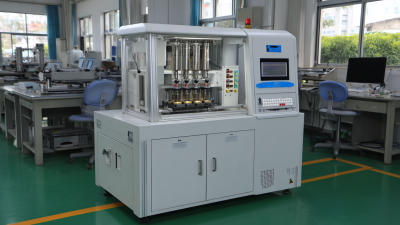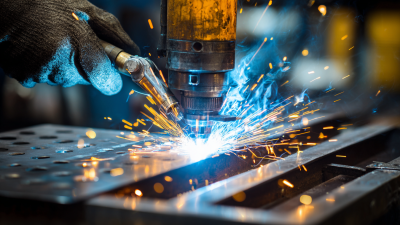
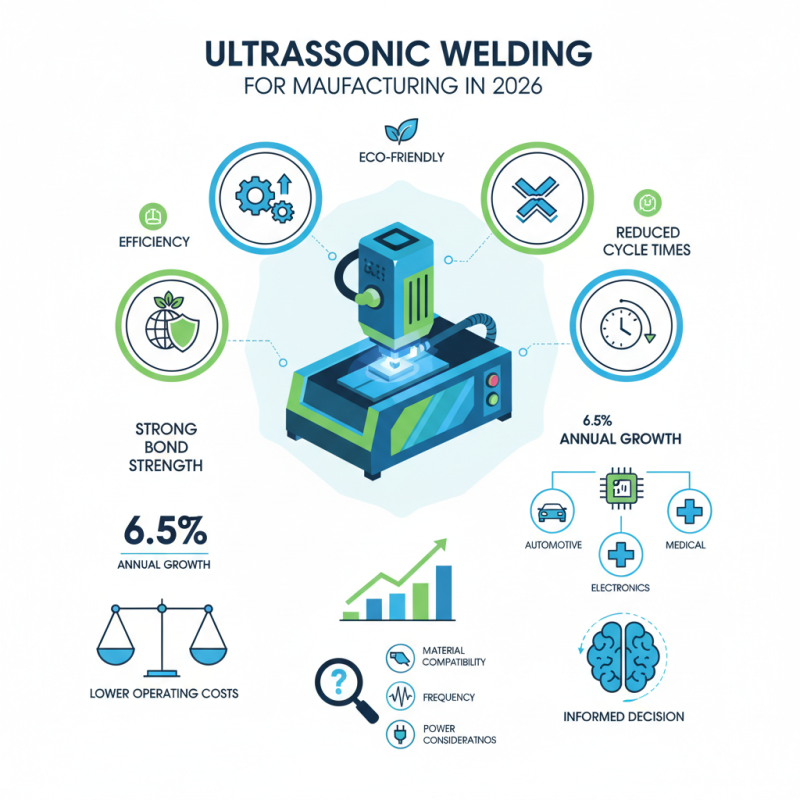
In the fast-evolving landscape of manufacturing, effective joining technologies are crucial. The demand for robust solutions has surged. The ultrasonic welder for sale offers a precise method for assembling various materials. Recent industry reports highlight a consistent growth rate of 6.5% annually in ultrasonic welding applications. This growth is largely driven by its efficiency and eco-friendly attributes.
Many manufacturers are turning to ultrasonic welders for various applications, from automotive to electronics. The 2026 best models stand out for their reliability and innovative features. They reduce cycle times significantly while maintaining strong bond strength. Users often report improved production rates and lower operating costs. However, selecting the right model can be challenging.
Potential users should be mindful of specific needs and applications before purchasing. Not all ultrasonic welders are created equal, and factors like frequency and power must match your projects. Even the most popular models can have limitations. Real-world feedback highlights occasional issues with material compatibility. Thus, thorough research is essential for making informed decisions. The right ultrasonic welder for sale can enhance productivity and quality in your operations.
Ultrasonic welding is a critical technology in various industries. It uses high-frequency ultrasonic vibrations to bond materials together without requiring additional adhesives. This process is particularly beneficial for plastic parts, textiles, and metal components. According to a report from Research and Markets, the ultrasonic welding market is expected to grow significantly, reaching approximately $5.54 billion by 2025. This growth highlights its increasing importance in manufacturing.
The efficiency of ultrasonic welding lies in its precision. It produces strong and reliable welds quickly, reducing production time. The technology has found applications in automotive, medical device manufacturing, and electronics. For instance, in the medical field, ultrasonic welding creates secure, sterile seals for single-use products. Despite its advantages, challenges remain. Variability in material properties can affect weld quality. Manufacturers must continually assess material compatibility to ensure optimal results.
Safety is paramount in ultrasonic welding. Operators need training to manage equipment properly. Misuse can lead to poor welds or equipment damage. Regular maintenance is crucial to uphold safety and efficiency standards. Continuous improvement in ultrasonic technology can address these challenges and drive further adoption across industries.
When choosing an ultrasonic welder, several key features matter. Look for power output options. High power can improve welding speed, while adjustable settings allow for better control. It’s essential to match the welder's power with your material types. Thicker materials need more power, while delicate parts may require lower settings.
Next, think about the transducer quality. A good transducer ensures fewer failures and consistent performance. Check for robust construction. Materials like aluminum and special alloys can enhance durability. An ideal model should also have an easy-to-use interface. This promotes better operation, especially for beginners.
Consider maintenance ease too. Regular upkeep is crucial for long-term performance. Models that show wear can impact outcomes. Inspect for a warranty or customer support options. This adds a layer of reassurance. The best welder isn't just powerful; it's also dependable and user-friendly.
| Feature | Description | Importance |
|---|---|---|
| Frequency Range | Typically 20-40 kHz, suitable for various applications. | Critical for efficient welding results. |
| Power Output | Adjustable power levels from 100W to 3000W. | Essential for controlling the welding process. |
| Transducer Quality | High-quality transducers ensure consistent performance. | Directly affects the output quality and efficiency. |
| Control System | User-friendly interface with digital controls and displays. | Facilitates precision and ease of use. |
| Cooling System | Efficient cooling to prevent overheating during prolonged use. | Enhances the durability of the welder. |
| Application Versatility | Compatible with various materials like plastics, metals, and textiles. | Increases the range of possible use cases. |
| Safety Features | Includes safety shields and automatic shut-off. | Essential for protecting the user and equipment. |
In 2026, the ultrasonic welding industry sees remarkable advancements. Various models offer unique features catering to diverse needs. When comparing top ultrasonic welders, examining specifications is essential. Each model showcases distinct power outputs, frequencies, and application capabilities. You need to consider what suits your tasks best.
One notable aspect is user training. Many users face challenges when adapting to new machines. This learning curve can affect productivity. It's vital to choose a model that offers comprehensive training resources. Some welders come equipped with intuitive interfaces, simplifying this transition.
Additionally, durability and maintenance play significant roles in selecting a welder. Machines with higher build quality often last longer. Assessing the availability of parts for repairs is equally important. A reliable machine can save costs in the long run, but remember, no model is perfect. Each may have limitations, and understanding them can help you make an informed decision.
This bar chart compares the top ultrasonic welders of 2026 based on their power output (in watts) and frequency (in kHz).
When considering an ultrasonic welder, the benefits of selecting the right model are significant. A top-notch ultrasonic welder provides superior joining power. It ensures that materials bond effectively without compromising their structural integrity. This precision allows manufacturers to produce items with high durability.
One notable advantage of the featured ultrasonic welder is its energy efficiency. It utilizes less energy while maintaining effective welding performance. However, some users may initially find the setup complex. Taking the time to understand the user manual greatly aids in mastering the device.
Moreover, the ultrasonic welder enhances productivity. It enables quicker production cycles. This model can handle various materials, which is quite versatile. Yet, it is essential to regularly clean and maintain the welder. Neglecting this can lead to performance issues over time. Users might also experience trial and error in selecting parameters for different applications. But, this allows for refined techniques and improved outcomes.
When selecting the best ultrasonic welder, customer reviews and performance metrics are essential. Many users report high satisfaction from models with robust features and reliable performance. According to a recent industry report, over 75% of professionals notice improved weld quality and reduced cycle times with advanced models. Performance ratings often highlight speed and energy efficiency as top priorities.
Tips for selecting a model include reviewing user testimonials carefully. Look for consistent praise about durability and ease of use. Some models, while praised for their speed, may have a steeper learning curve. Users sometimes mention initial setup challenges that require patience. Still, the performance gains are often worth the effort.
While many models score highly, it’s essential to assess your specific needs. A welder that works well in one application may not perform as effectively in another. Being aware of these nuances can guide your purchase decision. Keep in mind the importance of ongoing support and service, as some users express concerns about parts availability after the sale.