Leave Your Message

What Is the Best Ultrasonic Welder for Wire in 2026?

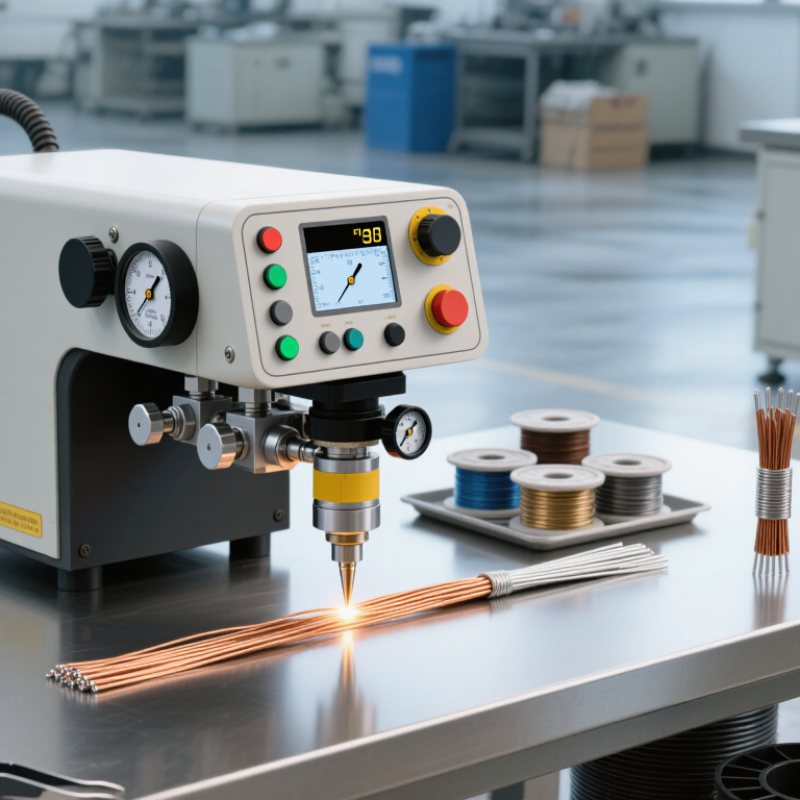
Choosing the best Ultrasonic Welder For Wire in 2026 requires more than comparing machine prices or advertised power. Wire welding performance depends on conductor material, cross-sectional area, insulation type, joint design, and production volume. A model that creates clean copper connections may struggle with aluminum strands or tightly packed harnesses. The right choice must match the real application.

In practical testing, operators should inspect weld appearance, pull strength, electrical resistance, and cycle consistency. A stable machine should produce uniform bonds without excessive flash, broken strands, or overheating near the insulation. Small details matter. Tool alignment matters. Horn pressure matters. Even wire cleanliness can change the result. Experienced technicians often begin with sample welds, then adjust amplitude, pressure, and weld time gradually.

Not every impressive specification reflects factory performance. Some suppliers provide limited data, and published capacity figures may depend on ideal materials. That deserves caution. Buyers should request test reports, sample trials, maintenance guidance, and technical support before committing to an Ultrasonic Welder For Wire. Certification records and documented quality controls also strengthen confidence. Still, no single machine fits every workshop. Production goals may change, and a machine selected today could require different tooling later. This guide examines key specifications, practical limitations, operating costs, and supplier reliability to help readers make a more informed decision in 2026. The final recommendation should come from verified results, not marketing language alone.
What Is the Best Ultrasonic Welder for Wire in 2026?

Ultrasonic Welding Requirements for Different Wire Types

What Is the Best Ultrasonic Welder for Wire in 2026?

Ultrasonic Welding Requirements for Different Wire Types

The best ultrasonic welder depends on wire material, diameter, strand count, and coating. Copper wire usually needs stable pressure and controlled vibration. Excessive energy can flatten strands or create surface cracks. Fine stranded wire requires a precisely shaped anvil. Its grooves must hold strands without cutting them.

Aluminum behaves differently. It oxidizes quickly, so the welding system must deliver consistent surface disruption. Force, amplitude, and weld time need close adjustment. Plated or tinned wire adds another variable. The coating may melt unevenly or contaminate the weld face. Regular inspection of the horn and anvil remains essential. Small defects can change pull strength.

Coated magnet wire needs insulation removal before welding. This step must avoid burning nearby insulation. I have seen acceptable-looking joints fail after repeated flexing. That is why pull tests and cross-section checks matter. Control matters most. A welder with energy monitoring, programmable force, and repeatable positioning offers better process evidence. However, no preset replaces testing with the actual wire batch. Material hardness, humidity, and strand lay can alter results. Testing reveals the difference. A practical trial should record weld height, width, electrical resistance, and failure mode. When wire sizes change often, quick tooling changes and clear setup records also reduce operator mistakes.
Key Performance Criteria for Choosing a Wire Ultrasonic Welder

What Is the Best Ultrasonic Welder for Wire in 2026?

Key Performance Criteria for Choosing a Wire Ultrasonic Welder

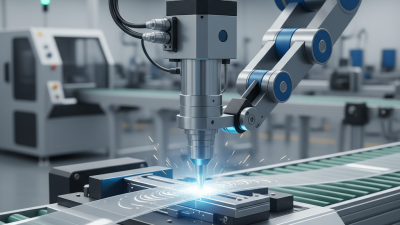
The best wire ultrasonic welder in 2026 depends on wire material, diameter, and production volume. Copper, aluminum, and coated conductors respond differently during bonding. A reliable machine should provide adjustable vibration amplitude, controlled welding force, and accurate energy monitoring. These settings help create consistent bonds without excessive deformation or heat.

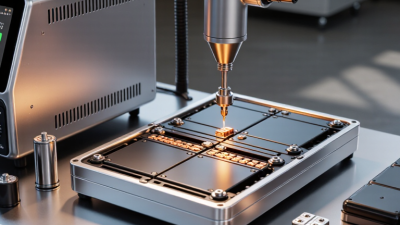
Tooling quality matters greatly. The horn and anvil must match the wire size and joint design. Poor alignment can leave marks, weak areas, or uneven compression. Look for systems that support quick tooling changes and stable clamping.

In practical trials, measure pull strength, electrical resistance, and weld appearance. A smooth surface alone does not prove a strong connection. Some operators still rely too much on visual inspection.

Consistency is critical.

Tips:

Test real production samples before purchasing. Compare several wire sizes, cycle times, and joint patterns. Record force, energy, and pull-test results. Leave room for adjustment, because laboratory settings may fail on a busy production line. Check data logging, alarm functions, and operator controls. Maintenance access also matters when metal dust collects around the tooling. One overlooked detail is noise and vibration around the workstation; both can affect comfort and long-term accuracy. A short trial often reveals more than a polished demonstration.

Comparison of Ultrasonic Welder Designs and Operating Methods

What Is the Best Ultrasonic Welder for Wire in 2026?

The best ultrasonic welder depends on wire size, alloy, joint geometry, and production rhythm. A press-type design suits short, repeatable wire splices. It applies vertical force through a sonotrode and anvil. A rotary design supports continuous strip or cable processing. It moves material through a controlled welding path. Torsional systems can reduce surface marking on delicate conductors. However, their tooling demands careful alignment.

Operating methods matter more than attractive specifications. Time-based welding is simple, but it may ignore changing wire hardness. Energy control reacts better to material variation. Collapse-distance control adds another useful quality signal. The International Energy Agency reported more than 17 million electric cars sold globally in 2024. That growth increases demand for reliable copper and aluminum interconnections. A 2024 Grand View Research analysis also describes ultrasonic welding as a growing process in automotive and electronics manufacturing. These figures indicate demand, not guaranteed weld quality.

Tips: Match amplitude to wire cross-section, not only material type. Use force mapping during setup. Record weld energy, time, and collapse distance for every trial. Inspect cross-sections regularly. A pull test alone can miss hidden interface damage. I would not trust one successful sample. Tool wear, oxide layers, and small wire-position errors can change results quickly. Leave a process window, even when production pressure feels uncomfortable.

Recommended Welder Features for Common Wire Applications

What Is the Best Ultrasonic Welder for Wire in 2026?

For common wire applications, the best ultrasonic welder is not simply the fastest machine. It should control amplitude, welding force, energy, and time independently. These controls help produce stable joints across copper, aluminum, stranded wire, and mixed cross-sections. The IPC/WHMA-A-620 standard emphasizes repeatable workmanship, pull testing, insulation clearance, and visible joint quality. A practical system should support these checks without slowing production.

Demand for reliable wire joining is rising. The International Energy Agency reported nearly 14 million electric cars sold worldwide in 2023, increasing pressure on high-volume cable and harness production. Industry reports also forecast steady growth in the global wire harness market through 2028. For this reason, choose a welder with quick-change tooling, recipe storage, overload protection, and real-time process monitoring. Data logging matters. It can reveal declining tool pressure before rejected joints become expensive.

Operator experience still matters more than specifications suggest. A 20 kHz system may suit larger wire bundles, while higher frequencies can support smaller conductors and finer control. The correct choice depends on material, cross-section, insulation, and production speed. Do not trust one impressive sample weld. Test several wire sizes, inspect the fracture, and repeat the cycle after tooling wear. I still allow extra validation time, because initial settings are often too optimistic. Small variations in strand alignment can change the result. That is easy to overlook.

What Is the Best Ultrasonic Welder for Wire in 2026? - Recommended Welder Features for Common Wire Applications

Wire application Typical materials and joint Recommended welder features Useful process controls Selection considerations
Automotive and industrial wire-harness splices Multiple stranded copper wires compacted and joined into a solid-state splice Purpose-built wire-splicing press, application-matched tooling, adjustable weld force and amplitude, and a generator suited to the required weld size Weld energy or time limits, force monitoring, displacement monitoring, and recorded cycle data Size the tooling to the combined conductor cross-section and strand count. Keep insulation outside the weld zone; ultrasonic metal welding joins clean metal surfaces, not insulation.
Small-gauge signal and sensor wires Fine-stranded copper conductors; compact splices where low conductor damage is important Precision actuator with stable, low-force control; fine adjustment of amplitude; appropriately sized anvil and sonotrode Repeatable clamping, weld displacement limits, and inspection of pull strength and electrical resistance Use tooling designed for the small bundle. Excessive force or energy can cut strands or create inconsistent joints.
High-current battery and power-cable leads Large copper or aluminum stranded conductors, or conductor-to-tab joints when the materials and geometry are qualified High-force, high-capacity system with rigid fixturing, application-specific tooling, and sufficient process capacity for the conductor bundle Force and energy monitoring, displacement measurement, and destructive testing during process validation Material, cross-section, strand construction, and joint geometry determine the required setup. Validate temperature rise, resistance, and mechanical strength for the intended current and service conditions.
Copper-to-aluminum wire joints Dissimilar copper and aluminum conductors or conductor-to-terminal combinations System and tooling qualified specifically for the material pairing, with accurate force control and a stable fixture Recipe control, weld displacement monitoring, and checks for electrical resistance and joint strength Ultrasonic welding can join some dissimilar metals, but success depends on alloy, surface condition, geometry, and process settings. Qualify each joint design rather than assuming a general-purpose recipe will work.
Fine-wire bundles and compact electronics leads Small copper-wire bundles requiring a narrow, repeatable weld footprint Precision-focused welder, small-format tooling, repeatable positioning, and controlled low-energy process capability Displacement or collapse monitoring, recipe storage, and repeatability checks across production lots Check that the machine can accommodate the minimum wire size without damaging individual strands. A smaller tool and carefully controlled setup are often more important than maximum power.
Braids, stranded straps, and flexible conductors Copper braid or fine-strand conductors consolidated into a terminal or flattened joint Wide or shaped tooling matched to the braid, uniform clamping, and adequate force across the full weld area Weld-area consistency checks, force monitoring, and resistance testing Tool face geometry and braid positioning affect current paths and joint uniformity. Confirm that the process does not leave loose strands or damage the conductor beyond the intended weld area.
Prototyping and low-volume production Mixed wire sizes and joint designs developed before production release Flexible, programmable controls; changeable application tooling; clear setup guidance; and traceable process recipes Stored settings, sample tracking, and documented pull-test and resistance-test results Choose a system that supports controlled trials and repeatable changeovers. Final settings should be established through testing on the actual materials and joint geometry.

Practical selection note: There is no single best ultrasonic welder for every wire application. Match the machine, tooling, force range, and process monitoring to the conductor material, bundle size, joint geometry, and production volume. Validate the finished joint using application-appropriate mechanical and electrical tests.

How to Select the Best Ultrasonic Welder for Wire in 2026

What Is the Best Ultrasonic Welder for Wire in 2026?

How to Select the Best Ultrasonic Welder for Wire in 2026

Selecting the best ultrasonic welder for wire starts with the joint, not the machine label. Measure conductor diameter, strand count, insulation type, and required weld width. Copper, aluminum, and plated conductors may need different frequencies, amplitudes, and pressure settings. A narrow weld area can reduce material waste, but it may weaken the joint if energy is poorly distributed.

Match the welder’s power range to your wire size. Excessive power can flatten strands, create marks, or damage nearby insulation. Too little energy may leave hidden gaps between strands. I have found that a stable welding horn often matters more than a higher power rating. Check horn geometry, tool material, replacement access, and alignment accuracy. Small errors become visible as uneven weld surfaces.

Ask for repeatability data, not only sample photographs. Review pull-force results, electrical resistance, cycle time, and temperature after repeated operation. The control system should record key settings and identify abnormal welds. This supports traceability during production checks. Run trials with your actual wire, terminals, and insulation. A perfect laboratory sample can disappoint on a real assembly line.

Consider maintenance and operator training. Dust, worn tooling, and incorrect clamping can change weld quality quickly. Keep spare horns available. That is often overlooked. I would also challenge optimistic production claims; real loading time may reduce the advertised output. Choose a system that remains consistent during long shifts, not merely one that produces an impressive first sample.