2026 Best Ultrasonic Welder Plastic for Global Buyers?
In the evolving landscape of manufacturing, the demand for effective joining techniques is ever-present. Ultrasonic Welder Plastic is at the forefront of this technology. Global buyers seek the best solutions in 2026. This innovative method offers speed and precision. It has become a vital process for various industries, including automotive and electronics.
The effectiveness of ultrasonic welding lies in its ability to join plastics without additional adhesives. This leads to stronger bonds and cleaner work environments. However, not all ultrasonic welders are created equal. Buyers must navigate an array of options. Some may prioritize cost over quality, which can lead to subpar results. Understanding technical specifications is crucial to making informed decisions.
Investing in the right Ultrasonic Welder Plastic requires careful consideration. Potential buyers should evaluate machine durability and service support. Experience in the field can provide insights into the best choices available. Reflecting on past purchases can also inform future decisions. There is always room for improvement in understanding how these tools meet manufacturing needs.
2026 Ultrasonic Welder Plastic: A Comprehensive Guide for Global Buyers
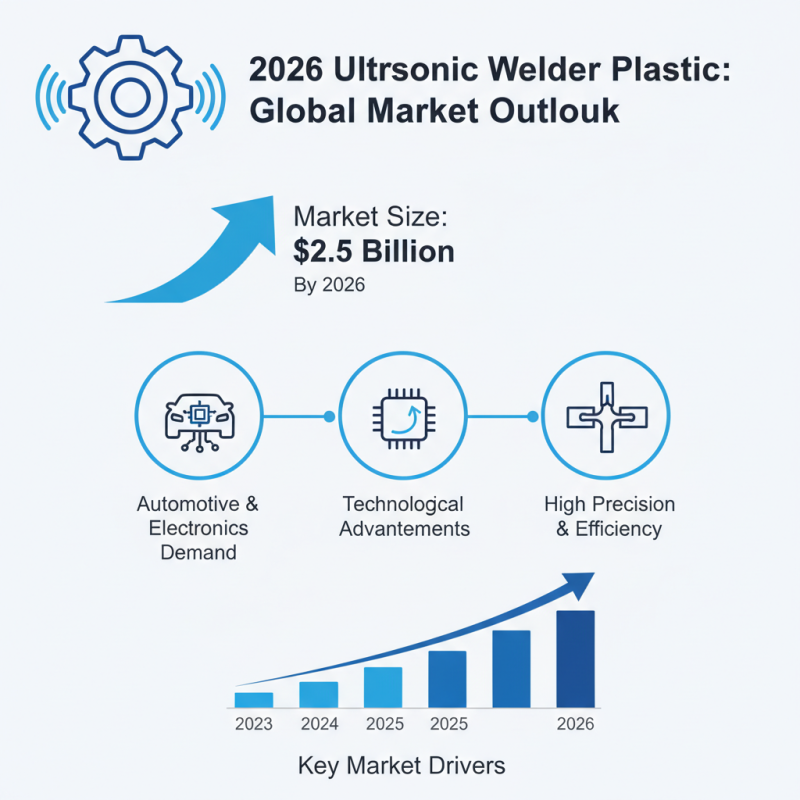
The 2026 Ultrasonic Welder Plastic market is projected to grow significantly. According to recent industry reports, the market size may reach $2.5 billion by 2026. This growth is driven by advancements in technology and increasing demand for lightweight materials in the automotive and electronics sectors. Ultrasonic welding offers high precision and efficiency, making it a preferred choice for many manufacturers.
Tips: Always consider your production needs before purchasing. Analyze your material compatibility, welding speed, and energy consumption. These factors will influence your machine’s performance.
While ultrasonic welders have advantages, they also come with challenges. Operators must understand the intricacies of different plastics. Not all materials respond well to ultrasonic welding. Failure to select the right type can lead to weak joints and inconsistent quality. Companies should invest in training for their staff to mitigate these risks.
Tips: Conduct thorough tests before full-scale production. Regular maintenance of welding equipment is crucial for consistent performance. This may seem tedious but ensures long-term reliability.
Key Factors to Consider When Choosing Ultrasonic Welders for Plastics
When selecting ultrasonic welders for plastics, several key factors demand careful consideration. The frequency of operation plays a crucial role; common frequencies range from 20 kHz to 70 kHz. Higher frequencies allow for finer welds, while lower frequencies can deliver stronger bonds, especially for thicker materials. The choice often depends on the specific plastic types used, as certain materials require unique frequencies for optimal results.
Cooling systems should not be overlooked. Proper thermal management extends the lifespan of the equipment and ensures consistent performance. Integrating advanced cooling systems can reduce downtime and enhance productivity. Reports indicate that inefficient cooling can lead to welding defects, which not only wastes materials but can also increase production costs significantly.
Automation and user interface are also vital. User-friendly interfaces allow operators to adjust parameters easily, which can lead to better quality assurance. A seamless integration into existing production lines is essential for maintaining workflow. However, the complexity of automation can lead to decision fatigue among operators, creating potential errors. Balancing automation features with simplicity is critical for effective operation.
2026 Best Ultrasonic Welder Plastic for Global Buyers
| Model |
Power Output (W) |
Frequency (kHz) |
Weight (kg) |
Price Range (USD) |
Warranty (Years) |
| Model A |
1500 |
20 |
30 |
500 - 700 |
2 |
| Model B |
1800 |
30 |
32 |
700 - 900 |
3 |
| Model C |
2000 |
25 |
35 |
800 - 1000 |
4 |
| Model D |
2500 |
40 |
28 |
900 - 1200 |
5 |
Top Ultrasonic Welder Brands and Models in 2026
Ultrasonic welders are essential in various industries, especially for plastics. In 2026, several brands stand out for their innovation and performance. When considering ultrasonic welding machines, evaluate their reliability and user-friendliness. These features significantly impact productivity and quality.
Tips: Consider maintenance requirements. Some models may demand frequent checks. Regular upkeep ensures optimal performance.
Another vital consideration is the welding frequency of the device. Higher frequencies often yield precise and strong welds, while lower frequencies may be more suitable for thicker materials. Understanding the application is key. Additionally, review user experiences and ratings. This feedback can provide valuable insights into a model's long-term reliability.
Tips: Don’t overlook power options. Versatile machines can handle various projects. It’s wise to prioritize flexibility when selecting a welder. These points can guide your decision-making process and enhance your projects significantly.
Innovative Technologies in Ultrasonic Welding for Plastic Applications
Innovative technologies in ultrasonic welding for plastic applications are transforming the manufacturing landscape. This process utilizes high-frequency ultrasonic vibrations to create strong, reliable bonds in plastic components. It ensures minimal heat generation, preserving the integrity of the materials. The machines are becoming smarter and more efficient, allowing manufacturers to increase production rates without sacrificing quality.
Advancements in software and automation are playing a significant role. Real-time monitoring systems can detect issues instantly, minimizing product defects. Such innovations enhance precision, which is crucial in sectors like automotive and medical devices. However, challenges remain. Some traditional manufacturers hesitate to adopt new technologies, fearing the costs associated with upgrades.
Training is essential for teams to adapt to these innovations. Skilled operators must understand the nuances of ultrasonic welding. Companies may struggle with this transition, as not all staff are familiar with advanced machinery. The path to modernization can be bumpy, but the potential benefits are promising. Global buyers looking for efficient and reliable welding solutions should consider these evolving technologies.
Cost Analysis: Investing in Ultrasonic Welders for Plastic Products in 2026
Investing in ultrasonic welders for plastic products in 2026 presents both opportunities and challenges. As industries continue to evolve, understanding the cost implications is vital for global buyers. The initial investment in quality ultrasonic welding equipment can be significant, but it is essential to consider long-term savings. These machines often reduce waste and improve production efficiency, ultimately lowering operational costs over time.
When opting for an ultrasonic welder, ensure you assess the total cost of ownership. This includes maintenance, energy consumption, and training for personnel. Skilled operators can maximize the machine's effectiveness, but training programs may add to your initial costs. It’s crucial to balance these expenses with productivity gains.
Tips: Always perform a comprehensive cost analysis before making a decision. Think about the specific needs of your production line. Evaluate various models and their capabilities. A thorough understanding of your requirements can prevent costly mistakes and inefficiencies down the road. Seek expert consultation if necessary to ensure that you make informed choices.
2026 Ultrasonic Welder Plastic Cost Analysis
This chart illustrates the average costs of different categories of ultrasonic welders for plastic products in 2026, providing insight into the investment you may consider for your production needs.