What is Blue Ultrasonic Welder and How Does it Work?
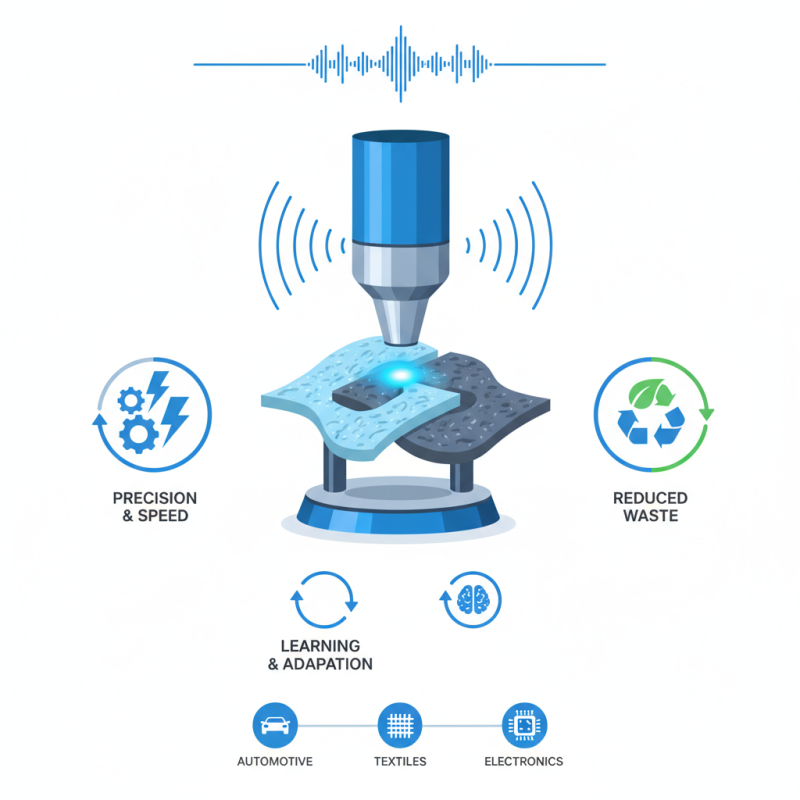
The Blue Ultrasonic Welder is a remarkable tool in modern manufacturing. Dr. Emily Green, an expert in ultrasonic technology, explains, "The efficiency of a Blue Ultrasonic Welder transforms various industries." This tool utilizes high-frequency ultrasonic vibrations to join materials. It's not just about welding; it’s about the precision and speed involved in the process.
The technology behind the Blue Ultrasonic Welder allows for clean and durable joints. Many manufacturers have found that this equipment reduces waste. However, it’s essential to understand that not all materials are suitable for ultrasonic welding.
Some users may encounter challenges in optimization and setup. It takes practice to achieve the best results consistently. The Blue Ultrasonic Welder can help various sectors, from automotive to textiles, but it requires learning and adaptation. This innovation is powerful, yet it also presents a learning curve.
What is a Blue Ultrasonic Welder?
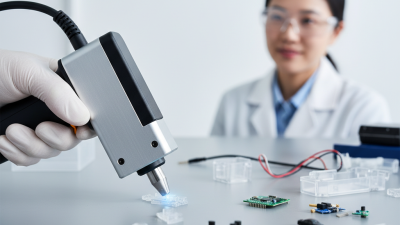
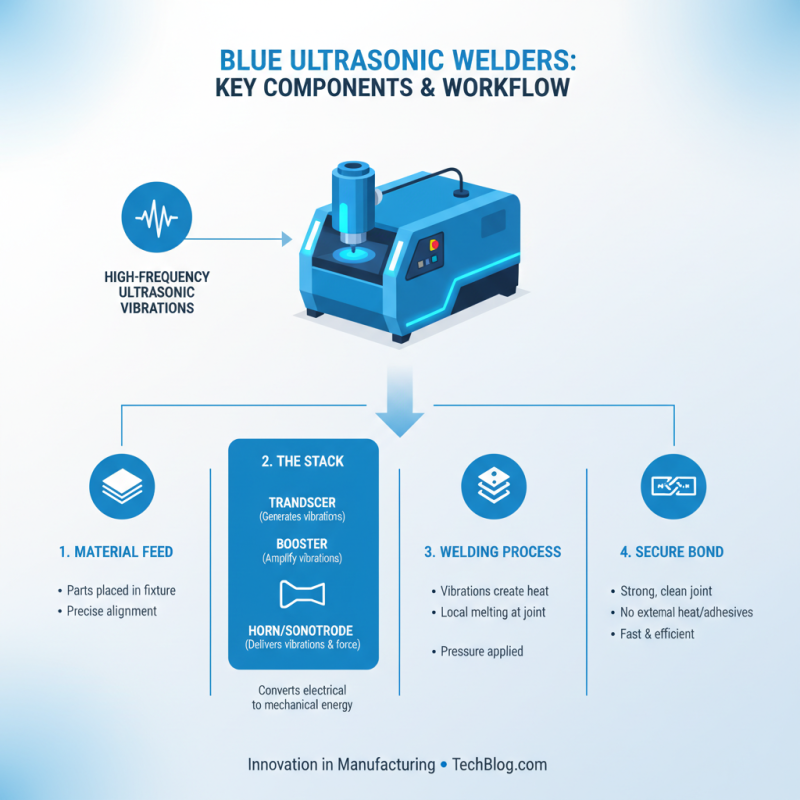
A Blue Ultrasonic Welder is a specialized tool used for joining materials. It employs high-frequency ultrasonic vibrations to create heat. This heat melts the materials, allowing them to bond together. The process is quick and efficient, making it ideal for various applications.
In many manufacturing settings, the Blue Ultrasonic Welder proves invaluable. It is particularly useful for plastics and thin metals. The machine features a generator, converter, and booster. Together, they produce ultrasonic waves, which are crucial for the welding process. Operators must ensure proper alignment to achieve optimal results. Even slight misalignment can lead to ineffective bonds.
Yet, challenges exist. Not all materials respond well to ultrasonic welding. The thickness and composition matter greatly. Some users notice that the welder is not as effective on certain combinations. Experimentation is sometimes required to find the best settings. Learning curves can be frustrating, but they pave the way for superior outcomes. Reflecting on these variables can enhance the overall welding process.
Principles of Ultrasonic Welding Technology
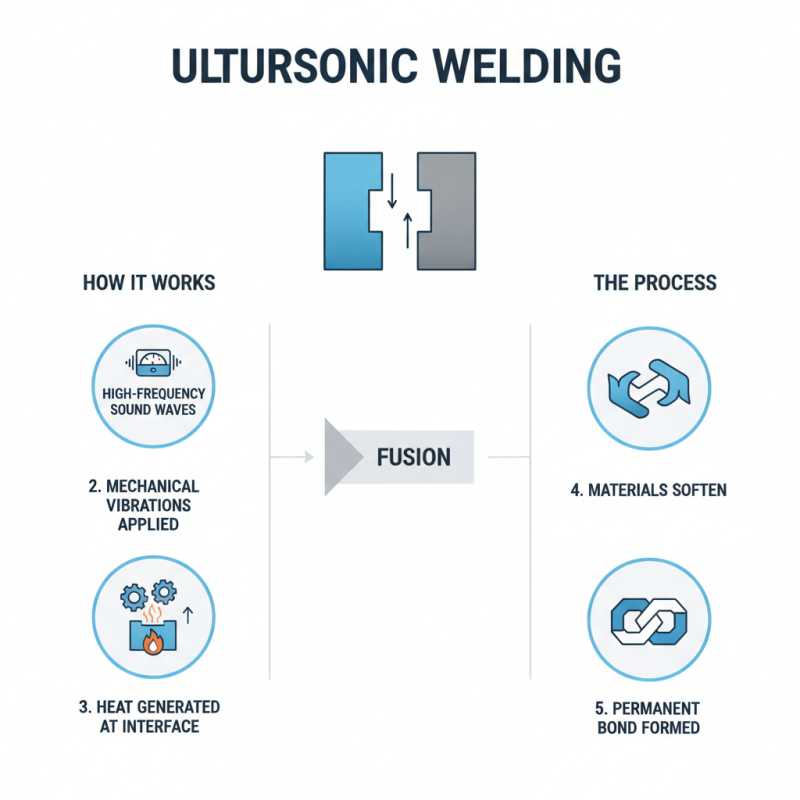
Ultrasonic welding relies on high-frequency sound waves to join materials. It works by applying mechanical vibrations to components. When the vibrations occur, heat is generated at the interface of the materials. This heat causes the materials to soften, allowing them to bond together.
This technology is widely used in various industries. It can effectively weld plastics, metals, and even fabrics. The process is quick and efficient. However, it requires precise control of parameters like pressure and frequency. If not managed well, it can lead to weak joints.
One challenge is ensuring the right material compatibility. Different materials respond differently to ultrasonic vibrations. Some may require adjustments during the welding process. Observing these variations can be difficult, yet it is crucial for achieving strong welds. Reflecting on these aspects can help improve outcomes in ultrasonic welding projects.
The Ultrasonic Welding Process Explained
Ultrasonic welding is a unique process used to join materials. It utilizes high-frequency vibrations to create a strong bond. The Blue Ultrasonic Welder stands out due to its efficiency and precision. The process is not just about heat; it involves sound waves. These waves generate tiny, rapid movements, creating friction at the interface of two materials. This friction produces heat, causing the materials to melt and fuse together.
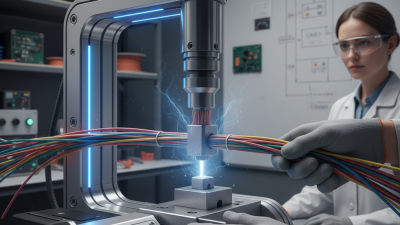
In practice, the ultrasonic welding process is quick and clean. It often requires no adhesives. You see it used in various industries, from automotive to medical devices. Setup can be tricky. Getting the timing and amplitude right is essential for a successful weld. Not all materials bond well under ultrasonic waves, which can lead to issues. It's important to test and refine the process for different applications.
Welding quality can fluctuate. Variations in material or environment can affect results. Regular maintenance of the ultrasonic equipment is crucial. Keeping sensors clean and functioning helps ensure consistent performance. Observing the process closely reveals potential areas for enhancement. Each weld provides insight into the characteristics of the materials used. Adjusting parameters can lead to better outcomes. Ensuring success is often a process of trial and error.
Applications and Benefits of Blue Ultrasonic Welders
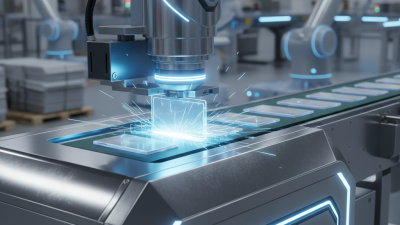
Blue ultrasonic welders are becoming increasingly popular in various industries. They utilize high-frequency sound waves to join materials together. This method provides a strong bond without the need for additional adhesives. A major application is in plastics. Many manufacturers use ultrasonic welding for assembling plastic components, especially in the automotive and electronics sectors.
These welders offer significant benefits. They increase production speed, which is essential in a fast-paced market. Moreover, they reduce material waste, making the process more sustainable. The precision of ultrasonic welding ensures minimal damage to sensitive components. However, training is essential for operators. There are challenges in mastering this technology. Sometimes, the process requires adjustments to achieve optimal results.
In the medical field, these welders bond devices tightly, ensuring reliability. In packaging, ultrasonic welding seals materials securely. Despite their advantages, some industries may hesitate to adopt this technology. Concerns about initial costs and maintenance can be barriers. Nonetheless, the benefits often outweigh these limitations, making blue ultrasonic welders a valuable tool in modern manufacturing.