China Top Ultrasonic Fabric Welder Applications and Benefits Explained?
In the rapidly evolving textile industry, the role of the Ultrasonic Fabric Welder has gained significant attention. According to Dr. Emily Wang, an expert in advanced welding technologies, “Ultrasonic technology is transforming how we approach fabric assembly.” This statement highlights the innovative approach that ultrasonic welding brings to fabric bonding processes.
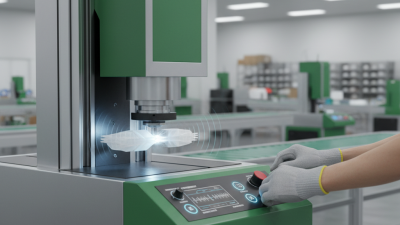
Ultrasonic Fabric Welders utilize high-frequency sound waves to create strong, consistent seams without traditional stitching. This technique reduces material stress, enhances durability, and speeds up production times. Manufacturers are increasingly adopting this technology for its efficiency and precision. However, there can be challenges in adjusting settings for different fabric types, which can lead to suboptimal results if not managed correctly.
The benefits extend beyond production efficiency. Ultrasonic welding is more energy-efficient and minimizes waste compared to conventional methods. It opens doors for creating intricate designs that were previously difficult to achieve. As industries strive for sustainability, the Ultrasonic Fabric Welder stands out. However, continuous innovation and training are crucial to fully leverage its potential.
China's Ultrasonic Fabric Welder Market Overview and Growth Statistics
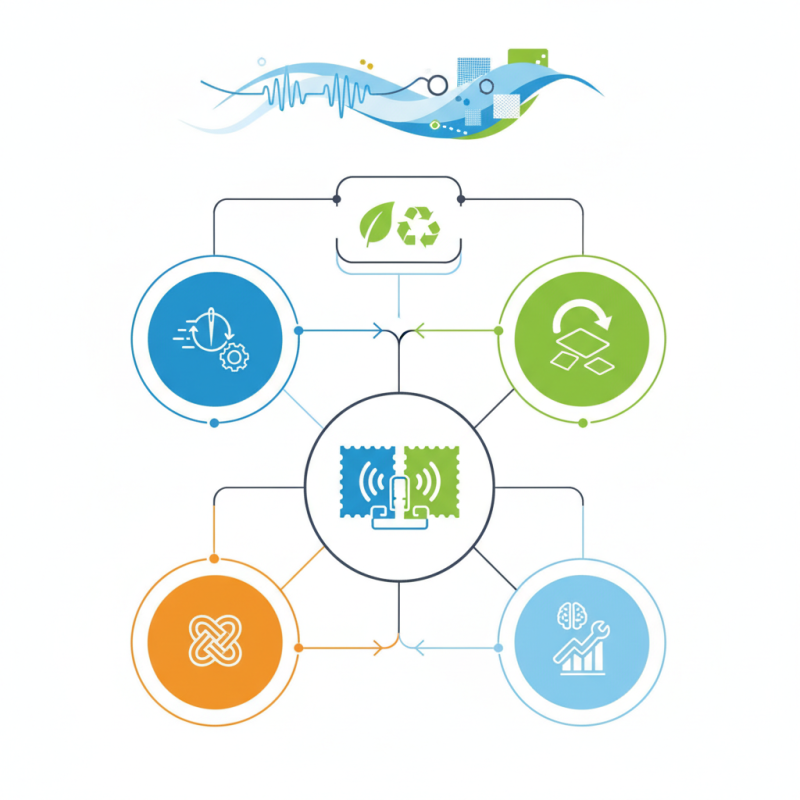
China's ultrasonic fabric welder market is experiencing robust growth. The demand for precision welding in textile manufacturing is driving this expansion. Manufacturers are increasingly adopting ultrasonic technologies for their efficiency. This shift enhances productivity and reduces material waste.
Analysts estimate that the ultrasonic fabric welder market will continue to rise. The push towards automation in China’s textile industry is a significant factor. This technology enables faster production cycles, which appeals to manufacturers looking for a competitive edge. Yet, many still face challenges in adopting these advancements.
Despite the promise of ultrasonic welding, some producers hesitate. Training staff on new technologies can be daunting. Additionally, initial investment costs may deter small businesses. Understanding the long-term benefits is essential for overcoming these hurdles. As the market evolves, addressing these concerns will be key to harnessing ultrasonic welding effectively.
Key Applications of Ultrasonic Fabric Welders in Various Industries
Ultrasonic fabric welders are revolutionizing multiple industries, including automotive and textiles. These machines use high-frequency sound waves to bond fabrics seamlessly. This technology eliminates the need for traditional sewing methods, leading to faster production cycles. Manufacturers appreciate the increased efficiency and reduced labor costs.
In the medical sector, ultrasonic welders play a crucial role. They bond nonwoven materials for masks and gowns, ensuring airtight seals. This is vital for maintaining sterility and safety. Furthermore, industries such as home textiles benefit from the cleaner finishes that ultrasonic welding provides. The absence of stitching improves durability while retaining flexibility.
However, challenges exist. Not all fabric types are suitable for ultrasonic welding. Some synthetic materials may not bond effectively. Companies often need to test various fabrics to find the best match. This trial-and-error process can lead to wasted resources and delays. It's essential to weigh the benefits against these potential setbacks.
Key Applications of Ultrasonic Fabric Welders in Various Industries
The ultrasonic fabric welder is widely used across multiple industries. This chart illustrates the percentage distribution of applications in key sectors.
Benefits of Ultrasonic Welding Technology in Textile Manufacturing
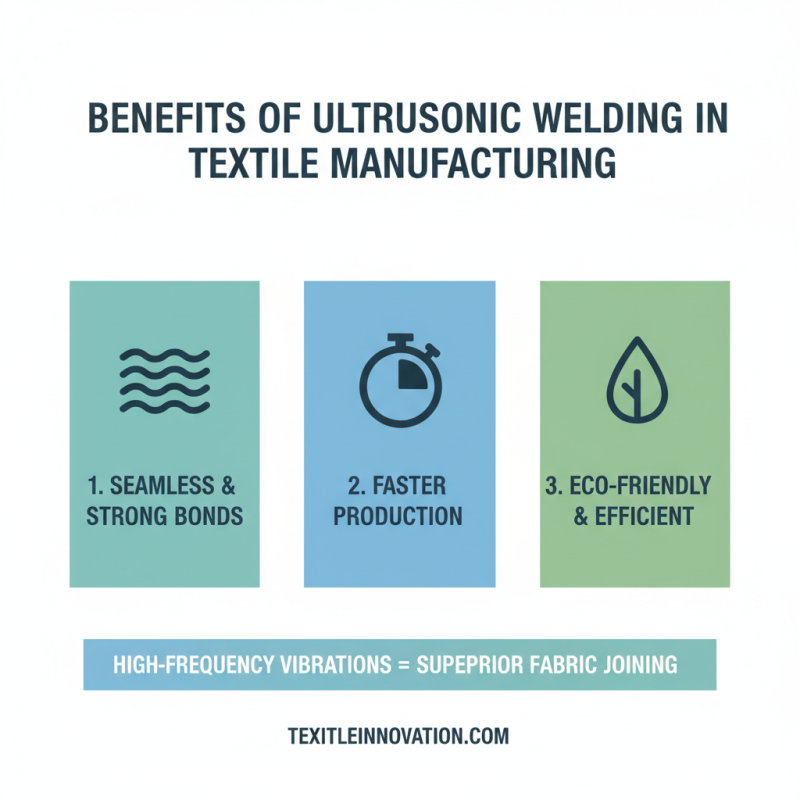
Ultrasonic welding technology is revolutionizing textile manufacturing. This method utilizes high-frequency vibrations to join fabrics seamlessly. The benefits of this technique are numerous, making it a popular choice in the textile industry.
One significant advantage is the speed of ultrasonic welding. It can create strong bonds in seconds. Traditional sewing methods can take much longer, leading to increased production time. Also, ultrasonic welding requires no additional materials, such as threads or adhesives. This not only reduces costs but also minimizes waste, making the process more environmentally friendly.
Tips: Regular maintenance of ultrasonic welding equipment is crucial. This ensures optimal performance and longevity. Also, training staff on best practices can improve efficiency and product quality. Understanding fabric types is vital to achieving the best results.
Another benefit is the precision offered by ultrasonic welding. It allows for clean joins without causing fabric distortion. This technology is great for delicate textiles where traditional methods may cause damage. However, some fabrics may not be suitable for ultrasonic welding, requiring careful selection.
While ultrasonic welding presents clear advantages, it also demands ongoing evaluation. Manufacturers must remain aware of technological advancements to stay competitive in the market. Such awareness can lead to improved methods and better end products.
Comparative Analysis: Ultrasonic Welding vs. Traditional Fabric Joining Methods
Ultrasonic welding has gained traction for fabric joining in various industries. Comparing it to traditional methods reveals significant advantages. Traditional fabric joining often relies on adhesives, stitching, or mechanical fasteners. However, these methods can lead to weaker joints and longer processing times. According to industry reports, ultrasonic welding can increase joint strength by up to 50% compared to traditional stitching. This demonstrates its effectiveness in creating durable connections.
More so, ultrasonic welding eliminates the need for additional materials such as adhesives. This results in a cleaner process with less waste. In fact, studies indicate that ultrasonic welding can improve production efficiency by up to 40%. It reduces the time required for fabric joining, leading to quicker turnaround times. Yet, some challenges persist. Not all fabrics respond ideally to ultrasonic welding, particularly thicker or multilayered materials.
Furthermore, the initial investment in ultrasonic technology can be daunting for smaller manufacturers. Yet, the long-term benefits often outweigh these initial costs. It encourages businesses to adopt modern techniques for enhanced productivity and sustainability. Balancing technology investment with traditional methods can lead to a more resilient production strategy.
China Top Ultrasonic Fabric Welder Applications and Benefits Explained
| Application |
Ultrasonic Welding Advantages |
Traditional Methods |
Drawbacks of Traditional Methods |
| Apparel Manufacturing |
Faster production speed |
Sewing |
Slower and labor-intensive |
| Automobile Upholstery |
High bond strength |
Adhesives |
Long curing time |
| Medical Textiles |
Minimal thermal damage |
Heat sealing |
Potential for material degradation |
| Home Textiles |
Eco-friendly process |
Stitching |
Requires skilled labor |
| Outdoor Gear |
Waterproof seams |
Hot air welding |
Less precision |
Future Trends in Ultrasonic Fabric Welding Technology in China
Ultrasonic fabric welding technology has seen significant advancements in China. Its future trends suggest a shift towards more sustainable processes. Many manufacturers are now investing in eco-friendly materials. According to a recent industry report, the market for ultrasonic welding in textiles is projected to grow by 15% annually. This points to increased integration of this technology in various applications, particularly in the apparel sector.
As the demand for efficiency rises, companies are exploring automation in ultrasonic welding. Fully automated systems can reduce production time and labor costs. However, challenges exist. Many manufacturers are grappling with the learning curve associated with these advanced technologies. Training personnel can be time-intensive, creating temporary slowdowns in production. Attention to detail during this period is vital.
Tips: Consider starting with pilot projects. This allows firms to gauge the effectiveness of ultrasonic welding without overwhelming their resources. Regular evaluation and adjustment will help companies refine their processes. Embracing technology might involve initial setbacks. Yet, those investments can lead to significant long-term benefits. Enhanced productivity and lower waste will be key drivers for future success in this industry.