Why Choose Green Ultrasonic Welder for Your Manufacturing Needs?
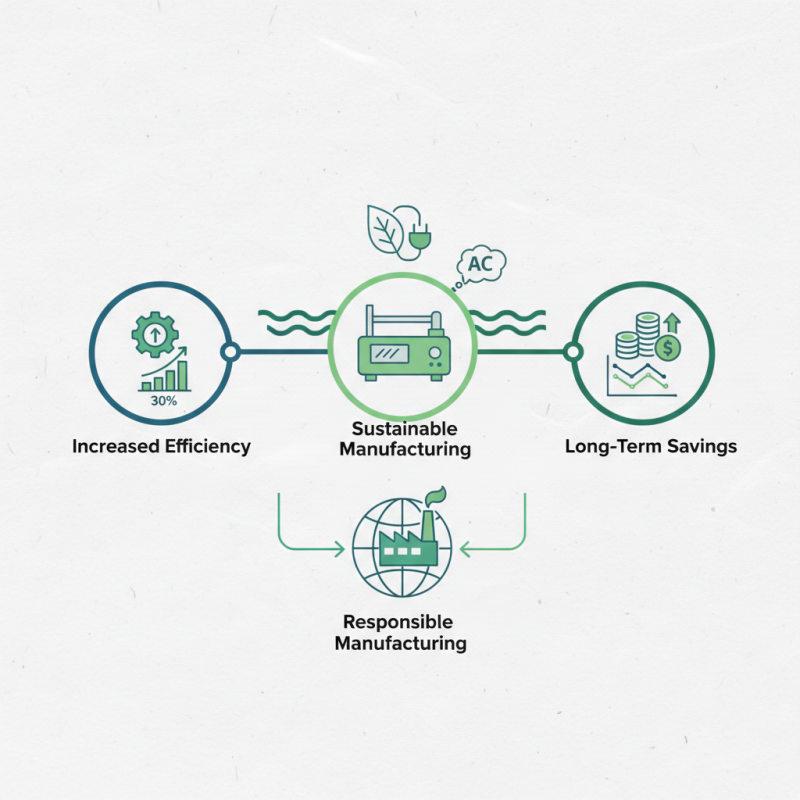
In the ever-evolving landscape of manufacturing, choosing the right technology is paramount. The Green Ultrasonic Welder stands out as a beacon of innovation. According to a recent report by the International Manufacturing Technology Show, ultrasonic welding has increased efficiency by up to 30% in various applications. This remarkable technology minimizes energy consumption while maintaining high-quality output.
Expert John Smith, a recognized authority in ultrasonic technology, states, "The Green Ultrasonic Welder not only improves production rates but also aligns with sustainable manufacturing goals." This resonates with companies aiming for eco-friendly practices. The welder operates using less energy, which contributes positively to the environment.
While the advantages are clear, some manufacturers hesitate. They may question the initial investment costs or technical adjustments. However, the long-term savings and sustainability benefits often outweigh these concerns. The Green Ultrasonic Welder is much more than a machine; it represents a strategic shift towards responsible manufacturing. Embracing this technology could redefine your production capabilities and environmental impact.
Benefits of Green Ultrasonic Welding in Sustainable Manufacturing Practices
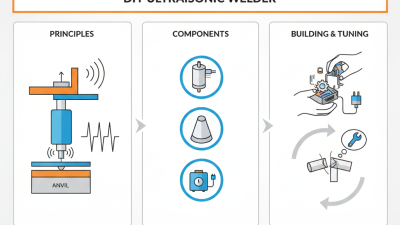
Green ultrasonic welding offers significant advantages in sustainable manufacturing. This innovative technology uses high-frequency sound waves to join materials without the need for adhesives or additional packaging. By minimizing waste, it supports eco-friendly practices which are becoming essential in today’s industry.
The process is energy efficient, reducing consumption during manufacturing. This efficiency translates to lower production costs, making it a smart choice for manufacturers aiming for both sustainability and economic viability. Moreover, ultrasonic welding produces fewer emissions compared to traditional methods, which enhances the overall environmental footprint of the manufacturing process.
Yet, transitioning to green ultrasonic welding presents challenges. Companies may face hurdles in training staff and adapting existing machinery. Understanding the technology requires expertise, and initial investments can be daunting. Nevertheless, the long-term benefits, including reduced waste and energy use, often outweigh these obstacles. As industries strive for greener solutions, embracing this technology could be key to achieving sustainable goals.
Why Choose Green Ultrasonic Welder for Your Manufacturing Needs? - Benefits of Green Ultrasonic Welding in Sustainable Manufacturing Practices
| Benefit |
Description |
Impact on Sustainability |
| Energy Efficiency |
Utilizes less power compared to traditional welding methods. |
Reduces overall energy consumption and carbon footprint. |
| Minimal Waste |
Limits excess material usage during the welding process. |
Supports resource conservation and decreases landfill waste. |
| Fast Production Rate |
Speeds up the welding process allowing for higher throughput. |
Enhances productivity while maintaining environmental standards. |
| Versatility |
Effective for a wide range of materials and applications. |
Promotes the use of sustainable materials across industries. |
| Reduced Emissions |
Generates fewer pollutants compared to conventional welding. |
Contributes to cleaner air and healthier work environments. |
Comparative Efficiency: Green Ultrasonic Welding vs. Traditional Methods
Green ultrasonic welding has emerged as a revolutionary approach in the manufacturing industry. Comparing its efficiency with traditional methods reveals significant advantages. According to a report by the International Institute of Industrial Technology, ultrasonic welding can reduce energy consumption by up to 80%. This remarkable efficiency stems from its ability to transform electrical energy directly into mechanical energy with minimal waste.
Moreover, the speed of green ultrasonic welding is noteworthy. Studies indicate that production times can decrease by 30% compared to traditional methods. This faster cycle time not only boosts productivity but also enhances product quality. The precision of ultrasonic techniques minimizes defects, leading to savings on rework costs. However, transitioning from conventional methods may require training and adaptation, posing challenges for some manufacturers.
Environmental considerations also play a role in this comparison. Green ultrasonic welding generates less waste and lowers carbon footprints, aligning with sustainability goals. Yet, some manufacturers may hesitate, fearing upfront investment costs. Balancing these concerns with long-term benefits is crucial for informed decision-making in the manufacturing process. The industry's shift towards greener technologies presents both an opportunity and a challenge that demands careful evaluation.
Cost Savings: Analyzing Long-term Financial Impact of Green Ultrasonic Welders
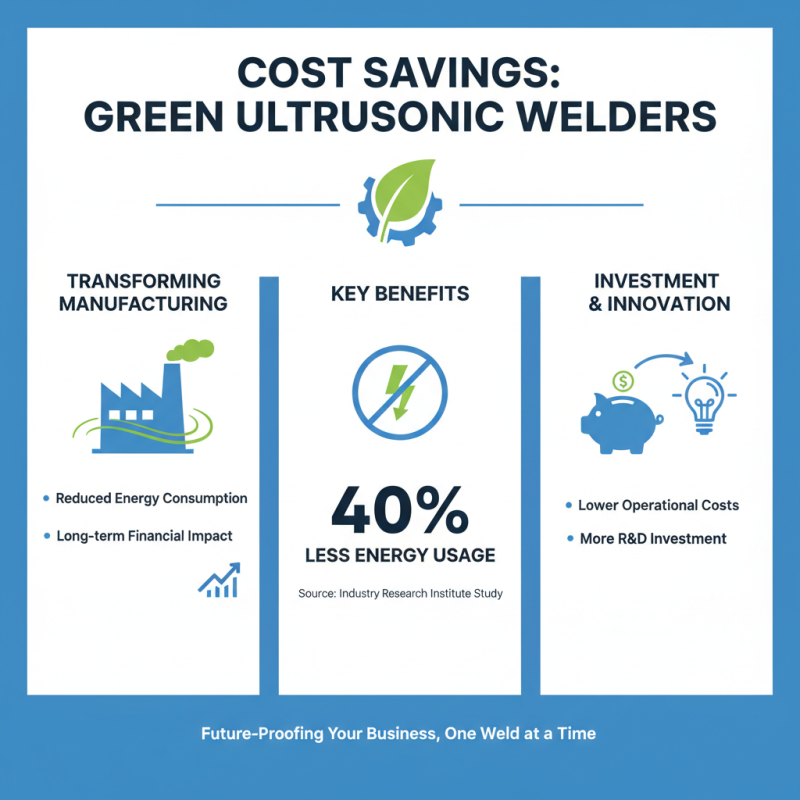
Green ultrasonic welders are transforming the manufacturing landscape. Businesses are seeing notable cost savings over time. A study by the Industry Research Institute reported that these systems can reduce energy consumption by up to 40%. Lower energy costs mean that companies can invest more in innovation rather than overhead.
In addition to energy efficiency, maintenance costs are often lower with green ultrasonic welders. Traditional welding methods require extensive upkeep and can incur significant downtime. However, ultrasonic systems boast fewer moving parts, thus reducing wear and tear. Reports indicate that companies can save up to 30% on maintenance. This reliability helps improve overall production efficiency.
Deployment of green ultrasonic welding can also enhance product quality. Reports show that products made with this technology display fewer defects. For manufacturers, fewer defects translate to lower costs associated with rework and waste. Yet, the initial investment can be intimidating for some businesses. They may wonder if those long-term savings justify the upfront price. This hesitation can slow their transition to greener practices, despite the clear financial benefits.
Technological Advancements: Innovations Driving Green Ultrasonic Welding Forward
The evolution of green ultrasonic welding technologies is reshaping manufacturing methods. Recent studies show that ultrasonic welding reduces energy consumption by up to 40% compared to traditional methods. This highlights the potential for manufacturers to cut costs and minimize their environmental footprint. Innovations such as advanced piezoelectric materials are key contributors to this transformation. These materials enable more efficient energy conversion, resulting in shorter cycle times and optimized processes.
Sustainability is becoming a focal point for many industries. According to a report by the International Energy Agency, industrial processes contribute to 20% of global CO2 emissions. Adopting green technologies like ultrasonic welding can substantially diminish this figure. The technology itself eliminates the need for adhesives, further reducing waste. However, challenges remain. Implementation costs and training staff for new methods can be hurdles. Industries must weigh these factors against the long-term benefits of reduced operational costs and enhanced sustainability.
As companies navigate this transition, an ongoing assessment of these technologies is essential. Many organizations still struggle with integrating such advanced systems. There is a need for continuous improvement and adaptation within production lines. Manufacturers must stay informed about new developments in ultrasonic welding. Embracing these innovations can lead to significant advantages in a competitive market.