10 Essential Tips for Choosing the Right Ultrasonic Welder Machine?
Choosing the right Ultrasonic Welder Machine is crucial for manufacturers. In recent years, the ultrasonic welding market has grown significantly. According to industry reports, it is projected to reach USD 2.5 billion by 2025. This growth underscores the importance of selecting the right equipment.
When selecting an Ultrasonic Welder Machine, consider technology and specifications. The right machine should fit specific production needs. Factors like power output and control features play a key role in efficiency. Reports indicate that poor equipment choices can result in increased downtime. This can lead to lost revenue and reduced productivity.
Additionally, integrating advanced features can enhance performance. For instance, smart technology helps optimize operations. However, with rapid advancements, one must be cautious. Knowing what is truly necessary for your operations is vital. The complexity of choices can be overwhelming. It's essential to evaluate options critically to ensure the best fit for your production goals.
Understanding Ultrasonic Welding Technology and Its Applications
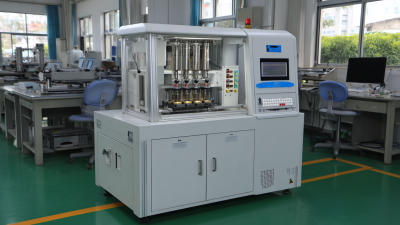
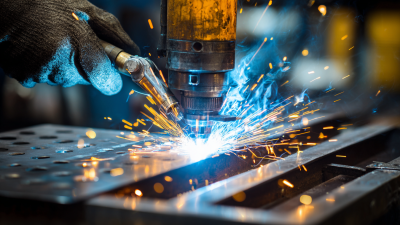
Ultrasonic welding technology has revolutionized various industries. This process uses high-frequency sound waves to join materials. It's particularly effective for plastics and metals, offering strong bonds without added adhesives. The applications are vast, including automotive, electronics, and medical devices. Understanding the technology helps in making informed choices for your projects.
When choosing the right ultrasonic welder, consider the material types you will work with. Different materials may require specific settings. It's also essential to evaluate the power output of the machine. Higher power may be needed for thicker materials, while lower power is often adequate for delicate tasks. Always assess your production needs. Will you require high-speed welding or more precision?
Another crucial tip is to think about customization. Some machines offer programmable options. This feature allows for adjustments that suit different projects. Don't overlook the importance of maintenance. Regular checks ensure the equipment runs efficiently. Neglecting this can lead to inconsistencies. Overall, while the technology is advanced, it's essential to match the machine to your specific needs for optimal results.
Evaluating Your Production Needs and Volume Requirements
When selecting the right ultrasonic welder machine, evaluating your production needs and volume requirements is crucial. Start by analyzing how frequently you will use the machine. If production is high, a robust model is essential. For lower volume needs, smaller machines may suffice.
Tip: Assess the materials you plan to weld. Different ultrasonic welders work best with specific materials. Consider whether you will need multi-material capabilities. It’s not always easy to determine these needs upfront.
Take time to reflect on your anticipated production volume. If you underestimate your requirements, you may face costly delays. Remember, finding the perfect balance between machine capacity and production speed is vital.
Tip: Think about future growth. Will your production increase? Choose a machine that can adapt to your growing needs. However, don't overcommit based on speculation. Flexibility in your choice can help avoid many issues later on.
Key Features to Consider When Choosing an Ultrasonic Welder
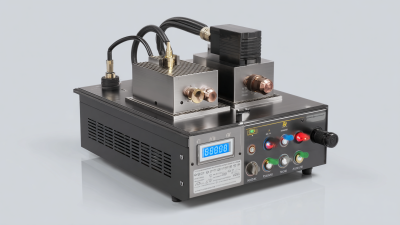
When selecting the right ultrasonic welder, understanding key features is crucial. One important aspect is power output. A welder with sufficient power ensures strong and durable welds. Insufficient power might lead to weak connections and product failure. Check the welder’s frequency too. Different materials require different frequencies for optimal performance.
Another feature to consider is the control system. Operators should have easy access to adjust settings like time, temperature, and pressure. A complex control panel might lead to operational errors. Automation features can enhance productivity, but they might require additional training.
Lastly, consider the machine's size and weight. A bulky welder can be difficult to maneuver. Weigh the benefits of portability against stability. It's a balancing act. Each project might need a different approach. Reflect on past experiences when choosing. Experience shows that overlooking these details can cause problems later.
Assessing Material Compatibility for Effective Welding Results
When selecting an ultrasonic welder, material compatibility is crucial.
Different materials respond variably to ultrasonic vibrations. This affects the quality and strength of the weld. For instance, thermoplastics are typically easier to weld than composites. Knowing the specific characteristics of the material is essential.
Before deciding, evaluate the density and melting point of your materials. Some materials may require adjustments in frequency or power. Testing samples can help assess how materials behave together. It's not uncommon to encounter issues during these tests. Sometimes, the results can be surprising and not what you expected.
Getting the right match is often a process of trial and error. You might discover that certain combinations produce weak joints. Alternatively, you might find materials that weld beautifully together. Documentation of these tests becomes vital. Future projects can benefit from lessons learned in this exploration. Understanding these nuances in material compatibility can lead to more effective welding.
Budget Considerations and Cost-Benefit Analysis of Welder Options
When considering an ultrasonic welder, budget plays a crucial role. An effective cost-benefit analysis helps in making wise decisions. Start by defining your budget range. Analyze the essential features you need versus the extra bells and whistles that may not be necessary. This upfront evaluation can save money later.
Maintenance costs are often overlooked. Some machines require frequent repairs that add up. A cheaper initial investment may not always be the best option. Consider the long-term expenses involved. Ask for opinions from operators who use similar machines. Their insights can help clarify potential pitfalls. Sometimes, the most recognized options don't always provide the best cost performance.
Factor in the intended applications for the welder. If your needs are basic, a simpler, less expensive model might suffice. Weigh quality against price carefully. Pushing for lower prices without understanding capabilities might lead to poor performance and frustration. Collect data from multiple sources, including user reviews. Find a balance between affordability and functionality.
10 Essential Tips for Choosing the Right Ultrasonic Welder Machine - Budget Considerations and Cost-Benefit Analysis of Welder Options
| Feature |
Description |
Cost Range (USD) |
Suitability |
| Power Output |
The wattage of the welder affects the speed and efficiency of welding processes. |
$1,000 - $5,000 |
Small to Medium Productions |
| Frequency |
Determines the type of materials that can be effectively welded. |
$800 - $4,000 |
Thermoplastic Applications |
| Controller Type |
Manual vs Automatic controllers affect usability and precision. |
$1,500 - $7,000 |
High Precision Applications |
| Size and Weight |
Larger machines can handle heavy duty tasks but may require dedicated space. |
$900 - $6,000 |
Industrial Applications |
| Material Compatibility |
Check the types of materials the welder can handle for optimal results. |
$1,200 - $5,500 |
Versatile Applications |
| Brand Reputation |
Choose a reliable brand with good customer support and service. |
$1,000 - $10,000 |
All Applications |
| Training and Support |
Consider if equipment comes with sufficient training and customer support. |
$500 - $2,500 |
New Users |
| Warranty and Service |
Longer warranties indicate confidence in machine durability. |
$300 - $1,500 |
Long-Term Use |
| Cost Per Weld |
Consider the operational cost based on material and energy consumption. |
$0.02 - $0.50 |
Cost-Conscious Users |