Leave Your Message

What Is a Handheld Ultrasonic Welder Used For?

A handheld ultrasonic welder joins compatible thermoplastics by applying high-frequency vibration and pressure at a small contact area. The tool is useful for localized work: closing a plastic housing, attaching a tab, or sealing a compact component without heating the entire part. Picture a technician holding two molded pieces together while a narrow horn presses their seam. The weld forms quickly. Setup still matters.

Grand View Research’s Ultrasonic Welding Machine Market report identifies automotive, electronics, and medical devices among the industry’s key application sectors. Those settings value repeatable joints and focused heat, but a handheld tool is not a universal replacement for automated equipment. Joint geometry, material type, part fit, and operator technique all affect results. A crooked seam can fail. That detail is easy to underestimate.

David Grewell, a researcher and co-author of the Plastics and Composites Welding Handbook, emphasizes in his published work that successful welding depends on matching process conditions to the materials and joint design. This is a paraphrase, not a verbatim quotation. In practice, operators must control pressure, vibration time, and horn alignment, then inspect samples before production. An Ultrasonic Welder Handheld is best understood as a precision tool for accessible, small-scale plastic joining—not a shortcut around testing. Real parts can behave differently from clean demonstrations, so trial welds and documented checks remain essential.
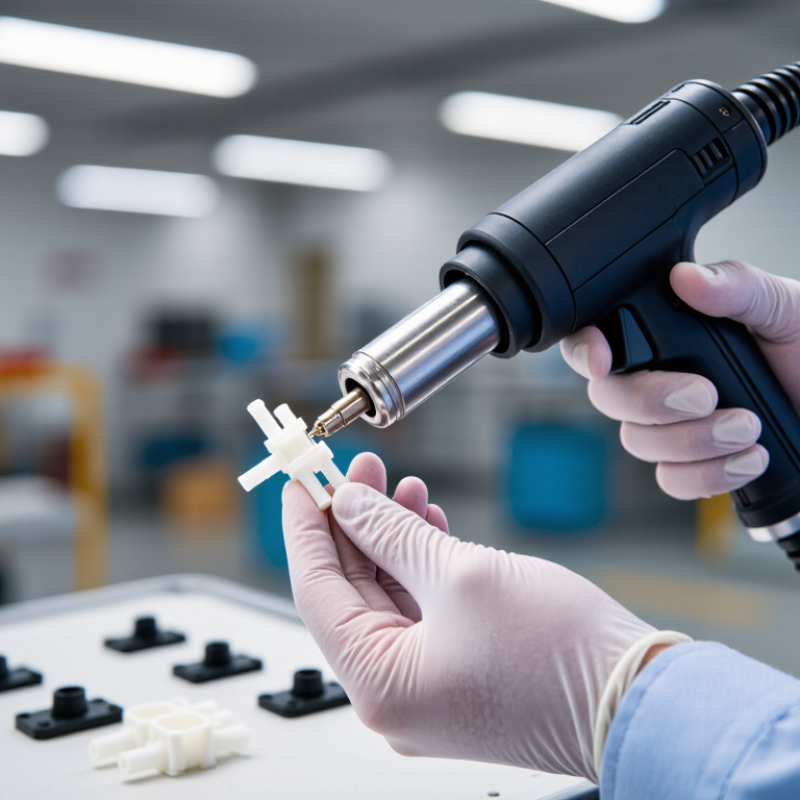
What Is a Handheld Ultrasonic Welder Used For?

What a Handheld Ultrasonic Welder Is

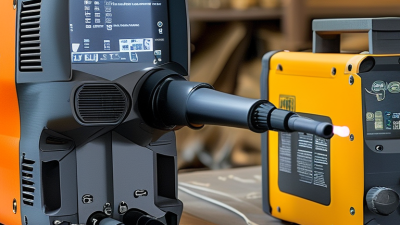
A handheld ultrasonic welder is a portable tool that joins compatible materials using high-frequency mechanical vibration and pressure. Unlike a hot-air tool, it does not heat the whole part. Its main components are a power unit, a handpiece, and a metal tip called a horn. The horn transfers vibration to the joint.

The operator places the horn against the parts and activates the tool. At the contact point, vibration creates heat that softens thermoplastic surfaces, while pressure helps them bond as they cool. The process can join small plastic components or seal thin plastic layers. No flame is involved. Some specialized systems weld thin metals, but their setup and operating principles differ.

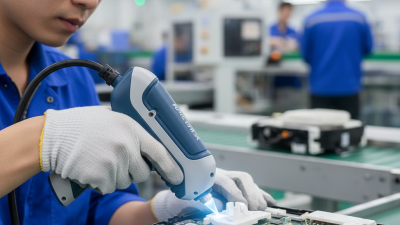
A handheld unit suits localized work, repairs, prototypes, and assembly tasks where a large press would be awkward. You may see a brief vibration and hear a sharp buzz; the finished joint should still be checked for strength and appearance. Results depend on material type, joint design, pressure, and timing. Operators should use eye protection and follow equipment guidance, since repeated exposure to noise can be uncomfortable. Still, it is not a universal fix. I would test a sample first, because materials that look alike may respond differently.

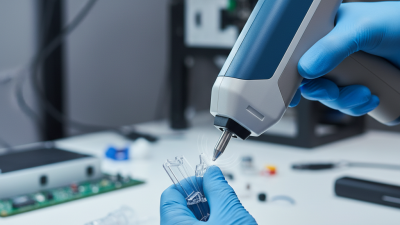
How Handheld Ultrasonic Welding Joins Materials

A handheld ultrasonic welder joins compatible thermoplastic parts by pressing a vibrating metal horn against their joint. High-frequency vibration creates localized heat where the surfaces meet, softening the plastic so pressure can fuse them. Once vibration stops, the joint cools under pressure. No glue is needed. The tool is useful for small housings, fabric components, and plastic assemblies that need quick, localized seams.

The method depends on material and joint design. Similar thermoplastics usually bond more reliably than dissimilar ones, while a small energy director—a raised ridge at the joint—can help focus heat. PlasticsEurope’s Plastics—The Fast Facts 2024 reports 413.8 million tonnes of plastics produced worldwide in 2023, reflecting the scale of plastic processing, though not ultrasonic welding specifically. In practice, this is not magic: poor alignment, uneven pressure, or an unsuitable polymer can leave a weak seam. A handheld unit also gives the operator less consistency than a fixed, automated setup.

Tips: Test scrap pieces first. Keep the horn square to the joint, and check the seam for gaps or whitening. Small changes matter.

What Is a Handheld Ultrasonic Welder Used For? — How Handheld Ultrasonic Welding Joins Materials

Application Materials Commonly Joined How the Handheld Welder Is Used Typical Benefits Important Considerations
Plastic assemblies and repairs Compatible thermoplastics, such as ABS, polypropylene, and some polycarbonate grades The horn presses against the joint while high-frequency vibration creates localized heat that softens the plastic surfaces. Can form a fast joint without added adhesive or filler material. The plastics must be weld-compatible; joint design, material grade, pressure, and energy settings affect results.
Small plastic components Thermoplastic housings, tabs, fittings, and molded parts An operator positions the tool at a localized joint, applies pressure, and activates the vibration for a controlled weld cycle. Useful for targeted joining where a large automated fixture may not be practical. Manual positioning can affect consistency; repeatable production may require fixtures or automated equipment.
Synthetic textiles and nonwovens Weldable thermoplastic fibers and fabric layers, including some polyester or polypropylene materials The vibrating horn applies pressure to a small area or follows a joint path to bond or cut compatible material. Can create localized bonds without stitching or liquid adhesive. Natural fibers alone generally do not fuse in the same way; results depend on thermoplastic content, thickness, and tool setup.
Packaging and film work Suitable thermoplastic films and laminated structures with weldable layers The tool applies vibration and pressure along a small seal area or point, softening the compatible layers so they bond as they cool. Can make localized seals without heating a large surrounding area. Seal quality depends on film construction, cleanliness, pressure, and the selected welding parameters.
Point welding or spot tacking Overlapping parts made from compatible thermoplastics A focused horn tip concentrates vibration at a selected point to create a small weld or temporary tack. Allows access to specific locations on larger or irregularly shaped parts. A spot weld is localized and may not provide the strength or sealing of a continuous, properly designed joint.
Cutting and edge sealing of synthetic fabric Thermoplastic textiles and nonwoven materials With a suitable horn and operating setup, vibration can separate material while softening the cut edge. May combine cutting and edge finishing in one operation on suitable materials. This is material- and tooling-dependent; testing is needed to check edge appearance and strength.

How it works: A handheld ultrasonic welder converts electrical energy into high-frequency mechanical vibration. The operator holds the tool against the joint and applies pressure; vibration and friction generate heat at the contact area, softening compatible thermoplastic surfaces. The parts bond as the material cools under pressure. Handheld ultrasonic plastic welders are generally intended for thermoplastics, not ordinary welding of metal parts.

Materials Commonly Joined with Handheld Ultrasonic Welders

Handheld ultrasonic welders join compatible thermoplastics through rapid vibration and pressure, often without glue or fasteners. Common materials include ABS, polycarbonate, polypropylene, polyethylene, and nylon. They appear in small housings, wire connectors, medical-device components, and automotive trim. The material grade matters: additives, moisture, and part shape can change the weld.

PlasticsEurope’s Plastics—The Fast Facts 2024 reports global plastics production of 413.8 million tonnes in 2023. That figure shows the scale of plastic use, not the amount suitable for ultrasonic welding. Similar-looking plastics may not bond reliably. Specialized ultrasonic equipment can also join thin, nonferrous metals, such as copper or aluminum tabs and wires. These applications need different tooling and settings than plastic welding.

Tips: Check resin compatibility before production. Test a small sample, then inspect the joint for gaps or weak edges. Even a clean-looking weld can fail under load. Keep the horn face clean, and record pressure and weld time; small setup changes can matter.

Products and Industries That Use Handheld Ultrasonic Welders

What Is a Handheld Ultrasonic Welder Used For?
Products and Industries That Use Handheld Ultrasonic Welders

Handheld ultrasonic welders join compatible parts using high-frequency vibration and pressure. They are useful for small assemblies, prototypes, repairs, and workpieces that are awkward to place in a larger machine. Common products include plastic housings, cable connectors, small appliance components, and packaging parts. Some tool configurations also support metal spot welding. Small parts matter.

In electronics, operators may join compact enclosures or secure wire connections. Automotive suppliers use handheld units for selected plastic trim and interior components. Medical-device manufacturers may use them on suitable housings or components, but regulated products require validated processes. Packaging, textiles, and household-appliance production also use handheld welders for localized work. The right setup depends on the material, joint shape, and required strength; a clean-looking seam does not prove a reliable weld. Real parts are rarely as tidy as drawings suggest.

Tips: Match the horn to the joint, keep parts aligned, and use consistent pressure. Test sample pieces before production, then check the joint’s strength and appearance. If results vary, review the material, contact area, and settings rather than increasing power blindly.

Factors That Affect Where Handheld Ultrasonic Welders Are Used

A handheld ultrasonic welder is most useful when parts are small, accessible, and made from compatible thermoplastics. Its suitability depends on the material, joint design, and required bond strength. Similar plastics often weld more predictably than dissimilar ones, but the exact grade and additives matter. Not every part works. A quick trial on actual production material can reveal weak seams, surface marks, or poor alignment.

Access also shapes where the tool is used. A portable unit can reach a repair area or a workbench where a fixed press is impractical. Yet the horn must still contact the joint squarely, and the operator needs room to hold the parts steady. Fit matters. Curved surfaces, deep recesses, and delicate components may need custom tooling or a different process.

Production volume, cycle consistency, and operator comfort matter too. Handheld welding can suit short runs, prototypes, and localized assembly, but repeating the same pressure by hand is not effortless. Long shifts may bring fatigue and uneven results. For dependable output, teams should check weld strength, inspect samples, and set clear operating procedures. A setup that works on a flat sample may disappoint on a finished assembly; that gap deserves attention.