Top 10 Ultrasonic Welders For Wire You Should Consider?
In the ever-evolving landscape of manufacturing, ultrasonic welding has emerged as a key technology, especially for joining wires. “Ultrasonic Welder For Wire systems provide unmatched precision and consistency in manufacturing,” says Dr. Emily Chen, a leading expert in ultrasonic technologies. According to a recent industry report by MarketsandMarkets, the ultrasonic welding market is projected to reach $1.5 billion by 2025, growing at a CAGR of 7.5%. This significant growth highlights the increasing reliance on ultrasonic welders in various sectors, including automotive and electronics.
Ultrasonic welders utilize high-frequency vibrations to create strong, durable bonds quickly and efficiently. These systems are not just about speed; they also offer excellent benefits in terms of reducing scrap and energy consumption. Companies are increasingly adopting these technologies to improve their production lines. However, the market is flooded with options, making it challenging to choose the right one for specific needs.
Quality and reliability are cornerstones for manufacturers wanting to integrate ultrasonic welders effectively. As Dr. Chen points out, the right equipment is crucial for maintaining production quality. With the vast array of products available, careful consideration is needed to ensure optimal performance and longevity. This article explores the top 10 ultrasonic welders for wire, helping you navigate this complex landscape.
Top Features to Look for in Ultrasonic Welders for Wire
When selecting ultrasonic welders for wire, features play a vital role in determining the best fit for industrial needs. A critical aspect to consider is frequency stability. Most effective ultrasonic welders operate between 20 kHz to 70 kHz. Data suggests that stability within this range leads to improved joint strength and reduced cycle times. This precision is essential for industries requiring consistent performance, such as automotive and electronics.
Another significant feature is the power output. Ultrasonic welders typically range from 500 to 4000 watts. Higher wattage options allow for faster processing times. However, this can also lead to overheating issues if not properly managed. Users must evaluate their specific material types and thicknesses when choosing power settings. Additionally, the mechanical design of the ultrasonic stack impacts the overall efficiency. A well-engineered system can minimize energy loss, ensuring higher productivity and lower operational costs.
Moreover, look for user-friendly interfaces. Modern ultrasonic welders often include digital displays and programmable settings. This enhances usability for operators with varied experiences. While automation can streamline processes, reliance on technology might overlook critical manual adjustments. Balancing automation with human oversight is key for optimal results in welding applications.
Top 10 Ultrasonic Welders For Wire You Should Consider
| Model |
Power Output (Watts) |
Frequency (kHz) |
Weight (lbs) |
Key Features |
| Model A |
1500 |
28 |
30 |
Compact design, adjustable power settings |
| Model B |
2000 |
40 |
25 |
High efficiency, easy-to-use interface |
| Model C |
1800 |
30 |
28 |
Versatile applications, digital control |
| Model D |
1200 |
20 |
32 |
Portable, battery operated |
| Model E |
2200 |
28 |
30 |
Enhanced stability, user-friendly controls |
| Model F |
1700 |
40 |
35 |
Multiple ultrasonic horns, high precision |
| Model G |
1600 |
30 |
27 |
Quick welding speed, customizable settings |
| Model H |
1900 |
30 |
31 |
Durable build, energy efficient |
| Model I |
2100 |
40 |
36 |
Intuitive design, robust features |
| Model J |
2300 |
28 |
29 |
Compact design, multi-function |
Benefits of Using Ultrasonic Welding Technology for Wire Applications
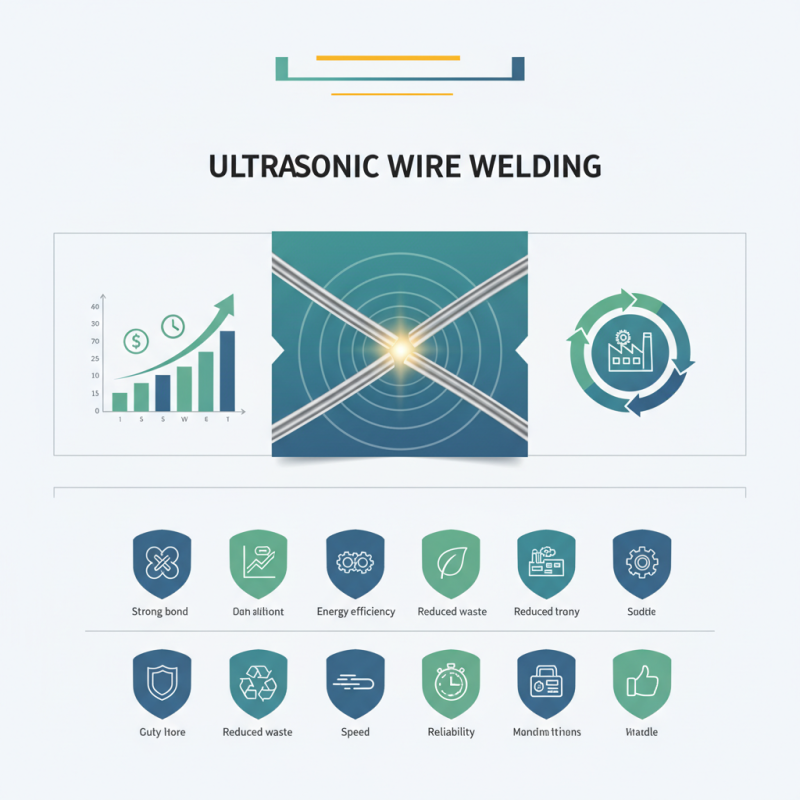
Ultrasonic welding is revolutionizing wire applications. This technology offers several advantages that make it an attractive choice for manufacturers. One key benefit is its ability to create strong, durable joints without the need for additional materials. This results in lighter designs and reduced production costs.
Using ultrasonic welders significantly shortens production time. The process is almost instantaneous, going from raw materials to finished products in mere seconds. Companies can increase their output without sacrificing quality. Additionally, ultrasonic welding minimizes the risk of thermal damage. The localized heat generation prevents degradation of sensitive wire insulation.
Tips for optimization: Always maintain your ultrasonic welding equipment to ensure consistent results. Regular calibration of the machines can prevent performance issues. Observe the weld quality closely during initial runs to refine your parameters. Also, consider experimenting with different wire materials to identify the best combinations for specific applications. Analysis of production data can help in understanding trends and improving efficiency over time.
Comparative Analysis of Leading Ultrasonic Welder Brands
Ultrasonic welders are essential tools in industries requiring high-quality, reliable joining of materials. A comparative analysis of leading brands shows notable differences in performance and technology. Some brands excel in precision, while others focus on speed. It's crucial to evaluate each model based on your specific applications and needs.
When choosing an ultrasonic welder, consider these tips. First, assess the frequency range, as it affects welding quality. Higher frequencies often yield better results but may not be suitable for thicker materials. Second, look into the ease of maintenance. A welder that requires frequent servicing can slow down production. Reliability matters, especially in high-volume environments.
Keep in mind that no single welder is perfect for every job. Application-specific requirements can influence your decision. Experimenting with different models can help identify which performs best under your conditions. Gathering feedback from experienced users can also provide valuable insights.
In every case, prioritize features that align with your work demands. The long-term value of a welder can outweigh initial costs. Understanding the strengths and weaknesses of various models can help you make informed choices.
User Reviews: Real Experiences with Top Ultrasonic Welders
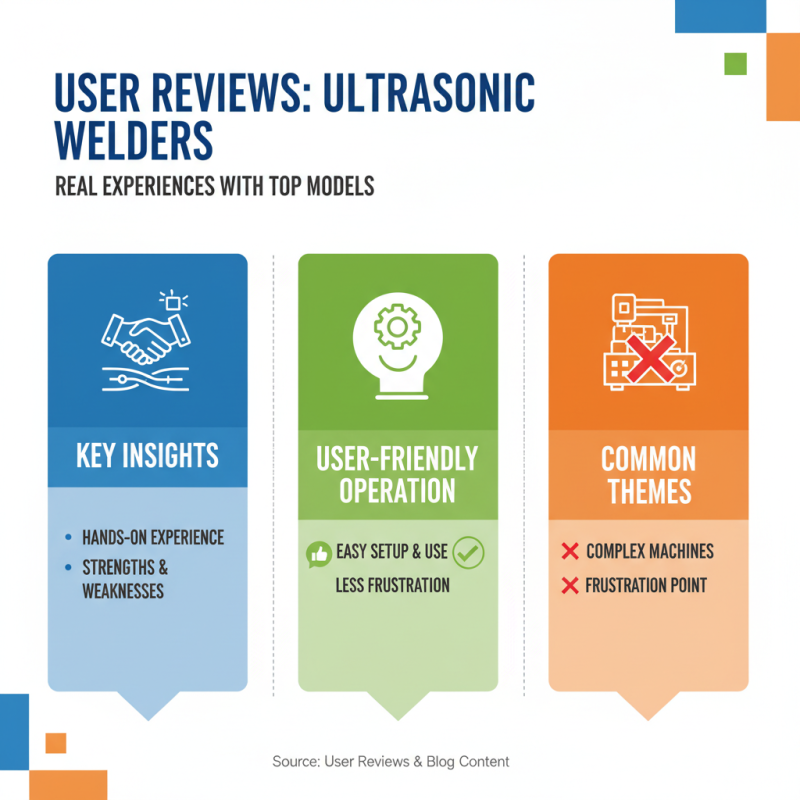
User reviews play a crucial role in understanding ultrasonic welders for wire. Many users share their hands-on experiences, which can provide valuable insights. These reviews often highlight the strengths and weaknesses of various models. A common theme emerges: user-friendly operation is essential. Welders that are easy to set up and operate tend to receive high praise. Feedback suggests that complex machines can lead to frustration.
When selecting an ultrasonic welder, consider how well it fits your needs. One user noted that they struggled with the learning curve of a more advanced model. It took longer to achieve satisfactory results. On the other hand, simpler machines allowed for quicker and more efficient welding. Pay attention to customer service as well. Some brands have been noted for their responsive support, which can make a difference during troubleshooting.
Tips: Always research the user experiences thoroughly. Look for common issues faced by others. This can save time and money. Additionally, experiment with different settings on your welder. It often takes a few tries to perfect your technique. Don’t shy away from adjusting your approach based on the material type and thickness. This hands-on experience is invaluable.
Maintenance Tips for Prolonging the Life of Ultrasonic Welders
Maintaining ultrasonic welders is critical for their longevity and efficiency. Regular maintenance can prevent costly repairs and extend the equipment's lifespan. According to industry reports, properly maintained ultrasonic welders can last up to 20 years, while neglected machines often fail within five years.
One effective tip is to regularly clean the ultrasonic stack. Dust and contaminants can accumulate, affecting performance. A clean stack ensures optimal energy transfer. Aim to inspect the stack at least once a month. Additionally, monthly checks on electrical connections can prevent power fluctuations that cause wear and tear.
Another vital aspect is monitoring the system’s temperature. Ultrasonic welders typically operate within a specific temperature range. Overheating can damage sensitive components. To maintain efficiency, consider using thermal imaging to detect hotspots. Small adjustments can make a significant difference in your welder's lifespan. Always refer to manufacturer guidelines for operational parameters, and be attentive to warning signs. These practices can reduce downtime and save on costly repairs in the long run.
Top 10 Ultrasonic Welders For Wire