Leave Your Message

Top 10 Industrial Ultrasonic Welders for Global Buyers?

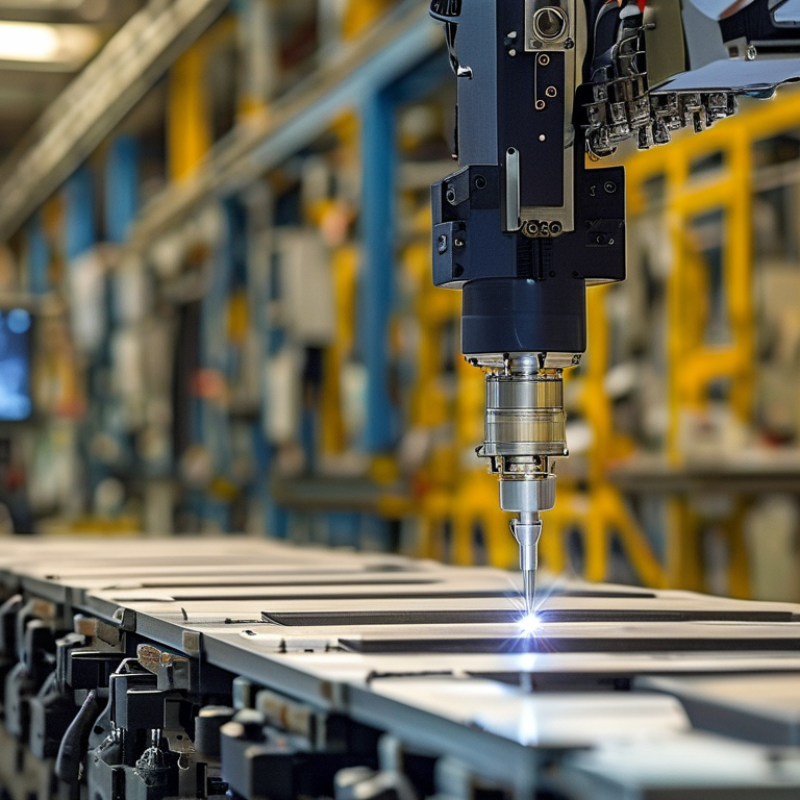
In the world of manufacturing, an Industrial Ultrasonic Welder stands out. These machines use high-frequency sound waves for welding, making them highly efficient. They are essential tools for various applications, from automotive to electronics.

Choosing the right Industrial Ultrasonic Welder can be daunting. With many options, buyers often face challenges. Reliability and effectiveness are paramount. Global buyers need to consider factors like power output and frequency ranges. A well-chosen welder can boost production and reduce operational costs significantly.

As industries evolve, so do the technologies. Maintaining awareness of advancements in ultrasonic welding is crucial. While some machines promise high performance, not all deliver equally. Buyers should seek reviews and testimonials to ensure they make informed decisions. The right Industrial Ultrasonic Welder is a game-changer for businesses aiming for excellence.
Top 10 Industrial Ultrasonic Welders for Global Buyers?

Key Features to Consider in Industrial Ultrasonic Welders

When selecting industrial ultrasonic welders, key features play a vital role. One must consider the frequency range these machines operate in. Most ultrasonic welders work between 20 kHz and 40 kHz. This frequency affects the welding speed and quality. A higher frequency often results in finer welding seams, while a lower frequency is better for thicker materials. Ensuring you choose the right frequency is essential for your specific application.

Another critical aspect is power output. Ultrasonic welders come with varying power ratings, typically between 200 to 3000 watts. Higher wattage allows for quicker heating. However, excessive power can lead to material degradation. Assessing material properties helps in balancing power settings appropriately.

Lastly, consider the mechanism of the machine. Manual options might require more operator skill. In contrast, automatic welders offer consistency but come with high initial costs. Weighing these options can be a challenging process. Think about your production needs and budget constraints carefully. Proper evaluation during the selection process will lead to better performance and efficiency in the long run.

Top 10 Industrial Ultrasonic Welders for Global Buyers

Model Number Power (Watts) Frequency (kHz) Max Welding Thickness (mm) Weight (kg) Price Range (USD)
Model A 1500 20 5 50 $2000 - $3000
Model B 2000 25 6 60 $2500 - $3500
Model C 1200 30 4 45 $1800 - $2800
Model D 1800 28 7 55 $2200 - $3200
Model E 1600 22 5.5 50 $2100 - $3100
Model F 2000 35 8 70 $2800 - $3800
Model G 1400 20 5 48 $1900 - $2900
Model H 1700 27 6 63 $2500 - $3500
Model I 1900 33 7.5 68 $3000 - $4000
Model J 2100 30 9 75 $3200 - $4200

Top Brands Known for Ultrasonic Welding Technology

Ultrasonic welding is a critical technology in various industries, from automotive to electronics. This process uses high-frequency sound waves to join materials, making it efficient and reliable. Many top brands are pioneers in ultrasonic welding, demonstrating their expertise through innovative designs and advanced machinery. When selecting an ultrasonic welder, it’s important to consider quality and experience. Buyers should look for companies that have a history of excellence in manufacturing.

Top brands in ultrasonic welding often showcase unique features in their machines. Some offer customizable settings, enabling precise control during the welding process. Others focus on energy efficiency, reducing costs for long-term operations. While many brands boast high power and speed, it’s essential to evaluate real-world applications and user feedback. This can reveal whether their claims stand up to practical use.

Investing in ultrasonic welding technology involves understanding market offerings. Buyers should not only rely on brand reputation. Exploring customer reviews and industry reports can provide a clearer picture of performance and reliability. Each brand's approach may vary, leading to strengths and weaknesses. Therefore, analyzing experiences from other users will guide informed choices in this essential field.

Comparative Analysis of the Leading Ultrasonic Welders

When selecting an industrial ultrasonic welder, it's essential to consider various factors that influence performance. The technology behind ultrasonic welding involves high-frequency sound waves to join materials. This process is efficient and minimizes material deformation. However, achieving optimal results requires understanding specific requirements like material compatibility and weld thickness. Different models may excel in different applications, so buyers should analyze their needs carefully.

The quality of welds can vary significantly between machines. Some welders are designed for high-volume production, ensuring rapid cycle times. Others prioritize precision, ideal for delicate components. Buyers must weigh these factors against their production goals. Price often correlates with features, but not always. It's crucial to evaluate if the additional costs translate into higher efficiency.

Customer support and maintenance accessibility are also vital. A reliable machine might require occasional calibration and troubleshooting. Countless reviews indicate a significant gap in post-purchase support among manufacturers. Some offer extensive resources while others leave buyers to fend for themselves. Verifying warranty conditions and service availability can prevent potential future frustrations. Always seek feedback from existing users to gauge real-world performance and reliability.

Applications of Ultrasonic Welders Across Various Industries

Ultrasonic welding is revolutionizing manufacturing across various industries. This process uses high-frequency sound waves to join materials, providing a strong bond with minimal thermal impact. It is prevalent in the automotive, electronics, and medical sectors. According to recent reports, the global ultrasonic welding market is expected to grow at a CAGR of 7% from 2023 to 2030, reflecting its increasing significance.

In the automotive industry, ultrasonic welders are crucial for producing lightweight components. They enable the joining of dissimilar materials, enhancing the overall performance of vehicles. In electronics, precise and efficient connections are essential. Ultrasonic welding ensures the reliability of connections in circuit boards and battery packs. The medical sector also benefits significantly, with ultrasonic welders used to bond medical devices, ensuring safety and integrity.

Despite its advantages, some challenges remain. The initial investment for ultrasonic welding equipment can be significant. Additionally, operators must be trained to use the technology effectively. Inconsistent results may occur if settings are not calibrated correctly. Understanding these factors is vital for manufacturers looking to integrate this technology into their processes. The continuous development in ultrasonic technology aims to address these challenges, making it a promising solution for future manufacturing needs.

Pricing Trends and Market Insights for Ultrasonic Welding Equipment

In the ultrasonic welding equipment market, pricing trends shift based on technology and application. Recent reports indicate that prices for high-end ultrasonic welders can range from $10,000 to $50,000. Factors such as power output, frequency, and advanced features drive these variations. For instance, welders suitable for complex materials tend to command higher prices due to their specialized functions.

Market insights reveal increasing demand across sectors like automotive and electronics. A study by MarketsandMarkets notes that the ultrasonic welding market is expected to grow at a CAGR of 5.7% from 2022 to 2027. This growth highlights a shift towards automation and efficiency in manufacturing processes. However, some buyers express concerns regarding the longevity and maintenance costs of these machines.

Moreover, as more companies invest in sustainable practices, the importance of eco-friendly equipment rises. Buyers are keen on machines that reduce waste and energy consumption. Given the increasing competition, manufacturers face pressure to innovate while maintaining affordable pricing. This dynamic landscape necessitates continuous evaluation of market conditions and customer feedback for successful investments.