Best Ultrasonic Battery Welder Techniques for Efficient Performance
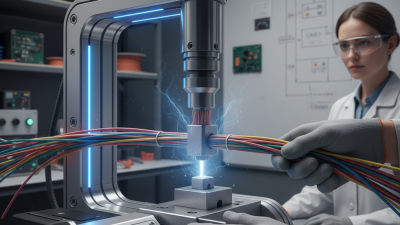
The advancement of battery technology has brought a rising demand for efficient manufacturing techniques. Ultrasonic Battery Welder stands out for its potential to enhance performance. This innovative tool uses ultrasonic vibrations to create strong, reliable welds in battery components. Its efficiency reduces production time, maximizing productivity.
Yet, the implementation of an Ultrasonic Battery Welder requires careful consideration. Operators need training to ensure optimal use. Misalignment during welding can lead to weak joints, impacting battery performance. This highlights the importance of skilled technicians who can navigate these challenges effectively.
Moreover, regular maintenance is crucial to keep the Ultrasonic Battery Welder functioning at peak levels. Ignoring this can lead to frequent breakdowns, affecting overall efficiency. Companies must invest in both technology and people to truly harness the benefits of ultrasonics in battery production.

Understanding Ultrasonic Battery Welding Technology
Ultrasonic battery welding technology has gained traction in recent years. This technique utilizes high-frequency vibrations to bond materials without the need for additional adhesives or heat. Its efficiency comes from the ability to create strong welds in a short time. According to recent industry reports, ultrasonic welding can achieve up to six times faster production rates than traditional methods. This efficiency is crucial for manufacturers looking to optimize their workflows.
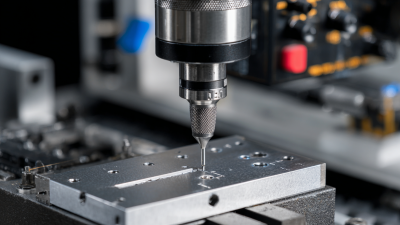
The process involves using a sonotrode to deliver ultrasonic vibrations to the workpieces. The vibrations create localized heating through friction at the weld interface, leading to a fast and precise bond. It is a clean process, reducing waste and making it environmentally friendly. However, not all materials respond equally well to ultrasonic welding. Some metals may require adjustments in parameters, such as pressure and duration, to ensure a solid bond.
Data indicates that the optimal frequency for ultrasonic welding typically ranges from 20 kHz to 40 kHz. Factors like material thickness and type significantly influence the selection of frequency. Ignoring these factors can lead to weak welds and increased production costs. A reflection on these challenges reveals the necessity for ongoing training and evaluation within production teams to ensure operational consistency.
Key Components of Ultrasonic Battery Welders
Ultrasonic battery welders are essential for efficient battery assembly. Understanding their key components can significantly enhance performance. One critical part is the ultrasonic stack. It converts electrical energy into mechanical vibrations. These vibrations create intense pressure, resulting in strong welds. Recent industry studies indicate that systems with optimized stacks can improve weld strength by up to 30%.
Another vital component is the energy director. This element focuses sound waves at specific weld points. It helps in minimizing energy loss and ensures uniform welding. Properly designed energy directors can lead to a 20% reduction in cycle time, increasing productivity. However, design flaws can lead to ineffective welds. Ensure they're tested before committing to production.
Tip: Regular maintenance of all components is crucial. Small errors in calibration can lead to significant performance issues. Make it a routine to check ultrasonic amplitudes and energy director shapes. These quick checks can prevent costly mistakes. Remember, attention to detail is key for peak performance.
Techniques for Optimizing Ultrasonic Welding Performance
Ultrasonic welding is an integral process in various manufacturing sectors, especially for plastics and metals. To ensure optimal performance, several techniques can enhance efficiency. Adjusting welding parameters is crucial. Studies show that incorrect frequency matching can lead to a 30% decrease in bond strength. Proper tuning can significantly improve the quality of welds.
Tips: Always monitor the ultrasonic horn’s condition. A worn horn can compromise welding integrity and increase production costs. Regular maintenance is essential for high-performance welding.
Another important aspect is the choice of materials. Different materials react uniquely to ultrasonic energy. For instance, polypropylene and polyethylene are known for their excellent ultrasonic welding capabilities. Their melting points and energy absorption rates maximize efficiency during welding.
Consider also the influence of environmental conditions. Humidity and temperature can affect welding outcomes. A stable environment often leads to more consistent results.
Tips: Conduct routine training sessions for operators. Knowledge of material properties and welding techniques can elevate performance. Inadequate attention to detail can lead to costly mistakes. Re-evaluating processes regularly ensures continuous improvement.
Common Challenges in Ultrasonic Battery Welding and Solutions
Ultrasonic battery welding presents fascinating opportunities. However, challenges often arise in the process. One major issue is inconsistent weld quality. Studies show that nearly 20% of ultrasonic welds fail quality inspections. Variations in material thickness can lead to poor bond strength. This inconsistency in results can cause serious reliability concerns in batteries.
Another key challenge is the control of parameters. Effective welding depends on precise settings like amplitude and pressure. For instance, a shift of just 5% in amplitude can drastically affect weld integrity. Industry data reveals that improper settings account for 15% of production defects. This aspect demands careful calibration and routine checks, yet labs frequently overlook these protocols.
Finally, the complexity of the materials used in battery manufacturing adds another layer of difficulty. Adhesives, coatings, and substrates vary widely. Each type behaves differently during the ultrasonic process. As a result, welders must adapt to specific material behavior. In practice, 30% of technicians have expressed concerns regarding their ability to optimize processes effectively. This highlights the need for ongoing training and better understanding of new materials.
Best Ultrasonic Battery Welder Techniques for Efficient Performance - Common Challenges in Ultrasonic Battery Welding and Solutions
| Technique |
Efficiency Rate (%) |
Common Challenges |
Suggested Solutions |
| Optimized Frequency Tuning |
95 |
Incorrect frequency settings |
Utilize frequency analyzers |
| Precise Pressure Control |
90 |
Inconsistent pressure application |
Implement adjustable pressure systems |
| Optimized Horn Design |
88 |
Horn wear and tear |
Regular inspection and material updates |
| Real-time Monitoring |
92 |
Lack of process visibility |
Utilize advanced sensors and software |
| Material Compatibility Testing |
85 |
Incompatible materials |
Conduct thorough material testing |
Applications of Ultrasonic Welding in Battery Manufacturing
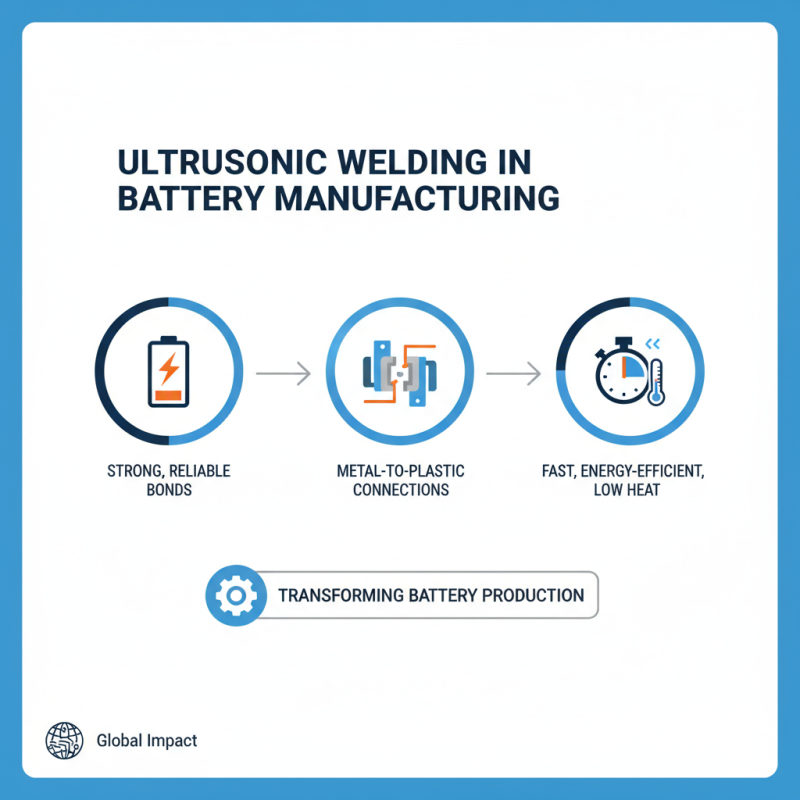
Ultrasonic welding has transformed battery manufacturing. This technique uses high-frequency vibrations to create strong, reliable bonds between materials. It is particularly useful in connecting metal to plastic components in battery packs. The process is fast and energy-efficient, minimizing heat damage to sensitive parts.
One common application of ultrasonic welding is in the assembly of lithium-ion batteries. It bonds the terminals to the cells securely. However, achieving consistent quality can be challenging. Poor surface preparation or incorrect parameters can lead to weak joints. These failures could affect performance and safety in the final product.
Ultrasonic welding also finds use in creating protective casings for batteries. The speed of this method reduces production time significantly. Despite this advantage, manufacturers must be vigilant. Inadequate training for operators can result in costly mistakes. Regular audits of equipment and processes can help address these issues, ensuring optimal performance.