Ultimate Guide to Ultrasonic Cable Welder Benefits and Uses?
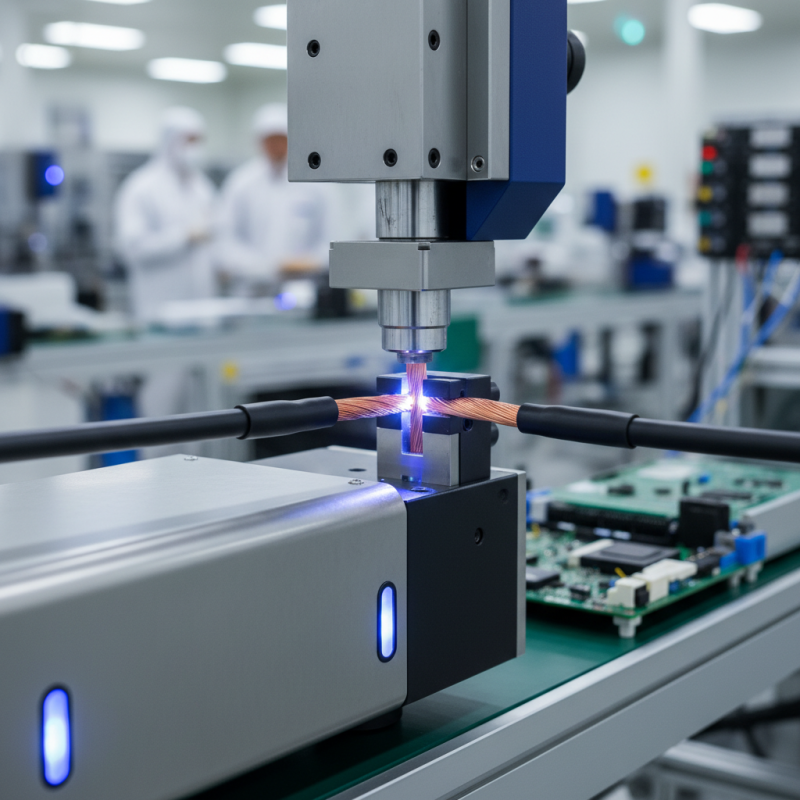
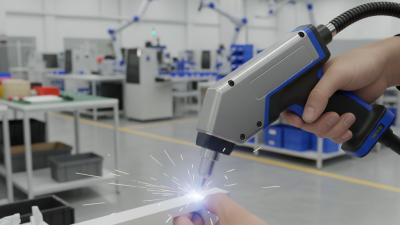
The Ultrasonic Cable Welder stands out as a transformative tool in modern manufacturing. Its ability to fuse materials with precision and efficiency offers significant advantages. This technology harnesses high-frequency vibrations, creating localized heat to bond cables without damaging them.
In industries like automotive and electronics, the ultrasonic process is gaining traction for its speed and reliability. Many companies are beginning to recognize these benefits, yet some remain skeptical about its implementation. The learning curve can be challenging, and not all applications are suitable for ultrasonic welding.
Ultimately, understanding the Ultrasonic Cable Welder's capabilities helps businesses make informed choices. As more manufacturers adopt this technology, its growing popularity demands careful consideration and analysis. Balancing cost, quality, and performance is essential for achieving optimal results in cable welding.
Understanding Ultrasonic Cable Welding Technology
Ultrasonic cable welding technology provides a unique solution for joining wires efficiently. This method involves high-frequency ultrasonic vibrations, generating localized heat. As a result, the materials bond at a molecular level. It ensures a strong, reliable connection, ideal for various industries such as automotive and electronics.
One of the key benefits of ultrasonic welding is its speed. The process happens in a matter of seconds. This can significantly enhance production rates. In addition, the cleanliness of the method eliminates the need for adhesives. This reduces contaminants and waste in the manufacturing environment. However, achieving optimal results may require fine-tuning of parameters. Improper settings can lead to weak connections.
Despite its advantages, ultrasonic welding is not a perfect solution. Certain materials may pose challenges during the bonding process. Complex shapes may require additional considerations. Industry professionals must assess individual project needs. Careful analysis is crucial to ensure high-quality outcomes. Understanding these nuances can improve the implementation of ultrasonic cable welding technology.
Key Benefits of Using Ultrasonic Cable Welders
Ultrasonic cable welders offer various benefits that enhance manufacturing efficiency and product quality. One key advantage is their precision in joining materials. The ultrasonic process generates localized heat, allowing for strong bonds without damaging surrounding areas. This precision is crucial in industries where cable integrity is vital, such as automotive and telecommunications.
Besides reducing the risk of damage, ultrasonic welders require less time than traditional methods. This efficiency translates to increased production rates. Employees can complete more tasks in a shorter timeframe, leading to higher overall output. Furthermore, the lack of additional materials, like adhesives or fillers, simplifies the process and reduces waste.
Tips: Before investing in ultrasonic welders, consider conducting trials. Evaluate how they integrate into your production line. Additionally, invest in training for your team to maximize effectiveness. Well-informed operators produce better results. Lastly, monitor maintenance closely; even small wear and tear can affect performance. Regular checks ensure longevity and reliability.
Applications of Ultrasonic Cable Welding in Different Industries
Ultrasonic cable welding is making waves across various industries. In the automotive sector, it's crucial for high-quality cable assemblies. Reports show that ultrasonic welding can reduce production time by up to 50%. This speed helps manufacturers meet strict deadlines without sacrificing quality. The process creates strong, reliable joints while minimizing the risk of damage to sensitive components.
Another notable application is in the medical device industry. Here, ultrasonic welding ensures precise assembly of equipment without the use of adhesives. This is vital, as equipment must be safe and hygienic. According to research, the use of ultrasonic welders in medical applications has increased by 30% over the past three years. This growth reflects the trend towards more efficient and effective manufacturing methods.
In the electronics sector, ultrasonic welding facilitates the assembly of small, complex components. The technology allows manufacturers to create connections that are durable yet precise. However, there's an ongoing need for better quality control measures. Some reports suggest that defects still occur in less than 5% of products, highlighting areas for improvement. Adopting new process monitoring technologies could enhance reliability, ensuring even greater confidence in this versatile welding method.
Comparative Analysis: Ultrasonic vs. Traditional Welding Methods
When considering welding methods, ultrasonic and traditional approaches offer distinct advantages. Ultrasonic welding utilizes high-frequency sound waves to join materials, making it quite effective for thermoplastics and metals. In contrast, traditional welding relies on heat and molten material, which can lead to distortion and overheating.
Ultrasonic welds are known for their precision. They reduce thermal damage to sensitive components.
Moreover, ultrasonic technology boasts speed. Welds occur in seconds, enhancing production efficiency. Traditional methods may require extensive setup and cooling time. However, ultrasonic welding does have limitations. It may not suit all materials or thicknesses. Some users report a learning curve with machine operation. Traditional welding provides versatility across various applications, which can be critical in heavy-duty sectors.
Another aspect to consider is the cost. Ultrasonic systems often have a higher initial investment. Nevertheless, their long-term savings through reduced waste and increased uptime can be significant. Users might find themselves weighing the upfront costs against operational benefits. While traditional methods are reliable, ultrasonic welding presents a modern solution for specific needs.
Maintenance and Safety Considerations for Ultrasonic Welders
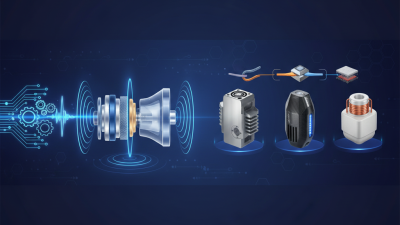
When operating ultrasonic welders, maintenance is crucial for optimal performance. Regularly inspect components such as the transducer, booster, and sonotrode. Dust and debris can accumulate, affecting their efficiency. A clean workspace helps maintain the welder’s reliability.
Safety must always be a priority. Operators should wear appropriate personal protective equipment (PPE). Hearing protection is essential, as ultrasonic welders emit high-frequency sounds. Additionally, it’s vital to establish clear workspace protocols. This minimizes the risk of accidents and injuries. Every team member should receive thorough training on safe operation practices.
Periodic evaluations of the equipment are necessary. Over time, wear and tear can impact performance. Look for signs of damage, such as cracks or unusual noises. If issues arise, consult experts for troubleshooting. These precautions will safeguard both workers and machinery. Proper maintenance and safety measures foster a productive working environment.
Ultimate Guide to Ultrasonic Cable Welder Benefits and Uses
| Feature |
Description |
Benefits |
Safety Considerations |
| Speed |
Ultrasonic welding is a fast process that joins materials through high-frequency vibrations. |
Increased production rates and efficiency. |
Proper training is required to operate the machine safely. |
| Precision |
Offers precise control over the welding process. |
Reduces material waste and improves product quality. |
Wear appropriate PPE to avoid exposure to noise and vibration. |
| Versatility |
Can weld a variety of materials including plastics and metals. |
Suitable for diverse applications across industries. |
Regular maintenance checks are required for safe operation. |
| Energy Efficiency |
Uses less energy compared to traditional welding methods. |
Lower operational costs and reduced environmental impact. |
Ensure proper ventilation in the work area to avoid overheating. |
| Automation |
Can be integrated into automated production lines. |
Boosts productivity and reduces labor costs. |
Follow safety protocols when integrating with other machinery. |