What is an Ultrasonic Welder and How Does it Work?
Ultrasonic welding is a crucial joining technique used in various industries today. It employs high-frequency ultrasonic vibrations to bond materials, typically thermoplastics. According to a report by Research and Markets, the global ultrasonic welding market is expected to grow significantly, reaching $1.5 billion by 2026. This growth reflects the increasing demand for efficient, reliable joining methods in automotive, electronics, and medical sectors.
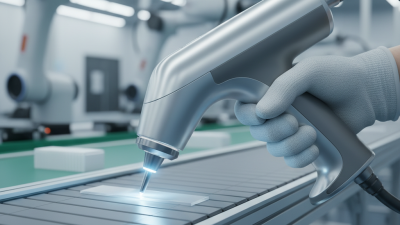
The Ultrasonic Welder works by converting electrical energy into mechanical vibrations. These vibrations create localized heat at the weld interface, resulting in strong bonds without compromising the materials. This method is particularly advantageous for applications involving delicate components. However, it's important to acknowledge some challenges, such as the need for precise alignment and careful selection of materials.
Despite its advantages, the Ultrasonic Welder isn’t without limitations. Variability in material properties can lead to inconsistent weld quality. Thus, ongoing research and development are essential for optimizing this technology. The journey of perfecting ultrasonic welding continues, promising even greater advancements in the near future.
Definition of Ultrasonic Welding and Its Applications
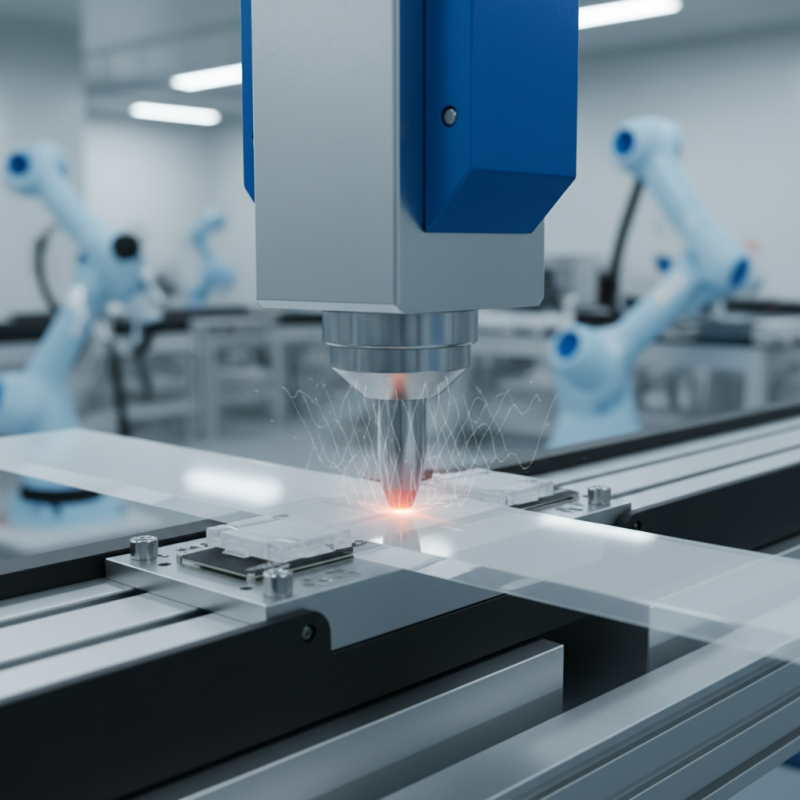
Ultrasonic welding is a process used to join materials through high-frequency sound waves. It is especially effective in welding thermoplastics and metals. The technique relies on the rapid generation of heat when ultrasonic vibrations are applied to the materials. This heat facilitates the fusion of the surfaces, creating a strong bond. According to recent industry reports, ultrasonic welding has seen a growth rate of approximately 7% annually due to its efficiency and versatility.
Applications of ultrasonic welding span various sectors. In the medical industry, it is used for creating components of surgical devices. Automotive manufacturers utilize ultrasonic welding for assembling components, reducing weight and enhancing structural integrity. The electronics industry benefits from this technique in the production of connectors and housings. Data indicates that over 50% of electronic devices now incorporate parts made with ultrasonic welding.
Tips: Always consider the specific materials before choosing ultrasonic welding. Not all materials bond equally well using this method. Testing in controlled environments can save time and resources. Additionally, proper calibration of equipment is crucial for successful outcomes. Regular maintenance can prevent common failure points, ensuring consistency in production.
Principles of Ultrasonic Welding Technology
Ultrasonic welding technology relies on high-frequency sound waves to join materials, typically plastics or metals. The process generates localized heat through the vibration of ultrasonic energy. This heat softens the plastic, creating a solid bond as the materials cool. Reports suggest that this method can provide high-strength joints while minimizing thermal damage. In industries like automotive and electronics, ultrasonic welding plays a crucial role due to its speed and efficiency.
An interesting aspect involves the frequency of the ultrasonic waves. Commonly used ranges are between 20 kHz to 40 kHz. The choice of frequency affects the weld strength and processing time. A frequency that is too low may result in insufficient bonding, while one that is too high can lead to excessive heat generation. This delicate balance raises questions about optimizing conditions for different materials.
Data from industry studies show that ultrasonic welding can reduce cycle times by up to 50% compared to traditional methods. However, it requires skilled operators to monitor parameters closely. Inconsistent settings can lead to defective welds, which complicates production workflows. The technology continues to evolve, but challenges remain in standardization across diverse manufacturing environments.
Components of an Ultrasonic Welder
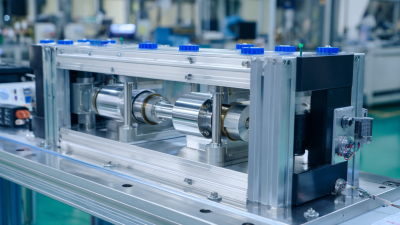
Ultrasonic welders are essential tools in various manufacturing processes. They utilize high-frequency vibrations to join materials together without the need for additional adhesives. The core components of an ultrasonic welder include a transducer, booster, sonotrode, and a fixture. Each plays a crucial role in how effectively the machine operates.
The transducer converts electrical energy into mechanical energy. This process generates ultrasonic waves that produce heat at the joint interface. The booster amplifies this amplitude before it reaches the sonotrode, which makes contact with the materials. Effective design and material choices in these components directly affect welding efficiency. Reports indicate that the right transducer can increase welding energy output by up to 30%. Fixtures must be precisely engineered to ensure consistent pressure, impacting weld quality.
However, inconsistencies in component fabrication can lead to challenges. Variations in sonotrode design may inadvertently degrade weld strength. In some cases, adjustments are needed to fine-tune energy output. Understanding these components is vital for optimizing performance. Regular maintenance and testing can prevent potential failures. These insights reveal the importance of quality in ultrasonic welding technologies.
The Ultrasonic Welding Process Step-by-Step
Ultrasonic welding is a fascinating process that uses high-frequency sound waves to join materials. It involves several key steps to ensure a strong bond. The first step is to prepare the materials. They must be clean and properly aligned to avoid contamination.
Once the materials are ready, the ultrasonic welder applies high-frequency vibrations. These vibrations are transmitted through a sonotrode, which focuses the energy on the joint area. The heat generated melts the materials, creating a strong interface. Timeliness is crucial here; if the vibrations last too long, it could lead to excessive melting or damage.
After achieving the desired bond, the energy stops, and pressure is maintained for a brief period. This cooling phase solidifies the connection. However, it is essential to monitor the process closely. A minor error in timing or alignment can lead to weak joints. Practicing the technique is vital for improving outcomes. Each weld can reveal insights into what works and what doesn’t, highlighting the importance of continuous learning in ultrasonic welding.
Advantages and Limitations of Ultrasonic Welding
Ultrasonic welding is a unique process used in various industries. It utilizes high-frequency sound waves to create heat. This heat melts materials and forms strong bonds. The technique is popular for joining thermoplastics. It produces minimal waste, which is a significant advantage.
However, ultrasonic welding has limitations. It requires precise alignment of parts. If misaligned, the weld may fail. The process also depends on the materials used. Not all materials are suitable for ultrasonic welding. Additionally, it may not be effective for very thick materials. This necessitates careful consideration of project requirements.
Despite these drawbacks, ultrasonic welding remains a reliable choice for specific applications. Its speed and efficiency often outweigh the limitations. Awareness of these factors can enhance decision-making for manufacturers. Exploring alternatives is crucial when assessing specific project needs.