What is an Ultrasonic Welder For Sale and How Does It Work?
Ultrasonic welding stands out as an innovative technique in modern manufacturing. An Ultrasonic Welder For Sale can revolutionize various industries. This technology uses high-frequency sound waves to create strong bonds between materials. It excels in joining plastics and metals, ensuring durability and precision.
The appeal of ultrasonic welding lies in its efficiency. It requires minimal energy and can be automated for high production rates. Quality control is easier, as the process can be monitored in real time, reducing waste. However, potential buyers should reflect on their specific needs. Not every application may benefit from ultrasonic welding.
Investing in an Ultrasonic Welder For Sale demands an understanding of the technology. Buyers should weigh the long-term benefits against the initial investment. Detailed research is crucial to find the right model. Choosing the right welder can impact productivity and product quality significantly.
What is an Ultrasonic Welder?
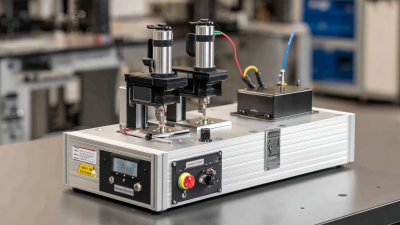
An ultrasonic welder is a tool used for joining materials through high-frequency vibrations. It typically employs ultrasonic waves to create localized heat, which melts the surfaces of the materials. This process is efficient and effective for thermoplastics, metals, and even thin films.
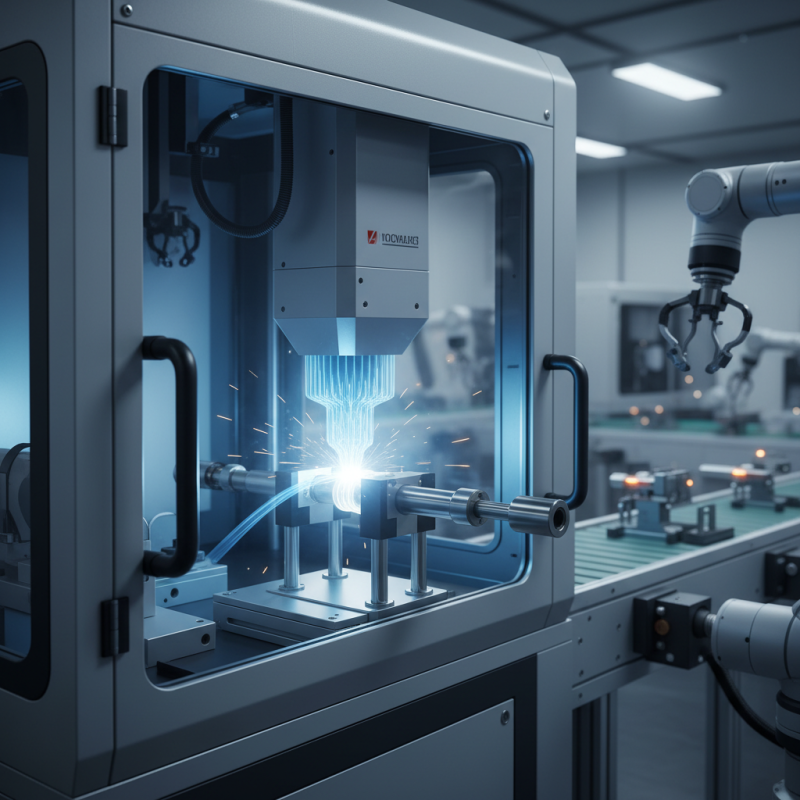
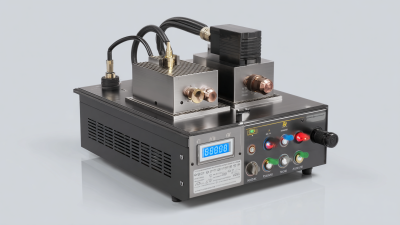
The welder consists of a generator, converter, and sonotrode. The generator emits electrical energy, which the converter transforms into mechanical vibrations. These vibrations are then amplified by the sonotrode before being directed to the materials being joined. The intense pressure and heat create a strong bond between them without the need for additional adhesives or fasteners.
However, not every application will yield perfect results. Factors such as pressure, material compatibility, and thickness influence the welding quality. Regular maintenance is also crucial; a worn or damaged sonotrode can affect performance. Users must continually evaluate their processes for improvements. Understanding these details aids in maximizing the efficiency of an ultrasonic welder and achieving reliable results in applications.
Key Components of Ultrasonic Welding Machines
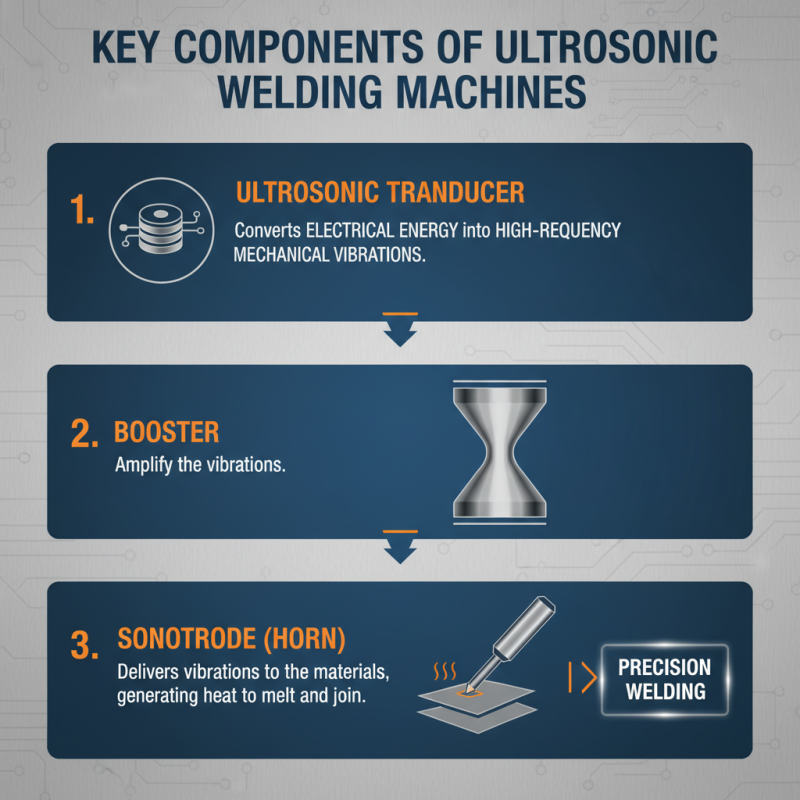
Ultrasonic welding machines are designed for precise and efficient joining of materials. Key components include the ultrasonic transducer, booster, and sonotrode. The transducer converts electrical energy into high-frequency mechanical vibrations. This step is crucial for generating sufficient heat to melt the materials at the welding joint.
The booster amplifies these vibrations, enhancing the intensity. This component determines the amplitude levels necessary for specific materials. The sonotrode, or welding horn, focuses the ultrasonic energy onto the workpieces. It is essential to choose the right sonotrode shape and material for effective welding.
Tips for users: Regularly inspect the transducer for signs of wear. A worn transducer can lead to ineffective welds. Keep your machine clean to avoid interference with ultrasonic waves. Over time, buildup can affect performance. Adapting your parameters according to the materials is necessary. Not all materials weld in the same way, and even a slight change can impact results.
How Ultrasonic Welding Works: The Process Explained
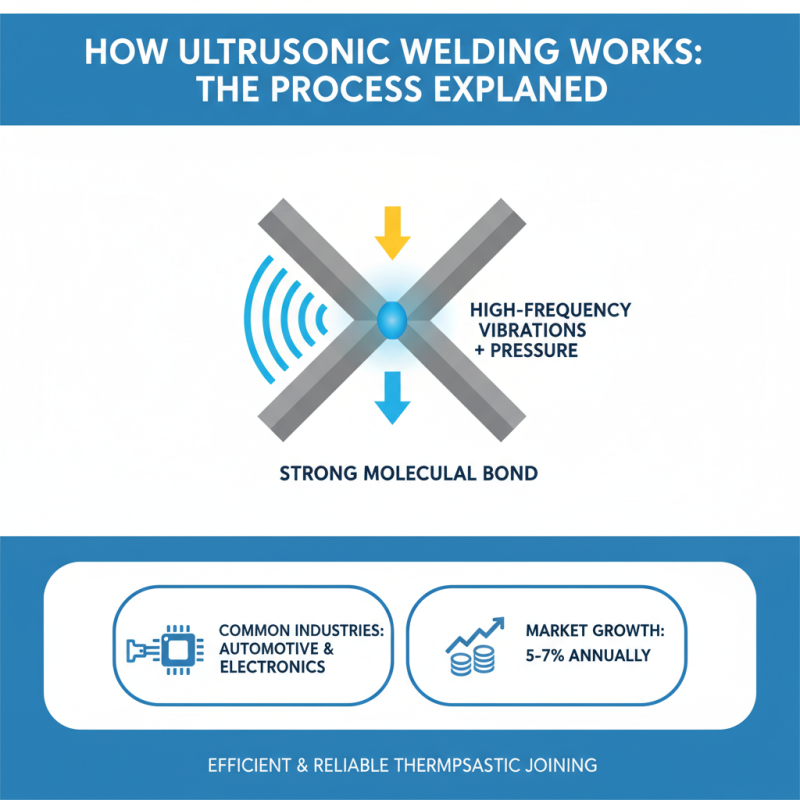
Ultrasonic welding is a highly efficient process used in various industries. It combines high-frequency vibrations with pressure to create a strong bond between thermoplastics. This technique is particularly popular in automotive manufacturing and electronics. In recent years, the ultrasonic welding market has seen a growth rate of around 5–7% annually, according to industry reports.
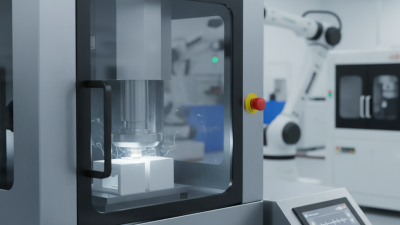
In the ultrasonic welding process, two plastic parts are held together under pressure. An ultrasonic generator creates high-frequency sound waves. These waves travel through the plastic parts, generating heat through friction. The materials melt at the interface and bond together as they cool. This method provides a clean and precise way to join materials while minimizing waste.
Tips: Ensure that your ultrasonic welder is properly calibrated. A mismatch in frequency can lead to ineffective welding. Regular maintenance is crucial, as worn-out parts can affect performance. Always consider material compatibility when selecting components to weld. This choice can significantly impact the quality of the weld. Investing in training for operators can also reduce the risk of human error and improve efficiency.
Challenges may arise, such as inconsistent weld quality or equipment failure. These issues can stem from variations in material properties, operator experience, or improper machine setup. Continuous monitoring and adjustment during the welding process can help mitigate these problems.
Applications of Ultrasonic Welding in Various Industries
Ultrasonic welding is widely used across various industries due to its efficiency and precision. In automotive manufacturing, this method helps connect plastic components without adhesives. It ensures strong joints while maintaining tight tolerances. In the medical field, ultrasonic welding is essential for producing devices that are sensitive to contamination. This technique creates clean, sealed connections, ensuring patient safety.
Electronics industries benefit from ultrasonic welding by joining delicate wires and connectors. The process helps reduce thermal impact, preventing damage to sensitive components. As more companies seek to improve their production efficiency, the demand for ultrasonic welders will likely increase.
Tips: Always test the welds in your production line. Regular checks can prevent failures. Training staff on ultrasonic welding techniques ensures consistency and quality. Consider the materials used. They can significantly influence the welding effectiveness. Each process may need fine-tuning to achieve the best results.
Applications of Ultrasonic Welding in Various Industries
Factors to Consider When Buying an Ultrasonic Welder for Sale
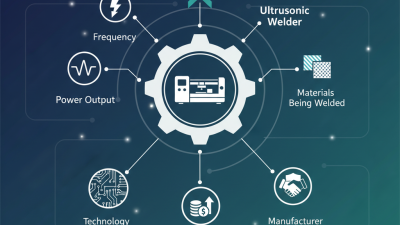
When considering the purchase of an ultrasonic welder, several factors should be taken into account. One key aspect is the power output. A higher power can improve the welding speed and quality. It's essential to assess the material types you plan to work with. Different materials, like thermoplastics or metals, may require specific settings to achieve optimal results.
Another important consideration is the frequency of the ultrasonic welder. Common frequencies include 20 kHz and 40 kHz. Lower frequencies can weld thicker materials better. Conversely, higher frequencies may be useful for finer applications. Pay attention to the machine's build quality as well. It should be durable yet easy to maintain.
Finally, take a close look at the customer support and warranty offered. Reliable support can save time and reduce costs in the long term. Make sure to gather feedback from existing users. This can provide valuable insights into the machine's performance and any potential issues. Reflecting on these factors can help ensure that you make an informed decision.