Top 10 Benefits of Using Electric Ultrasonic Welder?
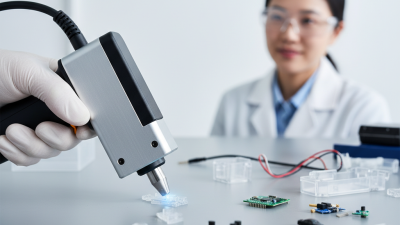
In the rapidly evolving world of manufacturing, the Electric Ultrasonic Welder stands out for its unique capabilities. James Carter, a leading expert in ultrasonic technology, emphasizes, "The precision and efficiency of electric ultrasonic welding redefine modern production." This technology offers significant advantages over traditional methods, making it essential for industry players to understand its benefits.
One of the most notable benefits is the reduction of cycle times. Electric Ultrasonic Welders can join materials quickly, often in seconds. This speed enhances productivity but also demands careful monitoring for quality control. Users must remain vigilant, as the precision sometimes leads to over-automation.
Furthermore, using electric ultrasonic welding reduces the need for additional materials. This not only cuts costs but also minimizes waste. Yet, companies should reflect on how this affects their overall process and product integrity. Investing in Electric Ultrasonic Welders can be a wise choice, but firms must evaluate their specific needs and potential challenges.
Advantages of Electric Ultrasonic Welding in Industrial Applications
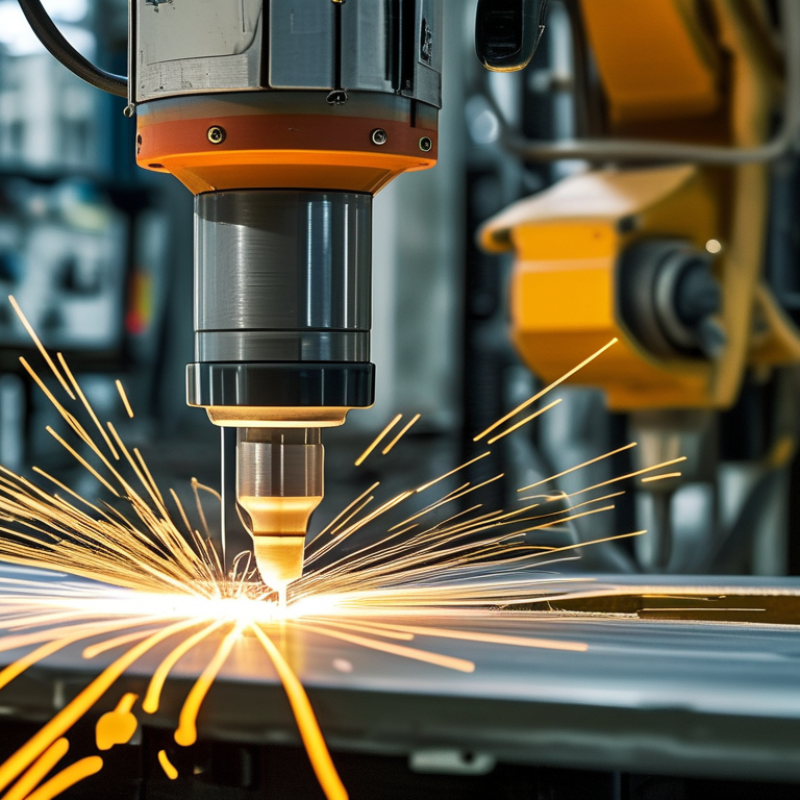
Electric ultrasonic welding offers numerous advantages for industrial applications. One significant benefit is its speed. According to the International Journal of Advanced Manufacturing Technology, ultrasonic welding can produce strong joints in mere seconds. This rapid processing time enhances productivity and reduces labor costs. Industries relying on efficient production methods greatly appreciate this feature.
Another critical advantage is the precision of ultrasonic welding. This technique uses high-frequency vibrations to join materials without relying on additional adhesives or fasteners. As noted in the Journal of Materials Processing Technology, this method leads to minimal thermal distortion of components. It ensures a consistent quality of welded joints, which is essential in industries like aerospace and automotive.
However, while ultrasonic welding is beneficial, it isn't without challenges. Some materials may not weld well together, requiring careful material selection. Additionally, the initial investment in ultrasonic welding equipment can be high. Companies must weigh the long-term benefits against the initial costs. Despite these hurdles, the benefits often outweigh the drawbacks, making ultrasonic welding a popular choice in modern manufacturing.
Top 10 Benefits of Using Electric Ultrasonic Welder
Enhanced Precision and Control in Seam Joining Techniques
Electric ultrasonic welders have transformed seam joining techniques by offering enhanced precision and control. These modern devices use high-frequency vibrations to generate heat at the welding interface. As a result, they create strong, durable seams with minimal material distortion. The ability to control parameters like amplitude and pressure allows operators to achieve consistent weld quality across different materials.
Precision is crucial in many industries, from automotive to aerospace. Minor inaccuracies can lead to product failures or safety issues. Electric ultrasonic welders minimize these risks by providing tight tolerances in seam formation. Regular practice with this technology helps technicians develop a keen sense of control, which is vital in high-stakes applications. However, operators must also be mindful of the learning curve associated with mastering these machines. It takes time to adjust settings for various materials and thicknesses, which can initially lead to imperfect joins.
Moreover, achieving optimal results requires constant testing and adjustment. Not all materials respond the same way to ultrasonic welding, and this variability can lead to challenges. Professionals often find themselves refining their techniques through trial and error. While the advantages are significant, the path to mastering electric ultrasonic welding is not without its bumps. Acknowledging this journey of improvement is essential for anyone seeking to harness the full potential of this technology.
Top 10 Benefits of Using Electric Ultrasonic Welder
| Benefit |
Description |
| Enhanced Precision |
Electric ultrasonic welders deliver accurate and consistent welds, minimizing imperfections. |
| Improved Control |
Operators have better control over welding parameters, leading to superior quality. |
| Speed |
The ultrasonic process allows for faster welding cycles compared to traditional methods. |
| Energy Efficiency |
Uses less energy, making it a cost-effective solution for manufacturers. |
| Versatility |
Can be used on various materials including plastics, metals, and textiles. |
| Reduced Material Waste |
The precision of ultrasonic welding reduces excess material used in the process. |
| Low Heat Generation |
Minimizes thermal damage to sensitive components during welding. |
| Automatable |
Easily integrated into automated systems for high-volume production. |
| Enhanced Safety |
Low risk of burns or fire hazards compared to traditional welding methods. |
| Consistent Quality |
Ensures consistent weld quality across different production runs. |
Reduction in Energy Consumption Compared to Traditional Welding Methods
Electric ultrasonic welding has revolutionized the manufacturing landscape, particularly in energy consumption. Traditional welding methods can consume significantly more resources. Reports indicate that ultrasonic welding can reduce energy consumption by up to 85% compared to conventional techniques. This is crucial for industries aiming to minimize operational costs while enhancing productivity.
Despite the efficiency of ultrasonic welding, some challenges exist. For instance, initial equipment costs can be high. Organizations must consider long-term savings versus upfront investments. However, once operational, ultrasonic welders typically consume less energy. This leads to lower utility bills and a smaller environmental footprint.
For companies looking to optimize their welding processes, monitoring energy usage can yield valuable insights. Creating benchmarks can help track improvements over time. Regular maintenance of equipment boosts efficiency. Ensuring that ultrasonic welders are in good working condition will further enhance their energy-saving capabilities. Exploring alternative energy sources could also complement traditional methods, pushing for greater sustainability in manufacturing practices.
Improved Material Compatibility and Reduced Risk of Contamination
Electric ultrasonic welding offers significant advantages in material compatibility. This technology generates high-frequency vibrations that cause materials to heat up and bond quickly. This process reduces the chances of contamination, which can be common with traditional welding methods. As a result, more materials can be joined together without introducing unwanted particulates or contamination.
For instance, the use of ultrasonic welders in medical or food packaging industries has drastically minimized the risk of cross-contamination. This is crucial for maintaining hygiene and safety standards. The speed of the ultrasonic process means that less time is spent in production, which can enhance overall efficiency. However, it is essential to consider that not all materials are suitable for ultrasonic welding. Some may present challenges, requiring careful evaluation.
Ultimately, the improved material compatibility of electric ultrasonic welders heralds a new era in manufacturing. It supports innovation by allowing manufacturers to explore new combinations of materials. A deeper understanding of material properties is vital. Without this, one might face issues during the welding process. This reflects the need for ongoing research and development in this field to ensure optimal results.
Increased Production Efficiency and Faster Cycle Times in Manufacturing
The adoption of electric ultrasonic welders in manufacturing processes is transforming production efficiency.
These tools create strong bonds quickly through high-frequency vibration and pressure.
Studies indicate that companies using ultrasonic welding can reduce cycle times by as much as 50%.
This reduction significantly enhances throughput, allowing manufacturers to meet growing market demands swiftly.
A report by industry analysts shows that electric ultrasonic welding can achieve weld times as brief as 0.1 seconds.
In contrast, traditional welding methods often require several seconds or even minutes.
Such efficiency directly translates to increased production capacity.
However, manufacturers must consider the upfront investment.
While electric ultrasonic welders can seem expensive, the long-term savings on labor and material costs are significant.
Additionally, the precision of ultrasonic welds minimizes material wastage.
However, the reliance on technology creates a learning curve for operators.
Training staff on proper techniques is essential for maximizing the welding quality.
Neglecting this could lead to errors and costly downtime, highlighting the importance of integrating technology with skilled labor.
Embracing electric ultrasonic welding must balance innovation with effective human resources.