Best Gray Ultrasonic Welder for Efficient Manufacturing Solutions?
In today's fast-paced manufacturing landscape, efficiency is key. The Gray Ultrasonic Welder stands out as a powerful tool for various industries. It offers precision and speed, significantly improving production processes. Many companies have turned to this technology for its reliable performance.
Understanding the capabilities of the Gray Ultrasonic Welder is crucial. It utilizes high-frequency sound waves to join materials, ensuring strong bonds without damaging delicate parts. However, not all operations have fully harnessed its potential. Some manufacturers may lack the expertise to optimize its use. Training and experience play a vital role in achieving the best results.
Innovations in ultrasonic welding continue to evolve. Staying updated on the latest advancements can be challenging. It is essential for manufacturers to regularly evaluate their practices. This will help them gain a competitive edge. While the Gray Ultrasonic Welder shows promise, companies must reflect on their approaches to fully realize its benefits. Embracing continuous improvement is the path to successful implementation.

Overview of Ultrasonic Welding Technology and Its Applications
Ultrasonic welding technology has transformed manufacturing across various industries. This process uses high-frequency sound waves to create strong bonds between materials. It efficiently joins thermoplastics and metals without the need for additional adhesives. The applications are diverse, ranging from automotive components to medical devices. Industries benefit from the speed and precision that ultrasonic welding offers.
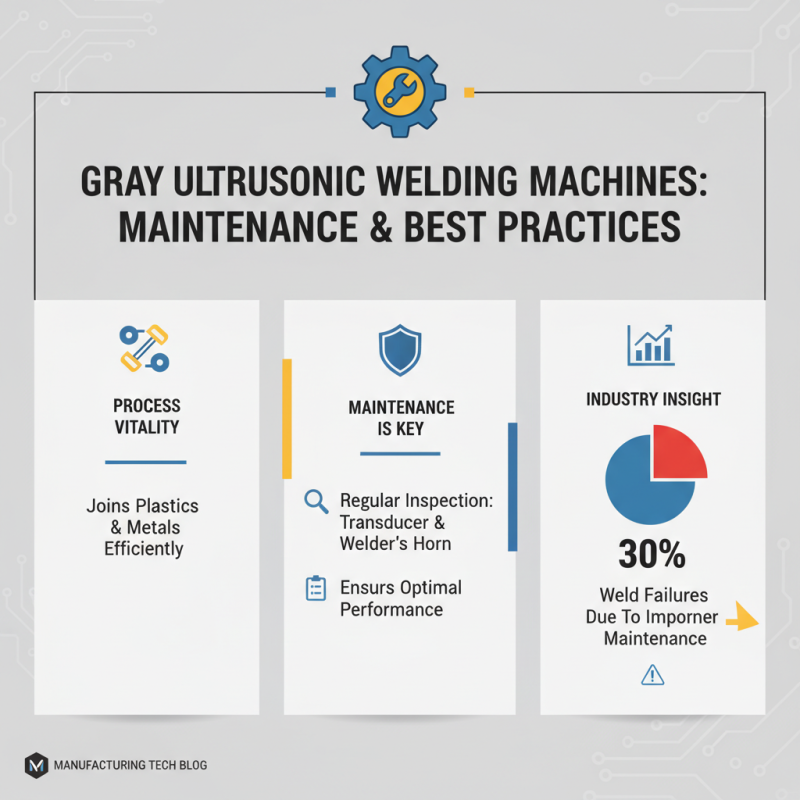
When implementing ultrasonic welding, choosing the right equipment is crucial. The right ultrasonic welder can significantly impact production efficiency. Operators should look for machines that provide consistent performance and reliability. It is essential to have regular maintenance checks to prevent unexpected breakdowns. Subpar welds can lead to product failures, which can be costly.
Tips for success include thorough training for operators. Understanding the nuances of the equipment can improve overall outcomes. Testing different parameters, such as time and pressure, helps optimize weld quality. Even minor adjustments can make a big difference. Regular feedback loops within the production team can also enhance processes over time. Creating a culture of continuous improvement is vital in the fast-evolving manufacturing landscape.
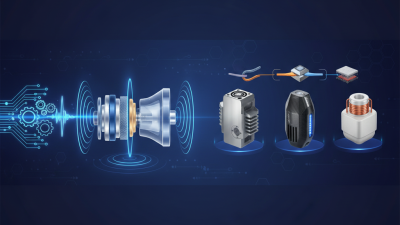
Ultrasonic Welding Technology Applications
Key Features to Consider When Selecting a Gray Ultrasonic Welder
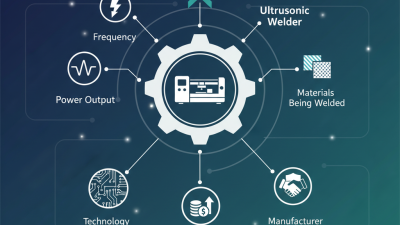
When selecting a gray ultrasonic welder, several key features are crucial for effective manufacturing.
Power output is essential. It determines the welding speed and bond strength.
A typical high-performance welder operates between 1000 to 5000 watts.
This range often leads to efficient bonding, especially in industries like automotive and electronics, where precision is key.
Another important aspect is frequency. Most ultrasonic welders work within a frequency range of
20 kHz to 40 kHz. This variation affects the types of materials that can be processed.
For example, higher frequencies are better for thinner materials.
It is essential to match the frequency to the specific application.
Consider the ease of use as well.
Complex controls can lead to operator errors. Simpler interfaces improve consistency in production.
Reports from the industry suggest that a user-friendly design can reduce training time by up to
30%. However, some operators might face challenges with calibration,
which can affect overall productivity. Addressing these issues can be key to maximizing machine uptime.
It is essential to weigh these factors carefully before making a decision.
Top Brands and Models of Gray Ultrasonic Welders in the Market
When considering the landscape of gray ultrasonic welders, it's essential to evaluate the top brands and models available. These machines are crucial for industries focused on efficient manufacturing. Their ability to fuse plastic components seamlessly can significantly enhance production efficiency. Some models are designed specifically for high-volume operations, while others cater to specialized applications, showcasing versatility.
However, not all ultrasonic welders are created equal. Some may face issues with material compatibility or require frequent maintenance. Buyers often report inconsistencies in performance, especially with varying environmental conditions. It's important to consider these factors when selecting a model.
Innovation in ultrasonic welding technology continues to advance. Many brands are incorporating smart features that allow for real-time monitoring and adjustments. This adds an extra layer of reliability in manufacturing processes. Still, it is vital to conduct thorough research and read user reviews. A well-informed decision can mean the difference between struggling with frequent repairs and achieving optimal production rates.
Comparative Analysis of Gray Ultrasonic Welders for Manufacturing Efficiency
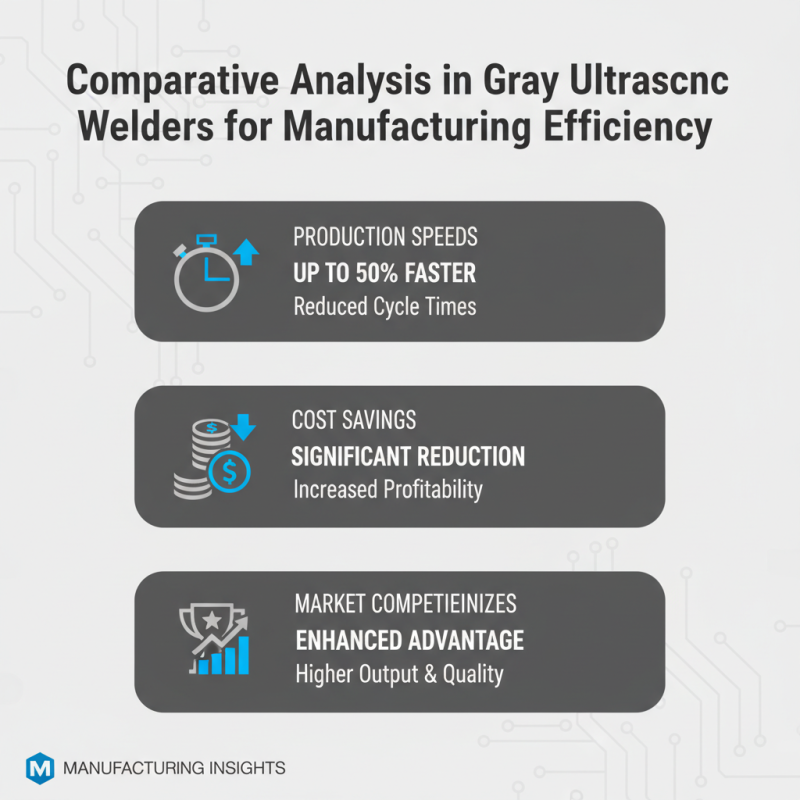
When analyzing gray ultrasonic welders, efficiency is a primary concern for manufacturers. Recent industry reports indicate that ultrasonic welding can enhance production speeds by up to 50%. This significant improvement can lead to reduced cycle times and cost savings. Efficiency in manufacturing contributes directly to competitiveness in the market.
However, not all ultrasonic welders perform equally. A comparative study revealed variances in power output, frequency stability, and durability. Some models showed a 30% failure rate on critical components, leading to downtime. This raises questions about reliability, an essential factor for efficient operations.
Manufacturers must weigh the benefits of speed versus the cost of potential malfunctions. Choosing the right model can be daunting. Balancing operational efficiency with long-term reliability is vital. Decision-makers should analyze performance data closely while considering maintenance requirements and service support. Understanding these nuances can result in better investment and operational outcomes.