Why Choose a Green Ultrasonic Welder for Your Next Project?
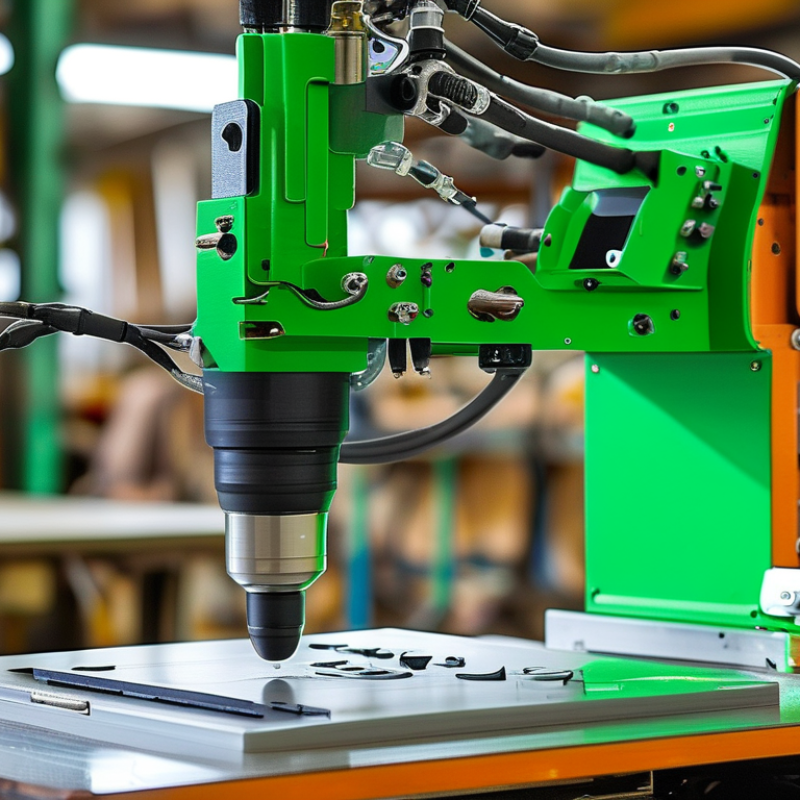
In the evolving world of manufacturing, sustainability is crucial. A Green Ultrasonic Welder stands out as a game-changing technology. This innovative equipment uses ultrasonic waves to join materials without harmful adhesives or high energy consumption.
Many industries are seeking eco-friendly solutions. The Green Ultrasonic Welder not only minimizes environmental impact but also enhances efficiency. The welder's precision reduces material waste, a challenging aspect for many manufacturers. Still, adopting this technology may require a learning curve. Companies could encounter initial resistance or uncertainties regarding its effectiveness.
It's essential to weigh these factors when considering a Green Ultrasonic Welder for your next project. The advantages are clear, but the journey toward implementation can be complex. Embracing this technology reflects a commitment to sustainability and progress in manufacturing practices.
Understanding Ultrasonic Welding and its Advantages
Ultrasonic welding is a highly efficient method that uses high-frequency sound waves to join materials, primarily plastics and metals. This technology enables the creation of strong, durable welds with minimal energy consumption. Studies indicate that ultrasonic welding reduces energy use by up to 80% compared to traditional methods. This significant efficiency comes with the added benefit of a cleaner process, as it avoids the need for adhesives or harmful solvents.
The advantages extend beyond energy savings. Ultrasonic welding provides precise control over the welding process, ensuring consistent quality across production runs. According to industry reports, defects in welded products can drop to less than 1% with ultrasonic technology. This reliability is crucial in sectors like automotive and healthcare, where safety and durability are paramount. However, it’s essential to recognize that not all materials can be effectively welded using this method. Each application requires careful consideration to optimize results.
While many manufacturers appreciate the efficiency of green ultrasonic welding, some still face challenges. The initial investment can be high, and training staff to use the technology effectively can also be a hurdle. Furthermore, not every project will benefit from ultrasonic welding, highlighting the need for ongoing evaluation and adaptation of processes. It’s essential for companies to weigh the long-term benefits against potential short-term challenges.
Key Features of Green Ultrasonic Welders
Green ultrasonic welders offer distinct advantages in various industries. Their eco-friendly design reduces energy consumption and waste generation. This innovation aligns with the growing demand for sustainable manufacturing practices. Users find that these welders can operate efficiently while minimizing their environmental footprint.
Key features of green ultrasonic welders include advanced energy management systems. These systems enhance efficiency and ensure that energy is used judiciously. Many devices also come with adjustable settings to cater to specific materials and applications. This flexibility can significantly improve the quality of the welds achieved.
Despite these advantages, challenges exist. The initial investment in green technology may be higher. Some users may hesitate to transition from traditional methods. However, the long-term benefits often outweigh these concerns. Investing in a green ultrasonic welder can create a more sustainable future for manufacturing.
Environmental Benefits of Choosing Green Technology
Choosing a green ultrasonic welder can significantly reduce your environmental footprint. Traditional welding methods often generate harmful emissions and waste. In contrast, ultrasonic welding uses high-frequency vibrations, which result in cleaner operations. This method minimizes pollution and enhances energy efficiency.
Moreover, green technology promotes sustainability. These welders consume less energy, reducing overall power needs. They often use recyclable materials, minimizing waste. Investing in such technology reflects a commitment to eco-friendly practices.
However, it is crucial to acknowledge the initial costs. Some may hesitate to adopt this technology due to financial concerns. Long-term savings, though, can outweigh these concerns. Finding the right balance between cost and environmental impact demands careful thought. Ultimately, the choice to go green is an investment in the future.
Cost-Efficiency and Performance of Green Ultrasonic Welders
Green ultrasonic welders are gaining traction due to their cost-efficiency. According to a recent industry report by the International Society of Automation, companies adopting these machines can save up to 30% on energy costs. The technology reduces waste, making it a sustainable option for manufacturers. This aligns with the growing demand for environmentally friendly solutions across various industries.
Performance is another crucial aspect of green ultrasonic welders. Data from the American Welding Society shows that they deliver superior bond quality compared to traditional methods. The precision of ultrasonic technology facilitates less heat generation, minimizing the risk of material damage. However, some challenges remain. The initial investment for high-efficiency models can be significant, and not all facilities are equipped for proper maintenance. Potential buyers must weigh these factors carefully.
Implementing green welding techniques indicates a commitment to sustainability. However, transitioning may require worker retraining and process adjustments. A well-planned implementation can yield impressive returns. Monitoring system performance continuously is essential for optimizing operations. This helps ensure the welders function at peak efficiency while assessing overall cost savings.
Cost-Efficiency and Performance of Green Ultrasonic Welders
Applications of Green Ultrasonic Welding in Various Industries
Green ultrasonic welding has found a prominent place in various industries, from automotive to medical sectors. This technology uses high-frequency sound waves to create strong bonds between materials without the need for additional adhesives or solvents. According to a report by the Global Market Insights, the ultrasonic welding market is projected to grow at a CAGR of 9.1% through 2026. This growth highlights an increasing shift toward sustainable manufacturing practices.
In automotive manufacturing, green ultrasonic welding is particularly beneficial. It ensures high precision in part assembly while minimizing waste. The technology is increasingly used for joining plastics, which are prevalent in modern vehicles. The International Energy Agency notes that adopting such methods can reduce carbon emissions by up to 30% in the automotive sector alone.
Tips for implementing green ultrasonic welding include assessing material compatibility and equipment efficiency. Materials must be tested thoroughly to ensure optimal bonding without compromising structural integrity. Regular maintenance of ultrasonic machines is crucial to prevent inefficiencies. Adopting a careful approach will help exploit the full benefits of this technology. With the right practices, manufacturers can significantly improve their sustainability goals while enhancing production efficiency.