How to Choose the Best Electric Ultrasonic Welder for Your Needs?
Choosing the right Electric Ultrasonic Welder is crucial for various applications, from medical device manufacturing to automotive industries. Recent reports indicate that the ultrasonic welding market is expected to grow by 8% annually, highlighting the increasing demand for efficient joining technologies. Selecting the appropriate welder can significantly affect production quality and cost-effectiveness.
When evaluating options, it’s essential to consider your specific needs. Not all Electric Ultrasonic Welders are created equal. Some machines excel in certain materials but may struggle with others. Understanding the types of materials you will be working with is vital. Many users overlook this, leading to unsatisfactory results and wasted resources.
Additionally, durability and power output should be assessed. High-performance welders typically offer better reliability. However, high costs do not always guarantee superior performance. It's important to read reviews and gather insights from experienced users. This helps to identify models that truly meet industry standards and user expectations. Balancing performance with budget constraints requires careful analysis and reflection.
Understanding the Basics of Electric Ultrasonic Welders
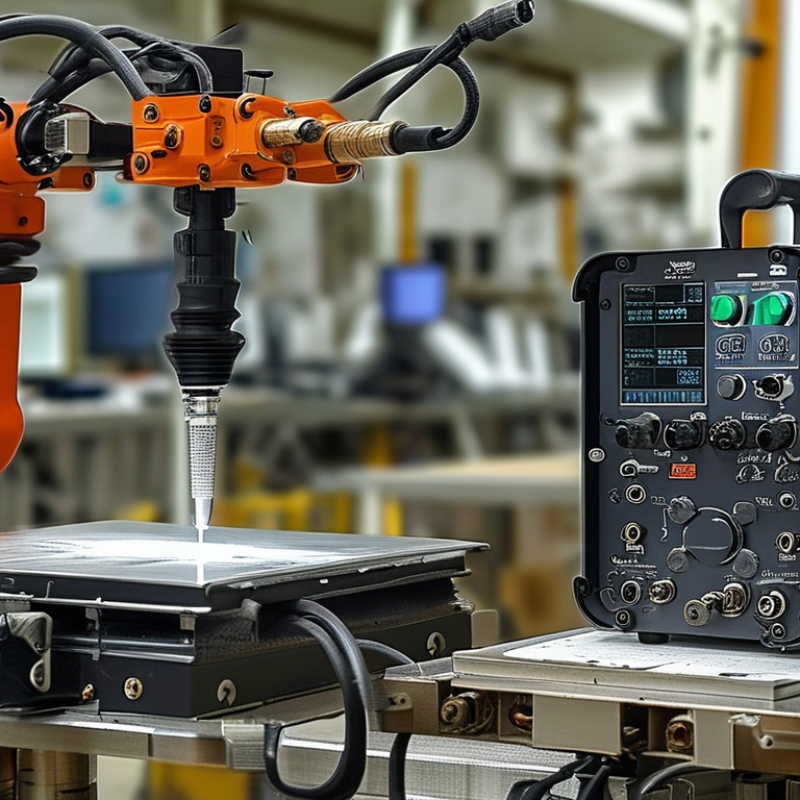
Electric ultrasonic welders are valuable tools in many industries. They work by using high-frequency vibrations to join materials like plastics and metals without additional adhesives. Understanding the fundamentals of these machines is crucial for selecting the right one for your needs.
When choosing a welder, consider the materials you plan to use. Different machines have unique specifications regarding temperature and pressure settings. It's important to ensure that the welder can handle the materials' melting points and thicknesses. One might overlook the significance of detailed technical specifications, yet this knowledge can significantly impact the quality of the weld.
Maintaining an ultrasonic welder is also a key factor. Regularly check the sonotrode and other components for wear and tear. A worn part may lead to inconsistent results. Pay attention to the frequency and power settings during operation, as they can influence the weld's strength and integrity. Taking time to adjust these settings may prevent future issues and save costs.
Lastly, acknowledge that not every weld will be perfect. Imperfections can arise from various factors such as operator skill or material inconsistencies. Reflecting on each welding project aids in improving techniques. Taking the time for self-assessment can lead to mastering the craft.
Key Features to Consider When Choosing an Ultrasonic Welder
When selecting an electric ultrasonic welder, understanding key features is crucial. Look at frequency range, which typically spans from 20 kHz to 70 kHz. A higher frequency offers finer welding capabilities, ideal for delicate materials. Meanwhile, lower frequencies are better suited for thicker materials. Reports indicate that about 70% of users find the correct frequency impacts their welding results significantly.
Another essential factor is power output. Most ultrasonic welders provide between 100 to 3000 watts. Higher wattage often correlates with faster welding times and improved efficiency. According to industry surveys, efficiency can increase by up to 50% when using the right power settings for the application. However, keep in mind that too much power can damage sensitive materials.
Here are some practical considerations. Always assess the type of materials you work with. Consider whether your projects require plastics, metals, or composites. Evaluating these needs can clarify which machine specifications are essential for your workflow. Flexibility in options allows for various applications, making it a versatile choice for many manufacturers. Lastly, don't overlook the importance of user support and training from the manufacturer, which can greatly impact operational proficiency.
Ultrasonic Welder Key Features Comparison
Assessing Your Specific Welding Needs and Applications
When selecting an electric ultrasonic welder, understanding your specific welding needs is crucial. Assess the materials you plan to weld. Are they thin plastics, metals, or composites? Each material may require different techniques and frequencies. Take time to estimate the thickness of the materials. Thinner materials may need lower power settings, while thicker ones could demand more intensive input.
Consider your production goals as well. Are you performing small-scale projects or high-volume manufacturing? A machine suited for high output may have advanced features but could be more complex and costly.
Evaluate your experience level as well. Beginners may benefit from simpler models while professionals often seek versatile machines with customizable settings.
For better decision-making, do extensive research. Read user reviews and check expert recommendations. Engage in forums or communities related to welding technologies.
Try to gather information from multiple sources. This will enhance your understanding and provide practical insights into the machines you consider. Don't ignore potential limitations of each model. Every welder has its strengths and weaknesses, which can impact your work.
Comparing Different Brands and Models of Ultrasonic Welders
When selecting an electric ultrasonic welder, it's crucial to compare various brands and models. Market research indicates a growing interest in ultrasonic welding technology, driven by its efficiency and versatility. Reports show that ultrasonic welders enhance production speed by approximately 40%, making them attractive for high-volume applications.
Different brands offer unique features. Some models excel in lightweight designs, improving portability. Others might focus on durability and robust performance. According to industry analysis, durability impacts long-term costs significantly. A less durable welder may incur higher maintenance expenses, which should be factored into your decision.
Understanding the specific application is vital. If working with delicate materials, a model with adjustable power may be necessary. Some ultrasonic welders perform well on various materials, while others specialize. The right welder enhances quality and consistency, leading to fewer defects. Balancing features with your specific needs is essential for an effective purchase.
Budgeting for Your Electric Ultrasonic Welder Purchase
Budgeting for an electric ultrasonic welder requires careful consideration. Start by determining the features you need. Basic models may fit simple tasks, while advanced units can handle diverse projects. Assess the frequency of use as well. If you plan to use it daily, consider investing more in a durable machine.
Analyze your overall budget. Balance between quality and cost is essential. Cheaper models can save you money, but they may lack the reliability required for critical applications. Research average prices in your area. This helps in setting realistic expectations. Don’t overlook maintenance costs, which can add up.
Reflect on potential long-term savings. Investing in a high-quality welder might seem expensive upfront, but it could result in fewer repairs and replacements over time. Think about how the right machine can improve efficiency and quality. A solid choice now can yield better results and reduce frustration in the future.