Top 10 Ultrasonic Card Slab Welder Buying Tips for Global Buyers?
When considering the purchase of an Ultrasonic Card Slab Welder, there are essential factors to keep in mind. Many buyers overlook important features that can significantly impact performance and efficiency. Understanding these aspects can ensure a wise investment.
Investing in an Ultrasonic Card Slab Welder requires careful thought. You might feel overwhelmed by the options available. Various models come with distinct specifications and technologies. Evaluating their reputations is crucial. Reliable brands often provide better after-sales support.
Researching user reviews can also provide valuable insights. Look for trends indicating consistent issues or exceptional performance. Sometimes, a machine may seem appealing but lacks durability. Don't just rely on flashy marketing. Gather information from genuine experiences to make a sound choice.
Understanding Ultrasonic Card Slab Welders: A Brief Overview
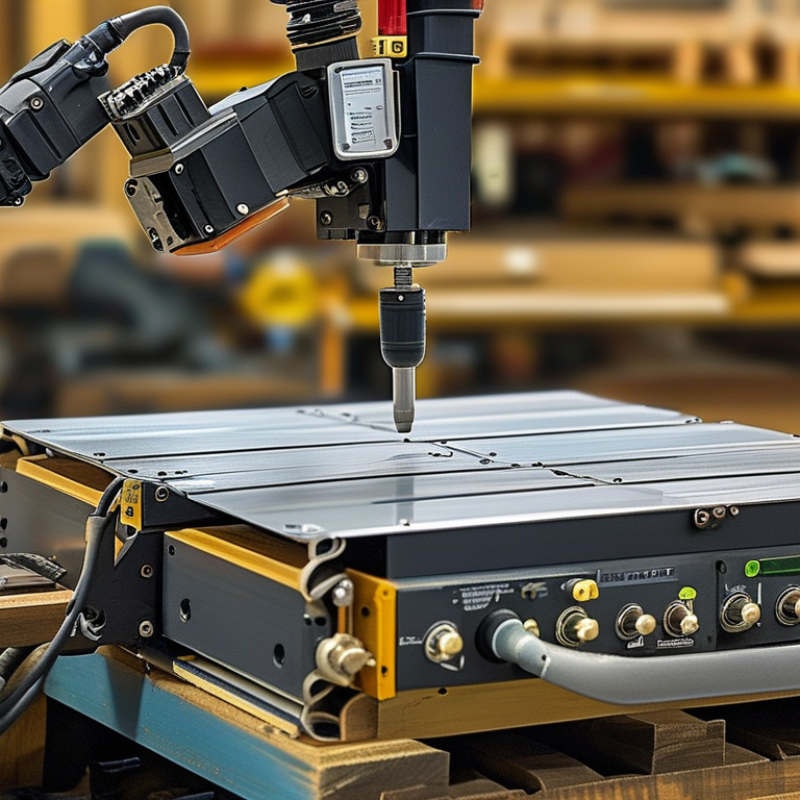
Ultrasonic card slab welders are specialized machines used in various industries. They employ high-frequency sound waves to join materials securely. This method is efficient and can be applied to diverse substrates, including plastics and metals. The precision of ultrasonic welding reduces the risk of damage to components, making it a preferred choice for manufacturers.
Understanding these welders is crucial for making informed decisions. They come with different specifications, such as power output and frequency. Each feature impacts the welder's effectiveness for specific applications. Adjusting settings to match the material is essential for optimal results.
Many buyers overlook the importance of technical support and maintenance. A reliable supplier provides not just the machine, but ongoing assistance. It can lead to improved productivity and reduced downtime. Evaluating the quality of customer service can greatly influence your purchase experience. This reflection is vital for long-term satisfaction and performance.
Top 10 Ultrasonic Card Slab Welder Buying Tips for Global Buyers
| Tip |
Description |
Considerations |
| 1. Identify Your Needs |
Determine the specific applications for which you will use the ultrasonic welder. |
Material type, thickness, and joint design need consideration. |
| 2. Evaluate Power Output |
Power output affects the welding speed and quality. |
Higher power may be required for thicker materials. |
| 3. Consider Frequency |
Ultrasonic welders operate at different frequencies, usually between 20 kHz and 70 kHz. |
Select frequency based on the material type and desired weld characteristics. |
| 4. Look for Automation Features |
Automated systems can enhance efficiency and consistency. |
Evaluate compatibility with existing production lines. |
| 5. Assess the Control System |
The control system affects the ease of use and monitoring. |
Consider user interface and programmable options. |
| 6. Evaluate Maintenance Requirements |
Understand the maintenance needs for long-term operation. |
Check for the availability of replacement parts. |
| 7. Review Safety Features |
Ensure that the welder includes essential safety mechanisms. |
Consider features like emergency stops and protective guards. |
| 8. Compare Price vs. Quality |
Find a balance between budget and quality of the machine. |
Beware of very low-priced options that may compromise performance. |
| 9. Seek Recommendations |
Consult with industry peers or experts for insights. |
Use online forums or professional networks. |
| 10. Warranty and Support |
Check the warranty terms and customer support availability. |
Consider suppliers that offer good after-sales service. |
Key Features to Consider When Choosing an Ultrasonic Card Slab Welder
When selecting an ultrasonic card slab welder, several key features should guide your decision. The first consideration is frequency. Most welders operate at frequencies between 20 kHz and 70 kHz. Higher frequencies allow for finer welds, while lower frequencies are ideal for thicker materials. It's vital to choose a frequency that matches your specific application needs to ensure precision and efficiency.
Another important aspect is the power output. Power ratings typically range from 500 watts to several kilowatts. Higher wattages provide better results for larger components but may also lead to increased energy costs. Evaluating the balance between power and energy efficiency can be crucial for long-term operational success.
Tip 1: Check compatibility with your materials. Some welders work best with specific plastics or composites. This ensures you get the desired weld quality without unnecessary trial and error.
Tip 2: Consider the welder’s ease of use. User-friendly interfaces and adjustable settings can enhance productivity. An intuitive design minimizes learning curves, allowing your team to maximize efficiency quickly.
Tip 3: Don’t overlook the importance of maintenance requirements. Regular maintenance can aid in avoiding costly downtime. Simplified maintenance procedures can save time and improve reliability.
In summary, focus on these features to choose the right ultrasonic card slab welder. Remember, investing time in research now can lead to better outcomes in your projects.
Evaluating the Cost vs. Benefit of Ultrasonic Card Slab Welders
When considering the purchase of an ultrasonic card slab welder, it's essential to evaluate the cost versus its benefits carefully. Many buyers often struggle with understanding if the investment aligns with their production needs. High initial costs can be daunting. However, these machines often reduce labor costs and enhance production speed significantly. Over time, they may yield higher returns by improving product quality and minimizing wastage.
One important tip is to analyze your production volume. If your output is high, the welder may pay off quickly. Examine the machine's energy consumption, too. A model with lower energy use can lead to significant savings over time. Don't overlook training costs; investing in proper training for your operators ensures optimal use of the equipment.
Another critical aspect is maintenance costs. Regular maintenance can prevent costly repairs. Plan for these expenses in your budget. Additionally, consider the availability of spare parts and support services. These factors contribute to the long-term reliability of your investment. A welder may seem affordable upfront, but hidden costs can accumulate. Careful consideration will help in making an informed choice.
Top Brands and Manufacturers in the Ultrasonic Card Slab Welder Market
When considering the top brands in the ultrasonic card slab welder market, it's crucial to understand what differentiates these manufacturers. Reliable brands focus on performance and durability. They invest in advanced technology to enhance welding precision. A well-known fact is that effective welders significantly improve production efficiency. This gives businesses a competitive edge.
Quality control is another area where reputable manufacturers shine. They implement rigorous testing protocols to ensure every unit meets high standards. Clients often appreciate how some brands offer extensive warranties. This shows confidence in their product's longevity.
Yet, it’s essential for buyers to conduct thorough research. Product reviews can sometimes be misleading or overly positive. Not all features marketed will suit every production need. Reflecting on your specific requirements is vital. Consider how often the equipment will be used and the scale of production. This reflection can help in choosing the right brand.
Top 10 Ultrasonic Card Slab Welder Features Comparison
Tips for Maintenance and Longevity of Ultrasonic Card Slab Welders
Maintaining ultrasonic card slab welders is crucial for their longevity and optimal performance. Regular inspection is key. Users should check components like transducers and boosters. Studies indicate that improper maintenance can reduce operational efficiency by up to 30%. Keeping records of usage and maintenance history ensures proactive addressing of issues.
Cleanliness plays a significant role in enhancing the lifespan of these machines. Dirt and debris can cause wear and tear, leading to costly repairs. A 2022 report highlighted that almost 20% of machinery failures are due to neglect in cleaning. Operators should establish a routine cleaning schedule. Utilizing appropriate cleaning agents will also help in maintaining performance.
Calibration is another essential aspect. Regularly calibrating the welders ensures precise operation. Misalignment can result in weld defects, adding unnecessary costs. Familiarizing oneself with the machine's manual is advised. While many may overlook these details, they significantly impact both efficiency and cost savings over time.