Best Ultrasonic Welder For Wire Buying Guide and Tips?
When it comes to bonding various materials, choosing the right ultrasonic welder is crucial. An "Ultrasonic Welder For Wire" can dramatically enhance manufacturing processes. These tools utilize high-frequency vibrations to create strong and durable welds efficiently. Understanding the features that differentiate one model from another is vital for effective application.
Many buyers struggle with the decision-making process. The market offers a staggering range of options, each promising exceptional performance. It's easy to feel overwhelmed. Considerations such as frequency, power output, and design should guide your selection. Not every product suits every application, which can lead to unsatisfactory results if not carefully chosen.
While users typically turn to professional advice, personal experience is invaluable. Reading reviews can provide insights but may also lead to bias. You may find that the best ultrasonic welder for your needs isn’t the most expensive. Reflection is essential; what works for others may not necessarily work for you. Always weigh the features against your specific needs for the best outcome.
Understanding Ultrasonic Welding Technology and Its Applications
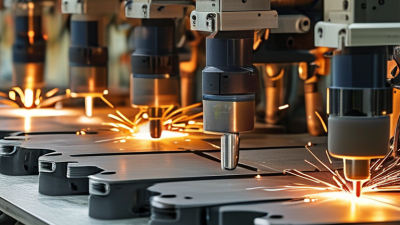
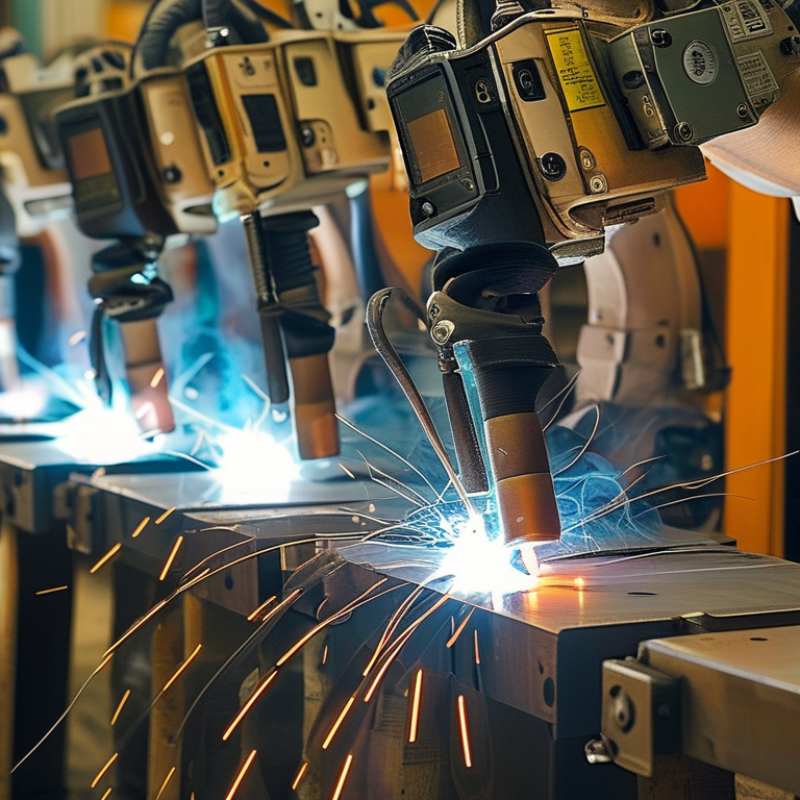
Ultrasonic welding technology has transformed various industries by providing efficient and precise methods for joining materials. This technique utilizes high-frequency ultrasonic vibrations to create localized heat at the interface of the materials. As a result, particles soften and bond together without the need for additional adhesives or fasteners. This process is especially useful in electronics, automotive, and medical device manufacturing, where strong and reliable joints are essential.
One significant advantage of ultrasonic welding is its speed. It can produce welds in just seconds, making it ideal for high-volume production environments. However, it also requires careful consideration of parameters like amplitude, pressure, and time to ensure optimal results. A mismatch can lead to poor weld quality, which is a painful learning experience for engineers. Continuous monitoring of these parameters is necessary for maintaining standards. Despite the apparent ease of use, many operators find that achieving consistent quality demands a deep understanding of materials and process dynamics.
The applications of ultrasonic welding are diverse. It efficiently joins different thermoplastics and thin metals, giving manufacturers flexibility in design. Yet, not all materials are suitable for this method. Some plastics may not bond well, leading to unexpected failures. This unpredictability emphasizes the importance of testing and refining techniques. Investing time in understanding material properties and weld characteristics is crucial for success in this technology-driven industry.
Key Features to Consider When Choosing an Ultrasonic Welder
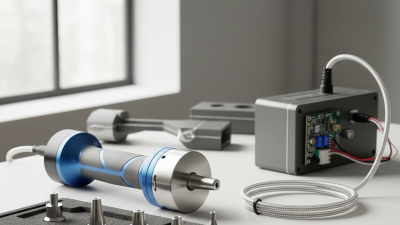
When selecting an ultrasonic welder for wire applications, several key features should be prioritized to ensure efficient operation. One important factor is the frequency of the welder. Typically, ultrasonic welders operate between 20 kHz and 40 kHz. Higher frequencies produce finer welds, while lower frequencies are suitable for thicker materials. The choice depends on the specific materials being welded and the required strength.
Another crucial aspect is the power output. Models with adjustable power settings allow users to optimize performance based on the materials' unique characteristics. Research indicates that optimal power settings can increase weld strength by up to 30%. Additionally, consider the welder's transducer efficiency. A transducer that converts electrical energy to ultrasonic energy effectively can enhance welding quality and reduce operational failures.
Lastly, user-friendliness should not be overlooked. Even the most advanced systems require user know-how. Machines that are difficult to operate or calibrate can lead to inconsistent welds and increased downtime. Manufacturers often report that about 15% of welding issues stem from user error. A machine that combines advanced technology with intuitive operation can significantly improve productivity and reliability in wire welding processes.
Top Brands and Models of Ultrasonic Welders for Wire
When choosing an ultrasonic welder for wire applications, various brands and models stand out due to their performance and reliability. Look for welders that provide customizable settings. This feature allows operators to adjust power levels and time cycles according to material specifications. The ability to fine-tune these parameters is crucial for achieving optimal weld quality.
Some models are known for their easy maintenance and user-friendly interfaces. A welder that is straightforward to operate can increase productivity, especially in busy environments. Additionally, consider welders that have a solid construction. Durability is a vital attribute; a robust design ensures long-term use and minimizes repair costs.
While many options exist, not all welders are perfect. Some may lack advanced features essential for specific tasks. It's wise to read reviews and user feedback to identify potential shortcomings. This information can guide your decision and help you reflect on the importance of investing in quality. Ultimately, selecting the right ultrasonic welder can significantly impact your operations.
Best Ultrasonic Welder For Wire Buying Guide and Tips
| Model |
Power (Watts) |
Frequency (kHz) |
Weight (lbs) |
Features |
| Model A |
500 |
20 |
30 |
Digital Display, Auto Shut-off |
| Model B |
600 |
28 |
28 |
Adjustable Amplitude, Quick Setup |
| Model C |
750 |
30 |
32 |
High Efficiency, Compact Design |
| Model D |
800 |
40 |
35 |
User-Friendly Interface, Safety Alarms |
Maintenance Tips for Ensuring Optimal Ultrasonic Welder Performance
Proper maintenance of ultrasonic welders is crucial for optimal performance. Regular cleaning is essential. Dust and debris can accumulate and interfere with the welding process. Ensure that the ultrasonic stack is free of contaminants. This helps maintain the equipment's efficiency. Check the ultrasonic generator’s settings periodically. Incorrect settings can lead to inconsistent welds.
Monitoring the cooling system is often overlooked. Overheating can damage components significantly. It’s vital to inspect coolant levels and ensure proper circulation. If the welder isn’t working as expected, pause to investigate. Sometimes, a small adjustment can solve issues. Additionally, periodic inspections can identify wear and tear early on.
Keep a log of maintenance activities. Documenting these can help spot recurring issues. This is a reflective practice that aids future troubleshooting. Ensuring the ultrasonic welder is in peak condition can prevent costly delays. Users often underestimate the value of proactive care. A clear understanding of maintenance needs fosters longer equipment life and better results.
Ultrasonic Welder Performance Metrics
Safety Guidelines for Operating Ultrasonic Welders Effectively
Operating ultrasonic welders safely is crucial for ensuring a smooth workflow and preventing accidents. Always wear appropriate personal protective equipment (PPE), including goggles and gloves, to shield yourself from any potential hazards. These tools can emit high-frequency sounds, which may damage hearing over time. Regularly check that your equipment is in good working order to minimize risks.
Create a well-organized workspace that keeps materials and tools within easy reach. Clutter can lead to distractions and accidents. Consider conducting a safety briefing with your team before starting any project. Make sure everyone understands the operational guidelines for ultrasonic welders. This fosters a safer working environment and enhances teamwork.
Monitoring the welding process is key. Stay alert to changes in sound or vibration as this can indicate issues. Remember, mistakes can happen. Reflect on any near-misses or accidents to learn and improve. A commitment to safety not only protects individuals but also enhances overall productivity. Prioritize a culture of safety within your operations.