China Best Ultrasonic Wire Welder for Your Manufacturing Needs?
In the competitive world of manufacturing, the choice of equipment can greatly influence productivity and quality. The "Ultrasonic Wire Welder" has emerged as a game-changer for many industries. Dr. Emily Chen, a leading expert in ultrasonic technology, states, “Efficiency in welding can redefine production standards.”
This statement captures the essence of utilizing modern technology in manufacturing. Ultrasonic wire welding is known for its precision and speed. Manufacturers can achieve strong bonds with minimal thermal impact. The technology not only enhances product quality but also reduces energy consumption.
However, finding the best ultrasonic wire welder can be challenging. Different models offer varying features, and understanding these is crucial. It is essential for manufacturers to assess their specific needs. While advancements abound, not every product may suit every application. Careful consideration is necessary, as the wrong choice can lead to wasted resources and time.
Understanding Ultrasonic Wire Welding Technology
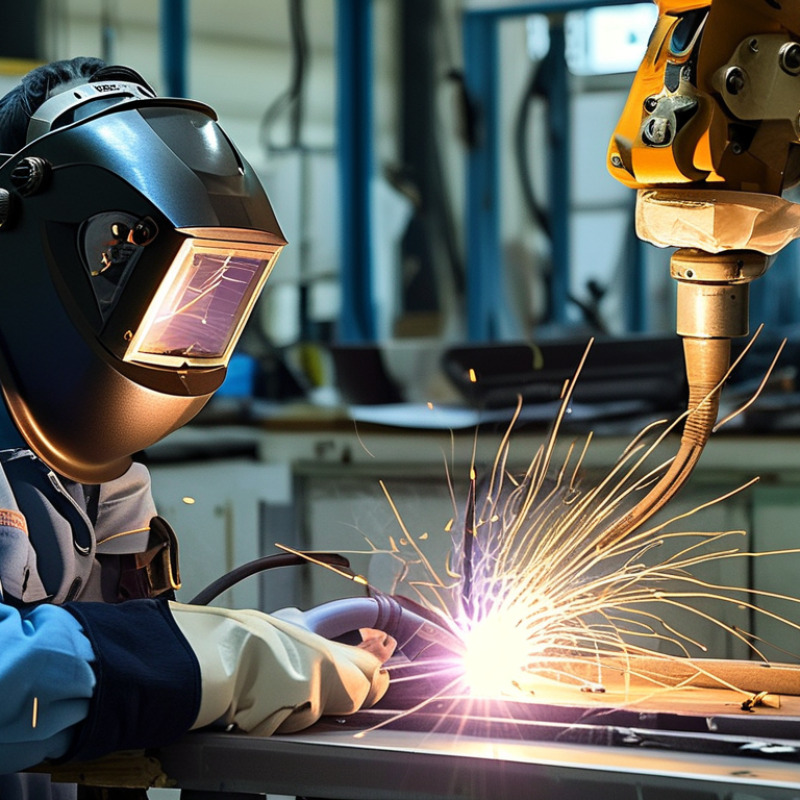
Ultrasonic wire welding is a revolutionary technology in manufacturing. It employs high-frequency ultrasonic vibrations to fuse materials together, creating strong and reliable joints. This method is particularly useful for wire connection in electronics and automotive industries. According to industry reports, ultrasonic welding can improve production speed by up to 50%. Moreover, it produces minimal thermal stress, which is critical for sensitive components.
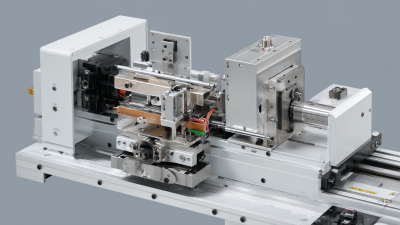
Understanding the mechanisms of this technology is essential. The ultrasonic process involves two key components: the ultrasonic generator and the sonotrode. The generator converts electrical energy into mechanical energy. The sonotrode amplifies this energy to create vibrations. These vibrations induce localized heating, melting the materials at the joint. The process occurs in a matter of seconds, providing a fast, repeatable solution.
When considering ultrasonic wire welding, manufacturers should evaluate a few critical factors. Material compatibility is crucial; not all materials weld well using this method. Additionally, varying parameters such as pressure and amplitude can affect joint quality. While this technology can lead to significant efficiencies, it also requires precise calibration. Overlooking these details can result in subpar welds and higher defect rates. Regular training and process audits can enhance operational effectiveness.
Key Features of Ultrasonic Wire Welders
Ultrasonic wire welders are essential tools in manufacturing. They provide a reliable solution for joining metal wires with precision. These welders utilize high-frequency vibrations to create localized heat. This heat leads to a strong and durable bond between wires, eliminating the need for soldering or traditional welding methods.
One of the key features of ultrasonic wire welders is their speed. They can perform welds in just milliseconds. This efficiency increases productivity in manufacturing environments. Additionally, the process is highly automated, minimizing human error. Another important detail is that these welders are capable of handling a variety of wire sizes and materials. This versatility allows manufacturers to adapt to different project requirements.
However, selecting the right ultrasonic wire welder requires careful consideration. Not all materials may achieve the desired results, and some adjustments may be necessary. It's also critical to maintain the equipment to ensure consistent performance. Understanding the specific needs of your manufacturing process is key to making an informed choice. Investing time in research can lead to better long-term solutions.
Top Manufacturers of Ultrasonic Wire Welders in China
In the realm of manufacturing, ultrasonic wire welders play a pivotal role. These machines are essential for producing durable and high-quality joints. In China, several top manufacturers lead the market, showcasing their expertise in ultrasonic technology. They provide various models tailored to different industry needs.
Manufacturers focus on efficiency and precision. The latest designs feature advanced ultrasonic generators and transducers. This enhances the welding process, ensuring strong connections. However, not all machines are created equal. Some may face challenges related to maintenance and user training. Companies must weigh these factors when selecting a welder.
The competition among Chinese manufacturers drives innovation. This creates an environment where continuous improvement is crucial. Yet, some manufacturers may prioritize cost over quality. This can lead to subpar equipment that may not meet the expected standards. Therefore, assessing a manufacturer’s reputation and customer feedback is vital. Doing thorough research can help ensure a reliable choice.
Factors to Consider When Choosing a Wire Welder
When selecting an ultrasonic wire welder, several crucial factors warrant your attention. A primary consideration is the welder's frequency range. Reports indicate that optimal frequency typically falls between 20 kHz to 70 kHz. This range enables efficient energy transfer, which leads to better weld quality. Insufficient frequency may result in weak connections that can compromise product integrity, while excessively high frequencies can make it challenging to weld thicker wires.
Another essential factor is the welder's power output. High-quality welders often provide variable power settings. This flexibility allows manufacturers to adapt the welding process to different wire diameters and materials. According to industry analyses, settings that exceed 1000 watts lead to more consistent welds, especially for robust applications. However, this power must be calibrated correctly. Too much power can lead to overheating, which might degrade the material properties or lead to failure.
The type of ultrasonic transducer used also affects performance. Leading reports suggest that piezoelectric transducers are favored due to their reliability and efficiency. However, while piezoelectric transducers are popular, they may not always provide the best energy transfer in every scenario. Users have noted the occasional need for adjustments, highlighting that consistent experimentation is vital to perfect the welding process. Ensuring a thorough understanding of these factors can significantly impact the effectiveness of your manufacturing operation.
Applications of Ultrasonic Wire Welding in Manufacturing
Ultrasonic wire welding has become a vital process in modern manufacturing. This technology offers precise joining for various materials. Common applications include automotive components, electronics, and even medical devices. Ultrasonic welding is efficient. It reduces the energy needed to bond wires compared to traditional methods.
The automotive industry heavily relies on ultrasonic wire welding. It connects thin wires in safety systems and entertainment units. This process ensures durability and reliability. In electronics, it bonds components like circuit boards with minimal damage. However, challenges exist in achieving the perfect weld. Factors like wire diameter and surface conditions can affect the outcome.
In medical manufacturing, ultrasonic welding aids in creating secure connections for devices. This ensures patient safety and device functionality. Despite the advantages, suppliers must consider the learning curve involved. Operators need proper training to master this technology. Understanding the intricacies is crucial for success in wire welding applications.
Ultrasonic Wire Welding Applications in Manufacturing