Top 10 Benefits of Green Ultrasonic Welder for Global Buyers?
In today's rapidly evolving manufacturing landscape, the demand for eco-friendly solutions is at an all-time high. The "Green Ultrasonic Welder" stands out as a vital tool for global buyers. According to a recent report by Industry Research Group, the ultrasonic welding market is projected to grow by 15% annually, driven by sustainable practices. This growth speaks volumes about the technology's impact on reducing waste and energy consumption.
Dr. Emily Thompson, a leading expert in green manufacturing technologies, emphasizes, “The Green Ultrasonic Welder not only enhances production efficiency but also aligns with environmental goals.” This technology uses ultrasonic waves to bond materials without the use of additional adhesives, thereby decreasing harmful emissions. However, despite its benefits, some manufacturers still hesitate to adopt this technology due to initial investment costs.
There are challenges in integrating new systems into existing workflows. The potential for improved output must be carefully weighed against these obstacles. Nevertheless, as sustainability becomes a priority, the Green Ultrasonic Welder is essential for industries aiming to innovate responsibly. This transformation is not just beneficial; it's necessary for a sustainable future.
Understanding Green Ultrasonic Welding Technology
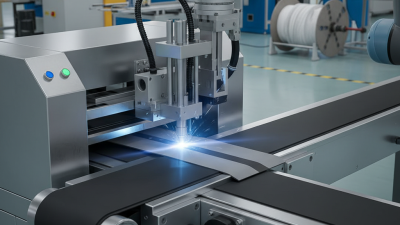
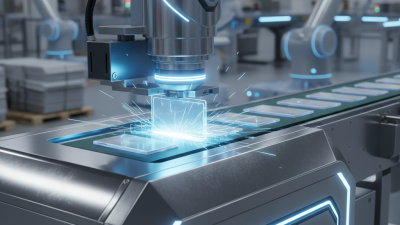
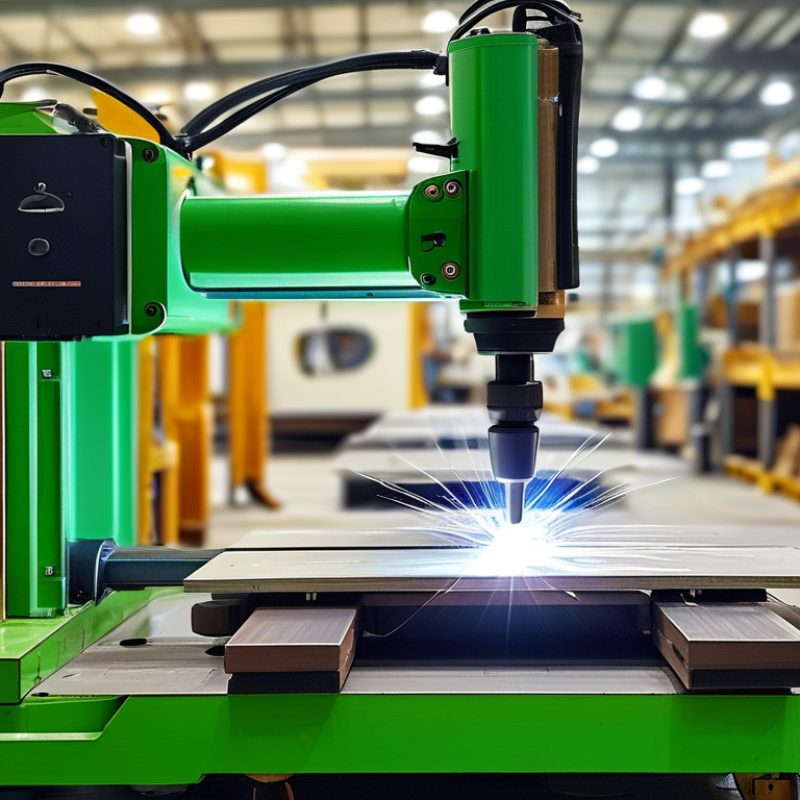
Green ultrasonic welding technology is transforming manufacturing by offering an eco-friendly method of joining materials. This process uses high-frequency ultrasonic vibrations to create heat and bond components without traditional adhesives or solvents. Manufacturers can reduce waste significantly, as the ultrasonic method often requires little to no additional materials.
The precision of green ultrasonic welding is noteworthy. It allows for intricate designs while maintaining strong and durable joints. This technology is particularly beneficial in industries like automotive and electronics, where efficiency and sustainability are crucial. It also reduces energy consumption during the welding process. Despite its advantages, some challenges persist. The initial investment in ultrasonic equipment can be high, and operators may need specialized training to ensure proper use.
Adopting this technology requires careful consideration. Companies must evaluate if their production needs align with the capabilities of green ultrasonic welding. Striking a balance between innovation and practicality is key. As the industry evolves, staying informed about advancements will help buyers make educated decisions. It is vital to remain open to new techniques and methodologies in manufacturing.
Environmental Benefits of Green Ultrasonic Welders
Green ultrasonic welders are revolutionizing the manufacturing landscape. They reduce energy consumption significantly compared to traditional welding methods. This efficiency translates into lower carbon emissions. Manufacturers leverage this technology to create eco-friendly products. As a result, the environmental footprint shrinks.
The materials used in green ultrasonic welding are often recyclable. This aligns with global sustainability goals. Fewer pollutants are released into the air and water during production. However, transitioning to these technologies can be challenging. Initial equipment costs may deter some companies. A shift in mindset is needed to prioritize long-term benefits over short-term investments.
Regular maintenance of ultrasonic welders is essential to ensure optimal performance. Companies must train staff adequately to harness the full potential of this technology. Despite challenges, the benefits are clear. Green ultrasonic welders promote a healthier planet while supporting innovative production methods. Embracing this technology can facilitate positive change in the manufacturing sector.
Cost Efficiency and Economic Advantages for Buyers
Green ultrasonic welders are becoming increasingly popular among global buyers. Their cost efficiency plays a critical role in the decision-making process. Research indicates that companies using green ultrasonic technology experience a significant decrease in production costs—up to 30% lower than traditional methods. This is primarily due to reduced energy consumption and lower maintenance requirements. In an industry where every penny counts, these savings are substantial.
Furthermore, green ultrasonic welders minimize waste generation. Traditional welding methods often result in excess scrap materials. However, ultrasonic welding uses precise energy application, leading to cleaner seams and less waste. A report from industry specialists found that companies adopting green welding technologies reported a 25% reduction in material waste.
This not only contributes to a healthier environment but also enhances profitability.
Despite these advantages, some companies hesitate to switch to green ultrasonic welders. Initial investment costs can be a barrier. Buyers may need to evaluate the long-term savings versus upfront expenses. Transitioning to new technology can also require employee training. However, the potential for better cost efficiency is undeniable. As the industry evolves, these challenges may lead to innovative solutions, driving further adoption.
Applications of Green Ultrasonic Welding Across Industries
Green ultrasonic welding has gained traction in various industries due to its eco-friendly nature and efficiency. In the automotive sector, manufacturers utilize this technology to join different materials while minimizing waste. The precision of ultrasonic welding ensures strong bonds, making it suitable for lightweight designs. This enhances fuel efficiency and performance in vehicles.
In the electronics industry, green ultrasonic welders contribute to the assembly of components without harming sensitive materials. This method reduces energy consumption and improves overall product quality. Many electronic devices now benefit from clean, reliable joints, which are critical for performance. However, it's important to consider the limitations, such as the need for skilled operators.
Tips: When choosing a green ultrasonic welder, assess the compatibility of the materials you plan to use. Also, evaluate the long-term benefits against initial costs. Continuous training for your staff can lead to better outcomes and reduce mistakes in the welding process, reinforcing the overall reliability of your production line. Adopting this technology can lead to innovative solutions across sectors, but proper implementation is key.
Future Trends in Green Ultrasonic Welding Innovations
The green ultrasonic welding sector is rapidly evolving. Innovations focus on energy efficiency and reduced environmental impact. According to recent industry reports, green ultrasonic welders can improve energy consumption by up to 40%. This significant reduction leads to lower carbon footprints for manufacturers.
Future trends include the integration of AI technology. Smart systems will optimize welding parameters in real-time. This advancement not only enhances product quality but also minimizes waste. The ability to adjust to various materials swiftly is crucial. As demand grows for sustainable manufacturing practices, the industry must adapt.
New materials are also emerging in this field. Biodegradable plastics and compostable composites are being used more frequently. However, these materials pose challenges in achieving strong welds. Addressing compatibility and performance remains essential. Engineers are reevaluating traditional methods to create effective solutions. Innovation in the ultrasonic welding process will continue to be vital for sustainability.