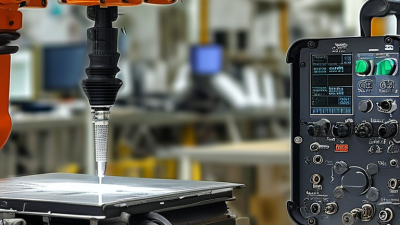
Top 10 Ultrasonic Battery Welder Benefits You Should Know
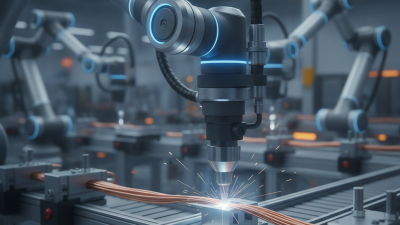
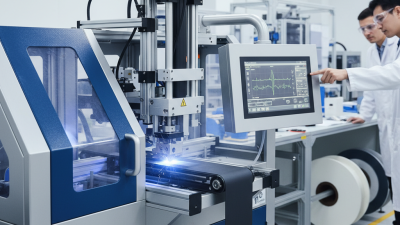
The advancement of battery technology has driven the rise of the Ultrasonic Battery Welder. This innovative tool has transformed the production process for batteries, particularly in electric vehicles. According to a recent market analysis by Grand View Research, the global ultrasonic welding market is expected to reach $2.6 billion by 2026, highlighting the industry's rapid growth.
Dr. Emily Chen, a noted expert in ultrasonic technology, states, “The efficiency and precision of Ultrasonic Battery Welders streamline the manufacturing process significantly.” Her insight emphasizes the importance of these welders in enhancing quality and reducing production times. Many manufacturers adopt ultrasonic welding for its lower heat transfer, ultimately ensuring battery integrity.
Despite their benefits, some challenges remain. Operators must be trained to utilize the technology effectively. Additionally, initial setup costs can be high. Yet, the long-term advantages often outweigh these factors. As industries push for sustainable solutions, Ultrasonic Battery Welders emerge as vital assets in the quest for efficiency and reliability.
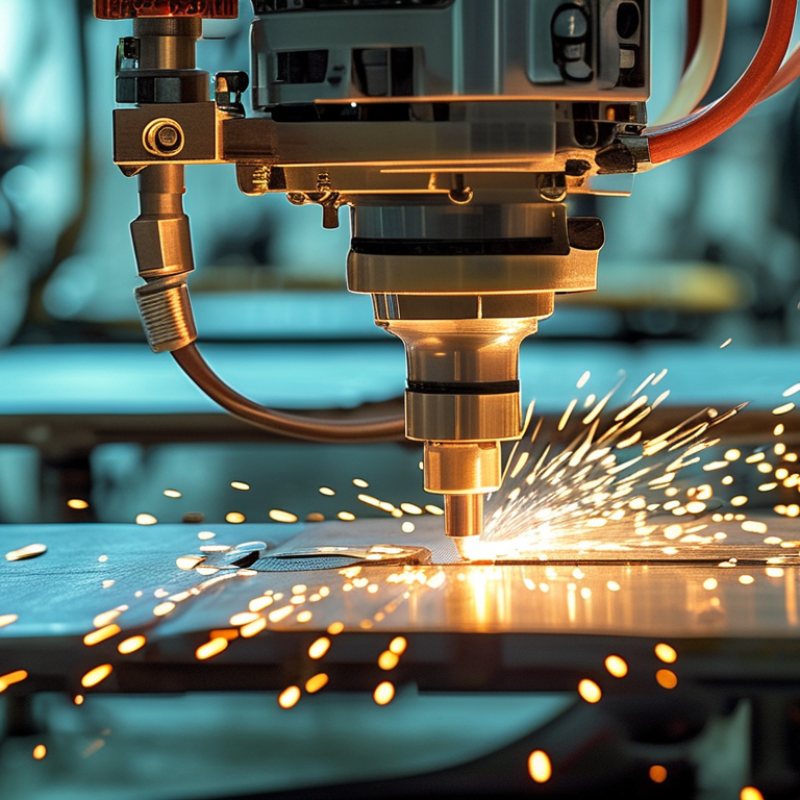
Top 10 Ultrasonic Battery Welder Benefits You Should Know
Ultrasonic battery welding has become an essential process in battery manufacturing. Understanding its benefits can greatly impact production efficiency. One key advantage is reduced cycle time. Ultrasonic welding can create strong joints in a matter of seconds, significantly speeding up assembly lines. According to industry reports, ultrasonic welding can improve production rates by up to 50%.
Another benefit lies in the precision of the process. Ultrasonic welders apply controlled energy to materials, ensuring minimal heat is used. This reduces the risk of damaging sensitive components. Studies indicate that using ultrasonic methods can enhance energy efficiency by nearly 30% compared to traditional techniques.
It is crucial to consider the learning curve associated with this technology. While the advantages are clear, operators may need training to utilize machines effectively. This transition phase could temporarily slow down production as teams adapt. Experimentation is also necessary to find the optimal settings for various materials.
Staying updated with industry advancements can aid in maximizing the benefits of ultrasonic welding. Keeping an eye on emerging technologies can help manufacturers stay competitive. Balancing the initial investment with long-term gains is also essential.
Enhanced Welding Quality: A Comparison of Ultrasonic Vs. Traditional Methods
Ultrasonic welding is revolutionizing the manufacturing industry. It offers enhanced welding quality compared to traditional methods. This technique creates a solid bond without requiring additional materials. According to industry reports, ultrasonic welding can achieve bond strengths exceeding 90% of the base material's strength. This is impressive compared to the 70-80% typical in conventional welding.
One substantial advantage lies in the precision of ultrasonic welding. The process uses high-frequency vibrations to create localized heat, achieving faster cycles with less distortion. Traditional welding often results in thermal fatigue and warping. Reports indicate that ultrasonic welds can be completed in mere seconds, contributing to higher productivity. In particular, the automotive sector benefits significantly from this speed and consistency. Quick cycles allow manufacturers to streamline operations.
For optimal results, operators should focus on machine calibration. Regular checks on amplitude and pressure can mitigate inconsistent welds. Maintaining equipment ensures the ultrasonics remain effective. Familiarity with material properties is crucial. Each material may respond differently to ultrasonic welding, influencing the bond's integrity. Operators must stay informed about advancements in ultrasonic technology to adapt technique effectively.
Comparison of Ultrasonic vs. Traditional Battery Welding Quality
Increased Production Efficiency: Time Savings in Battery Assembly Lines
Ultrasonic battery welding is revolutionizing battery assembly lines, and its advantages are hard to ignore. Time savings are a major benefit, as these welders operate much faster than traditional methods. This speed allows for quicker assembly times, which ultimately increases overall production efficiency. Laborers no longer waste precious minutes on prolonged welding tasks. Instead, they can focus on other critical aspects of production.
Additionally, ultrasonic technology improves the quality of welds. It reduces the chances of defects that can arise with older welding techniques. A higher consistency in weld strength leads to better reliability of batteries. However, transitioning to this technology requires careful consideration. Training staff to use new equipment can involve a learning curve. Some team members may face challenges in adapting to the new process, which can temporarily hinder production.
Despite these initial hurdles, the long-term gains can be substantial. The investment in ultrasonic welding technology pays off with enhanced speed and accuracy. It's crucial to weigh the benefits against potential disruption during the transition. Regular evaluation and feedback loops will help teams adjust and refine their workflow. This way, they can maximize the advantages of ultrasonic welding while minimizing any setbacks.
Cost-Effective Solutions: Reducing Material Waste in Battery Manufacturing
Ultrasonic battery welding is gaining traction in the industry, particularly for its cost-effective solutions. By minimizing material waste, manufacturers can significantly enhance efficiency. According to recent industry reports, traditional welding methods often produce up to 30% waste. In contrast, ultrasonic welding reduces this to around 5%. This drastic reduction not only cuts costs but also addresses environmental concerns.
The precision of ultrasonic welding plays a crucial role here. The technology uses high-frequency sound waves to join materials, ensuring a tighter bond with less energy. Studies indicate that this method can save manufacturers up to 25% on energy costs compared to conventional methods. This efficiency is vital as energy prices continue to rise in many regions. Even though the initial investment may seem high, the long-term savings in material and energy make ultrasonic welding a wise choice.
While benefits abound, some challenges exist. Training staff to use this advanced technology may take time. Additionally, the equipment requires regular maintenance to ensure optimal performance. Such considerations should not be overlooked. The transition to ultrasonic welding may present hurdles, but the benefits often outweigh the complexities involved.
Energy Consumption: How Ultrasonic Welders Optimize Resource Use
Ultrasonic welders are gaining traction due to their innovative capabilities in energy consumption. These machines convert electrical energy into high-frequency acoustic vibrations. The process is efficient, minimizing energy waste and optimizing resource use. According to recent reports, ultrasonic welding can reduce energy consumption by up to 50% when compared to traditional welding methods. This reduction leads to lower operational costs and can significantly enhance the overall efficiency of manufacturing processes.
Sustainability is increasingly important in today’s industry. Ultrasonic welding not only cuts down on energy costs but also minimizes the need for additional materials. The precision of the process leads to less scrap material, which is a critical factor for companies aiming to reduce their environmental footprint. In a world striving for greener solutions, this technology stands out.
To maximize savings, it's essential to ensure that the ultrasonic welder is properly calibrated. An improperly set machine can consume more energy than necessary, negating many of the efficiency benefits. Regular maintenance and operator training can also positively impact performance, resulting in energy savings and reduced operational expenses. Monitoring usage data allows businesses to make informed decisions about optimizing their production methods.
Conclusion
The article "Top 10 Ultrasonic Battery Welder Benefits You Should Know" outlines the significant advantages of utilizing an Ultrasonic Battery Welder in manufacturing processes. One of the key benefits highlighted is enhanced welding quality, where ultrasonic methods outperform traditional techniques, yielding stronger and more reliable joints. Additionally, the use of ultrasonic technology can significantly increase production efficiency, resulting in time savings on battery assembly lines.
Cost-effectiveness is another crucial advantage, as ultrasonic welding reduces material waste, contributing to more sustainable manufacturing practices. Furthermore, these welders optimize energy consumption, allowing manufacturers to use resources more efficiently. Lastly, safety improvements are achieved in battery welding processes, minimizing risks associated with traditional methods. Overall, the Ultrasonic Battery Welder presents a modern solution for enhancing the quality and efficiency of battery production.